

Why is a Submerged Spiral Classifier Preferred for Fine Particle Classification in Grinding Circuits
2026-03-31
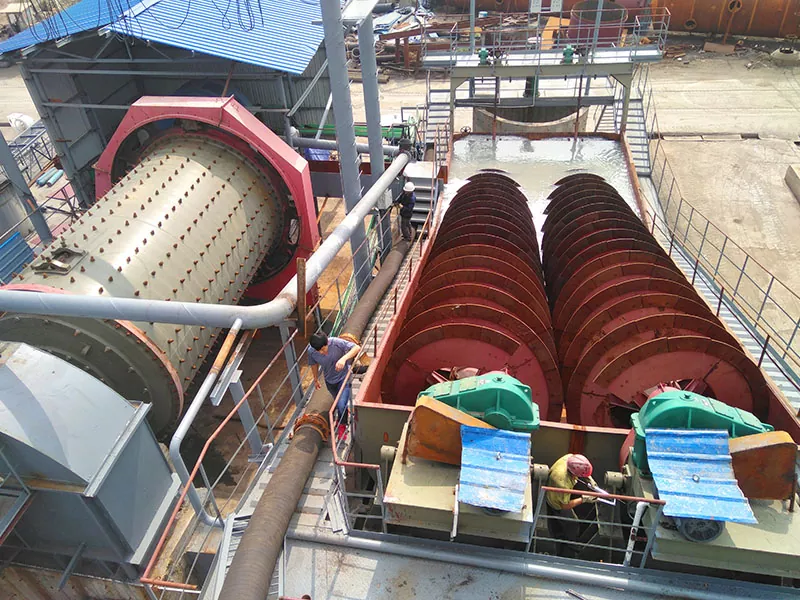
In mineral processing circuits, achieving precise fine particle separation is critical for downstream efficiency. The Submerged Spiral Classifier has become the industry standard for this task, offering superior control over cut sizes below 100 mesh. EPIC provides advanced submerged spiral classifiers engineered to optimize grinding circuit performance while reducing operational downtime.
Key Advantages in Grinding Circuits
The Submerged Spiral Classifier differs fundamentally from low-weir or rake classifiers. Its extended settling zone and submerged weir create a deeper pool, allowing finer particles to settle more predictably. Below are the core benefits:
| Parameter | Submerged Spiral Classifier | Conventional Classifier |
|---|---|---|
| Cut size range | 75–150 µm (typical for fine grinding) | 150–300 µm |
| Pool depth | High (submerged weir) | Low (surface weir) |
| Fine particle recovery | Excellent (low turbulence) | Moderate |
| Ideal for closed-circuit grinding | Yes | Limited |
Why Fine Particle Classification Favors Submerged Design
-
Extended Retention Time: The submerged configuration slows slurry flow, allowing fine particles to settle without being swept into the overflow prematurely.
-
Reduced Turbulence: A deeper pool dampens surging effects from mill discharge, improving classification sharpness.
-
Higher Spiral Speed Control: EPIC units feature variable speed drives to adjust raking capacity without disturbing the pool level.
Submerged Spiral Classifier FAQ
What cut size can a submerged spiral classifier achieve in a typical grinding circuit?
A Submerged Spiral Classifier normally achieves a cut size between 75 and 150 microns (100 to 200 mesh) when processing common ores such as gold, copper, and iron. The exact cut depends on feed density, spiral speed, weir height, and slurry viscosity. For finer targets below 75 microns, hydrocyclones are sometimes paired with the classifier, but the submerged design remains preferred for consistent, coarse-free overflow.
How does pool depth affect fine particle classification efficiency in a submerged spiral classifier?
Pool depth directly controls the vertical distance fine particles must travel before reporting to overflow. In a Submerged Spiral Classifier, the weir is positioned below the spiral shaft center, creating a deep, quiescent zone. This depth allows heavier fines to settle while ultra-fines remain suspended. A shallow pool would let mid-sized particles escape, reducing efficiency. Typical depth ranges from 300 to 600 mm depending on classifier size and duty.
Why choose a submerged spiral classifier over a hydrocyclone for fine grinding circuits?
While hydrocyclones offer high capacity in small footprints, a Submerged Spiral Classifier provides better control over slimes removal and lower power consumption per ton. It also handles variable feed solids (40–75%) without losing cut stability. Moreover, no sanding or plugging occurs at the apex, making it more reliable for abrasive ores. EPIC classifiers further reduce maintenance by using wear-resistant spiral flights and replaceable trough liners.
Best Practices for Integrating EPIC Submerged Spiral Classifiers
-
Monitor feed density daily – keep between 55% and 70% solids for optimal cut size.
-
Adjust weir height to match grind size target.
-
Use EPIC’s automated lifting device for emergency start under load.
Contact Us
For tailored solutions on Submerged Spiral Classifier integration into your grinding circuit, reach out to EPIC today. Our engineering team provides process audits, custom weir designs, and on-site commissioning support. Contact us now to improve your fine particle classification efficiency and reduce recirculating load.