

Abstract: Coal bunkers play a central role in industries that rely on coal storage and handling systems. Whether you operate a power plant, a manufacturing facility, or material logistics operations, understanding what a coal bunker is and how to optimize its design, performance, safety, and maintenance is essential for operational efficiency. This article provides a comprehensive guide to coal bunkers, addressing pain points such as dust control, structural integrity, material flow, environmental compliance, and safety management. Readers will learn practical insights to enhance operations and reduce costs while ensuring long-term reliability.
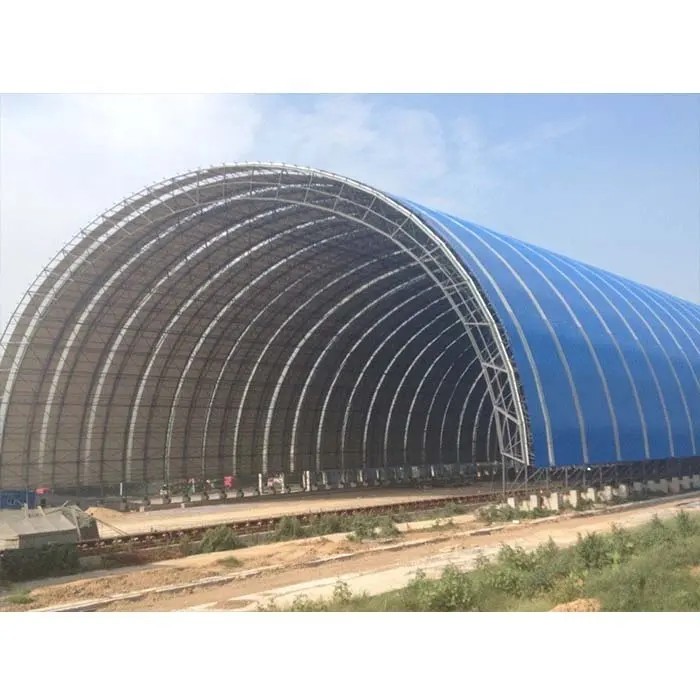
Table of Contents
- Definition of a Coal Bunker
- Common Operational Challenges
- Key Design and Structural Components
- Types of Coal Bunkers and Materials
- Best Practices for Operation and Maintenance
- Safety and Environmental Considerations
- Frequently Asked Questions
- Conclusion
Coal Bunker: Definition and Purpose
A coal bunker is a storage container designed to hold bulk coal before it is conveyed to processing, combustion, or dispatch systems. Coal bunkers are integral to facilities that depend on reliable coal feeding mechanisms, such as thermal power plants, industrial furnaces, cement plants, and steel mills. The primary purpose of a coal bunker is to provide a steady and controlled supply of coal while minimizing environmental emissions, safety hazards, and operational interruptions.
Coal bunkers must accommodate variable coal properties such as particle size, moisture content, and friability. Without proper design, coal bunkers can experience material hang-ups, dust release, and structural issues that translate into delays and increased running costs.
Operational Pain Points Addressed
- Inconsistent Material Flow: Coal may bridge or rat-hole, preventing uniform discharge.
- Dust and Emissions: Fine coal dust creates respiratory risks and environmental compliance challenges.
- Structural Stress: Heavy loads and dynamic forces demand durable design.
- Moisture and Degradation: Coal exposed to water can cake, reducing flowability.
- Maintenance Downtime: Hard-to-service bunkers increase operational costs.
Addressing these pain points is vital for performance optimization. Below, we explore design, material considerations, and maintenance practices that help minimize these risks.
Key Design and Structural Components
Effective coal bunkers consist of multiple elements engineered to handle specific functional requirements. These components include:
| Component | Description | Function |
|---|---|---|
| Bin Walls | Thick steel or reinforced concrete panels | Provide structural support and containment |
| Sloped Hopper | Angled base section | Promotes gravity discharge of coal |
| Discharge Gate | Manual or automated outlet control | Regulates material flow |
| Dust Control Systems | Filters, seals, and vents | Minimizes airborne particulates |
| Structural Supports | Steel beams, trusses, and columns | Withstands load and vibration |
Proper integration of these components influences reliability and reduces unplanned interruptions.
Types of Coal Bunkers and Material Selection
Coal bunkers are categorized based on construction material, capacity, and operation mechanism. Choosing the correct type depends on site-specific factors, including coal properties, environmental conditions, and throughput requirements.
- Steel Coal Bunkers: Highly durable, suitable for large storage volumes and frequent use.
- Concrete Coal Bunkers: Cost-effective alternative with excellent fire resistance.
- Modular Bunker Systems: Designed for scalability and easier onsite assembly.
- Enclosed vs. Open Bunkers: Enclosed bunkers better control dust and moisture; open bunkers suit dry climates and short-term storage.
Material selection should consider abrasive wear, environmental exposure, and maintenance access. Protective liners, wear plates, and corrosion-resistant coatings extend service life.
Best Practices for Operation and Maintenance
Ensuring consistent performance requires scheduled maintenance, good housekeeping, and proactive inspections. The following best practices enhance reliability:
- Routine Inspection: Check for structural deformities, corrosion, and wear in discharge gates and hopper walls.
- Dust Management: Use high-efficiency dust collectors and ensure all access points are sealed.
- Moisture Control: Install covers, roofing, and drainage to prevent water ingress.
- Flow Promotion: Consider vibrators, air pads, or agitators if material bridges or rat-holes occur.
- Documentation: Record maintenance activities and incident reports to improve future planning.
Regular training for operations personnel also mitigates human error and improves response to potential flow blockages or mechanical failures.
Safety and Environmental Considerations
Safety is paramount in coal bunker operations. Coal dust is combustible, and poor ventilation or static build-up can lead to fire hazards. Key safety measures include:
- Grounding and Bonding: Prevent static charge accumulation.
- Gas Detection: Monitor for methane and other hazardous gases in enclosed bunkers.
- Fire Suppression: Install automatic fire detection and suppression systems.
- Access Control: Restrict unauthorized entry to storage areas.
Environmental compliance requires dust emission control, proper runoff management, and regulation adherence. Facilities should coordinate with local authorities to confirm compliance standards for particulate matter and waste handling.
Frequently Asked Questions
Q1: How do I prevent coal bridging in a bunker?
A1: Bridging can be minimized with the correct hopper angle, flow-promoting devices such as vibrators or air pads, and consistent material feed practices that avoid buildup at critical points.
Q2: What maintenance schedule should be followed?
A2: Conduct weekly visual inspections, monthly detailed checks for wear and corrosion, and annual full structural reviews. Adjust frequency based on usage intensity and environmental conditions.
Q3: Can coal bunkers be used for materials other than coal?
A3: Yes. With appropriate design modifications for material characteristics such as bulk density and moisture content, similar bunker systems can store other granular solids.
Q4: What causes excessive dust in coal bunkers?
A4: Dust arises from fine coal particles, improper seals, high discharge velocity, or inadequate air filtration systems. Solutions include enclosed designs and high-efficiency dust control devices.
Conclusion
Understanding the role and functionality of a coal bunker is critical for industrial operations that depend on solid fuel storage. Well-designed and maintained coal bunkers improve material flow, reduce environmental impact, and enhance safety. Investing in robust structural design, effective dust control, regular maintenance, and trained personnel directly addresses customer pain points and delivers reliable long-term performance.
At Lano, we offer tailored coal bunker solutions engineered to meet your operational demands with precision and durability. To learn more about how our products can optimize your process, contact us for customized support and expert consultation.