

What Are the Risks of Using a Damaged or Incorrect Lifting Clamp
2026-02-11
In the demanding world of material handling and industrial lifting, safety is the non-negotiable foundation of every operation. At the core of many lifting systems is the Lifting Clamp, a vital tool for securing and moving loads like steel plates, beams, and slabs. However, complacency with equipment integrity and selection can turn this essential tool into a significant hazard. Using a damaged or incorrect lifting clamp is a severe safety violation that jeopardizes personnel, property, and productivity. As a trusted partner in industrial safety, BaiYi is committed to educating our clients on these critical risks to prevent catastrophic failures.
The consequences of neglecting proper Lifting Clamp protocols can be severe and multifaceted. Below is a breakdown of the primary risks.
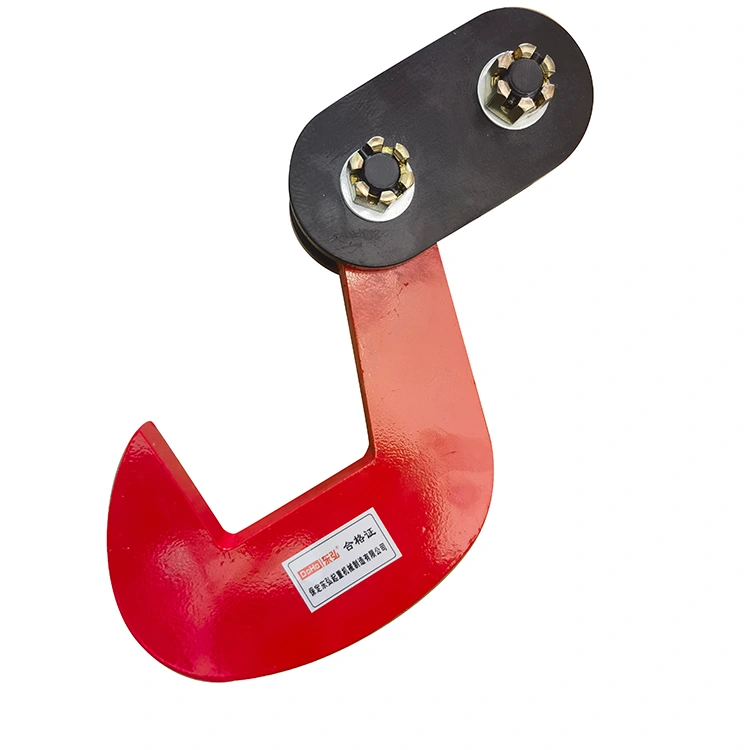
Primary Risks:
-
Catrophic Load Failure: A compromised clamp can fracture or release its grip without warning, causing the load to fall.
-
Personnel Injury: Falling loads pose a direct threat of crushing injuries, fatalities, or strikes from ricocheting debris.
-
Property Damage: A dropped load can destroy machinery, structural elements, and other valuable assets on site.
-
Operational Downtine: An incident leads to halted operations, lengthy investigations, and costly repairs.
-
Legal & Financial Liability: Companies face severe fines, litigation, and increased insurance premiums for safety violations.
To choose the right clamp, understanding the application is paramount. The table below contrasts common clamp types and their intended uses, highlighting the danger of misapplication.
| Clamp Type | Primary Designed Use | Risk if Used Incorrectly |
|---|---|---|
| Vertical Plate Clamp | Lifting steel plates in a vertical orientation. | If used horizontally, the load can slip out due to incorrect force distribution. |
| Horizontal Beam Clamp | Lifting beams or profiles horizontally. | Insufficient grip on a vertical surface leads to load swing and potential drop. |
| Sheet Lifter Clamp | Handling bundled sheets or palletized material. | Overloading beyond its design can cause internal mechanism failure. |
Lifting Clamp FAQ
What should I check during a pre-use inspection of a Lifting Clamp?
Visually inspect for cracks, deep corrosion, or wear on the body and pivot points. Check all moving parts operate smoothly without stiffness. Ensure the safety latch (if equipped) functions correctly and look for any permanent deformation or bending.
Can I use a standard Lifting Clamp on all types of material surfaces?
No, the surface condition is critical. Clamps designed for clean, mill-edge steel may not grip safely on painted, coated, slippery, or excessively rough surfaces. Using the wrong clamp can drastically reduce friction and holding capacity.
How often should Lifting Clamps be formally inspected and certified?
While a visual check is required before each use, a formal, documented inspection by a competent person should be conducted at least every 12 months, as per most regulatory standards. However, severe service conditions may require more frequent quarterly or monthly inspections.
Ensuring the correct and safe use of Lifting Clamps is a professional imperative. It requires diligent selection, rigorous inspection, and comprehensive operator training. At BaiYi, we engineer our clamps to the highest safety standards, but their integrity depends on proper user practice. Do not compromise on safety—using the right tool in the right condition is the simplest way to protect your team and your project. Contact us today for a professional equipment assessment or to explore our range of certified and reliable BaiYi Lifting Clamps tailored for your specific needs.