

What Are the Key Differences Between New and Used Truck Leaf Springs
2026-03-19
When it comes to maintaining the suspension system of heavy-duty vehicles, few components are as critical as the Truck Leaf Used Plate Spring. Whether you are a fleet manager or an independent owner-operator, choosing between a brand-new unit and a pre-owned one is a decision that impacts both your budget and your vehicle's safety. At Fumin, we understand the intricacies of suspension technology, and we believe that making an informed choice requires a deep dive into the structural and performance variances between these two options.
While a brand-new component offers guaranteed performance, a high-quality used leaf spring can be a viable option for restoration projects. However, the differences go far beyond just the price tag. From metallurgical stress to wear patterns, understanding these distinctions helps you prioritize safety without overspending.
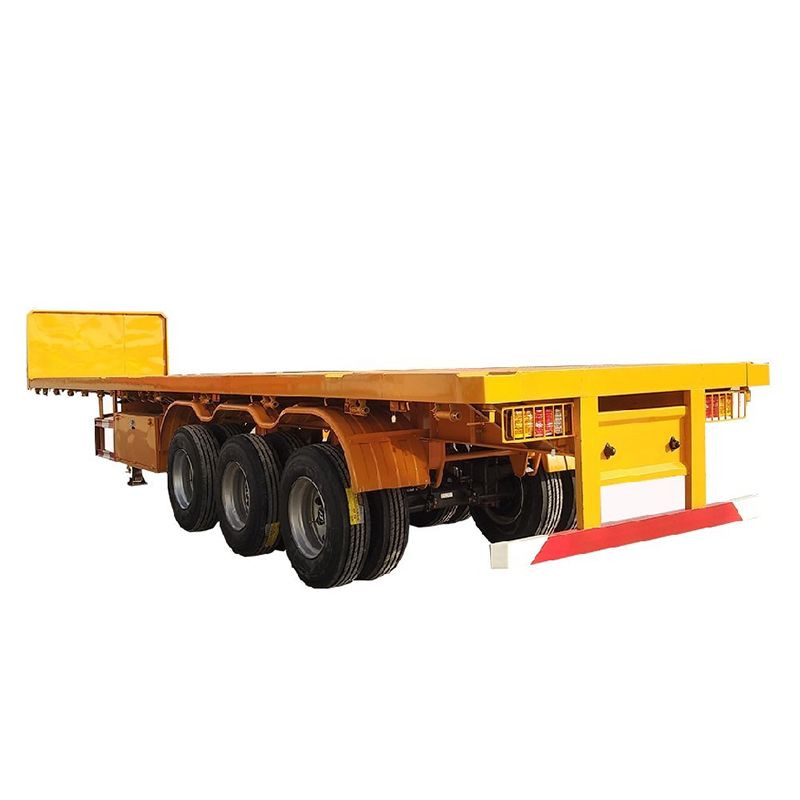
1. Structural Integrity and Wear Patterns
The most significant difference between new and used units lies in their structural history. A new Truck Leaf Used Plate Spring has a uniform metallurgical structure, meaning it has not yet been subjected to the cyclic stresses of the road. In contrast, a used spring has already endured thousands of compression cycles.
-
New Springs: Offer predictable deflection rates and consistent load distribution.
-
Used Springs: May have developed micro-fractures or "set" (permanent sag) from being overloaded.
Visual Inspection Checklist
When evaluating a spring, use this checklist to assess its condition:
| Feature | New Spring Condition | Used Spring Condition |
|---|---|---|
| Arc/Curvature | Perfect factory spec | May be flattened or inverted |
| Surface | Smooth, coated finish | Possible pitting from rust |
| Leaf Ends | Clean, squared edges | Signs of wear or "fretting" |
| Center Bolt | Tight, new hardware | Possible elongation of the hole |
2. Fatigue Life and Material Memory
Every metal component has a fatigue life. When a Truck Leaf Used Plate Spring is manufactured, it is designed to handle a specific range of stress. A new spring has 100% of its fatigue life remaining. A used spring, however, has already consumed a portion of that life.
If a used spring came from a truck that consistently hauled maximum loads, the material is closer to its breaking point. Fumin recommends that if you opt for used, you must verify the application history to ensure the spring isn't "tired."
3. Cost vs. Reliability Trade-off
The financial aspect is often the deciding factor. New springs represent a higher upfront investment but come with zero unknowns. Used springs are cheaper but may require re-arching or re-bushing immediately.
-
New: Higher cost, full warranty, perfect fit.
-
Used: Lower cost, potential for hidden damage, "as-is" condition.
4. Compatibility and Setup
New springs are manufactured to precise OEM specifications for specific truck models. Used springs are a gamble; they might be close to the right size, but they could be from a different model year or brand. A mismatched Truck Leaf Used Plate Spring can cause uneven loading, leading to poor drivability and increased wear on tires and shocks.
FAQ: Common Questions About Truck Leaf Springs
To further clarify the nuances of suspension maintenance, here are answers to three frequently asked questions regarding Truck Leaf Used Plate Spring systems.
Q: How can I tell if a used Truck Leaf Used Plate Spring is safe to install?
A: Safety assessment requires a multi-step inspection. First, check for the "center bolt." If it is bent or if the leaves are misaligned, the spring is unsafe. Second, look for deep rust pitting on the edges of the leaves; surface rust is acceptable, but pitting acts as a stress riser that can lead to cracking. Finally, check the eyes of the spring (where it attaches to the hanger). They must be perfectly round. If they are oval-shaped, the spring has been stretched and should not be reused.
Q: Is it better to re-arch a worn leaf spring or buy a new one?
A: Re-arching, which involves re-bending a used Truck Leaf Used Plate Spring to restore its original curve, is a controversial practice. While it can temporarily restore ride height, it alters the molecular structure of the steel, potentially making it brittle. For light-duty applications, re-arching might suffice. However, for heavy hauling, a new spring from a reputable supplier like Fumin is always safer because the steel maintains its intended temper and elasticity.
Q: Why do used leaf springs sometimes make squeaking noises even if they look fine?
A: Noise in a Truck Leaf Used Plate Spring assembly is often caused by interleaf friction. When springs are new, they are usually painted or have composite liners between the leaves to reduce friction. On a used spring, this lubrication or coating has worn away. Furthermore, dirt and debris become embedded between the leaves over time. Even if the spring isn't broken, this dry friction causes squeaking and a harsher ride. Disassembling, cleaning, and lubricating the used pack can mitigate this.
Conclusion: Making the Right Choice for Your Rig
Deciding between new and used components requires a realistic assessment of your truck's duty cycle. For vehicles that are the backbone of your daily operations, reliability cannot be compromised. Used components can be suitable for trailers or vehicles with limited road time, but they require rigorous inspection.
At Fumin, we pride ourselves on providing expert guidance and high-quality suspension solutions tailored to your specific needs. Do not leave your safety to chance.
Contact us today to discuss your suspension requirements. Let our team help you find the perfect balance of durability and performance for your fleet.