

Is a Carton Erecting Machine the Missing Piece Between Your Packing Line and On-Time Shipments?
2025-12-22
I used to think carton forming was “just a simple step” until I watched a line slow down because operators were stuck folding boxes by hand, dealing with inconsistent squareness, and re-taping corners after jam-related tears. That’s exactly where Feihua started to make sense in my head—not as a flashy add-on, but as a practical way to stabilize the front end of packaging. When I look at throughput, labor pressure, and carton quality together, a reliable Carton Erecting Machine often becomes the quiet hero that keeps everything downstream running.
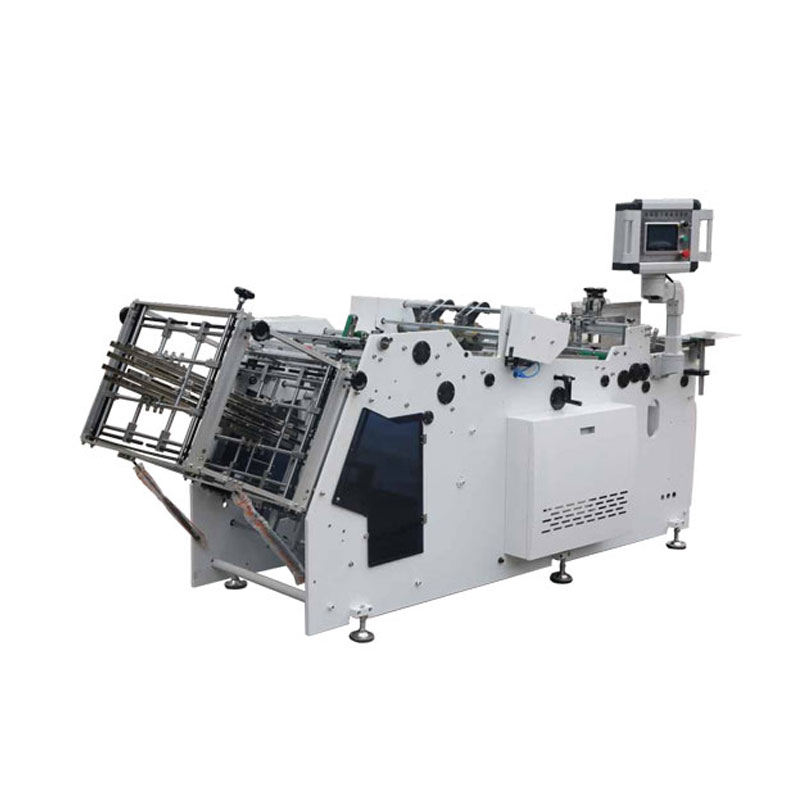
Why does manual carton forming turn into a bottleneck so fast?
When your demand rises, manual forming rarely scales in a clean way. I’ve seen three pain points show up again and again:
- Inconsistent carton shape leading to poor case sealing and ugly finished packs
- Labor dependency where output drops the moment an experienced operator steps away
- Stop-and-go feeding that creates gaps on conveyors and triggers downstream idle time
A well-matched Carton Erecting Machine reduces those headaches by standardizing the “open, square, and seal” stage so the rest of the line can finally behave like a system.
What should I expect a carton erector to improve first?
I usually judge improvements in the same order your line feels pain:
- Line stability because consistent carton supply reduces micro-stops
- Carton quality because squareness affects sealing, labeling, and pallet appearance
- Labor efficiency because operators can shift to higher-value tasks
- Waste reduction because fewer cartons get damaged during rushed manual folding
This is why I treat a Carton Erecting Machine like a foundation tool: once the cartons are consistently formed, everything from case packing to palletizing becomes easier to optimize.
How do I know if I need a semi-automatic or automatic solution?
I keep it simple: if you’re forming cartons occasionally and your SKU changes are frequent, semi-automatic may be enough. If carton forming is a daily bottleneck or you’re aiming for continuous flow, automatic is usually the more honest fit. Here’s the comparison framework I use:
| Decision Factor | Semi-Automatic Carton Erecting | Automatic Carton Erecting |
| Output consistency | Depends on operator rhythm | More consistent feeding for steady flow |
| Labor pressure | Reduced, but still operator-involved | Lowest manual involvement during runs |
| Best for | Smaller lines, varied schedules | Higher volume lines, continuous operation |
| Changeover style | Often simpler for quick swaps | Worth it when runs are longer or planned |
| Downstream integration | Basic integration | Better fit for end-to-end automation |
No matter which route you choose, I’d still evaluate it like a system component—because a Carton Erecting Machine that doesn’t match your line speed or carton range will feel “fine” in demos and frustrating in real production.
Which carton problems can a modern carton erector actually solve?
If I’m being picky (and I usually am), I look for practical engineering choices that solve real factory issues—not just brochure features. In day-to-day production, these are the problems a good Carton Erecting Machine can help reduce:
- Skewed cartons that lead to poor sealing and misaligned labels
- Irregular tape application that causes returns or retailer complaints
- Feeding interruptions that create gaps and stop the case packer
- Carton damage from rushed manual folding and rework
- Operator fatigue that gradually lowers quality over a long shift
What features should I prioritize when comparing suppliers?
I like shopping with a checklist because “similar-looking” machines can behave very differently on a busy floor. Here’s the shortlist I rely on when evaluating options like Feihua’s approach to carton erecting:
- Carton size range and how easy the adjustments are in real life
- Tape sealing consistency and accessibility for tape head maintenance
- Jam handling design and how quickly operators can recover without tools
- Stability at target speed, especially with slightly imperfect cartons
- Safety design and sensible guarding that doesn’t block routine access
- Spare parts availability and practical support for installation and training
When those fundamentals are covered, a Carton Erecting Machine becomes less of a “new equipment risk” and more of a predictable productivity upgrade.
How can I estimate ROI without guessing?
I don’t believe in magical ROI claims. I prefer a simple, defensible calculation that uses your own numbers:
- How many cartons per shift are formed manually today?
- How many labor hours are tied up in folding, squaring, and taping?
- How much downtime is caused by inconsistent carton supply?
- How many cartons are wasted due to damage or rework?
| ROI Input | What I measure | Why it matters |
| Labor savings | Hours per shift moved away from manual forming | Frees people for QC, packing, or line supervision |
| Throughput gain | Cartons/hour before vs after stable feeding | Reduces micro-stops and improves flow |
| Waste reduction | Damaged cartons and tape rework counts | Less scrap and fewer shipping issues |
| Downtime reduction | Minutes lost due to carton supply problems | Improves utilization of downstream equipment |
Once you plug in real shift data, the decision becomes clearer. In many factories I’ve observed, the biggest “hidden” return comes from stability—because the Carton Erecting Machine prevents the chain reaction of stops that waste far more time than the carton step alone.
How do I avoid jams and carton damage during daily operation?
Jams aren’t always the machine’s fault—carton quality, humidity, and setup habits matter. These are the practices I recommend to keep things smooth:
- Standardize carton specs and avoid mixing suppliers within the same run
- Train operators on a “two-minute restart routine” instead of improvised fixes
- Keep tape heads clean and replace wear parts on a schedule, not after failures
- Confirm carton blanks are stored properly to prevent warping
- Log jam reasons for two weeks, then adjust settings based on patterns
With basic discipline, a Carton Erecting Machine can run like a dependable workhorse instead of a “temperamental” station everyone avoids.
What questions should I ask before I request a quote?
If you want quotes that actually match your needs, here are the questions I’d ask (and answer) upfront:
- What carton sizes do I run today, and what sizes might I add next year?
- What target speed do I need at peak season, not just average days?
- Do I need integration with a case packer, conveyor, or sealing station?
- What are my facility constraints like space, power, and operator access?
- What level of after-sales support do I expect for commissioning and training?
Ready to stabilize your packing line with the right carton erector?
If you’re tired of carton bottlenecks and you want a clearer path to consistent output, I’d suggest starting with your carton sizes, target speed, and how your current line stops. From there, it’s easier to match a solution that fits your workflow instead of forcing your workflow to fit the machine. If you want help selecting the right configuration from Feihua, compare options, or validate your line plan, contact us and share your carton sizes and production goals—then we can point you toward a Carton Erecting Machine setup that makes sense for your factory.