Article Summary
This comprehensive guide provides an in-depth look at Bitumen Storage Tanks, covering technical specifications, types, applications, maintenance strategies, and common questions. The article is structured into four main sections to help industrial operators, engineers, and procurement managers understand optimal storage and handling of bitumen efficiently and safely.
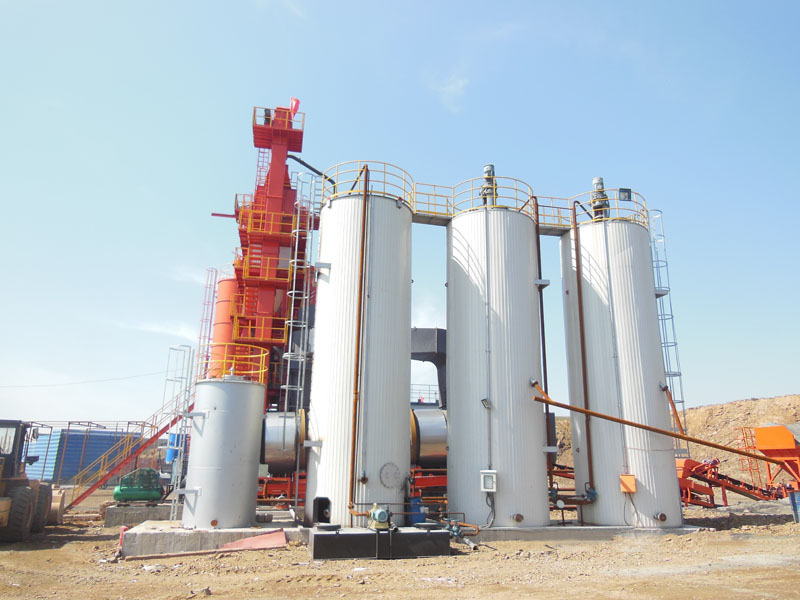
1. Introduction to Bitumen Storage Tanks
Bitumen Storage Tanks are critical infrastructure components in the asphalt and road construction industries. They provide safe, reliable storage for bitumen, maintaining its viscosity and quality over time. Efficient storage ensures smooth production operations and prevents material loss or degradation. This section introduces the fundamental purpose of bitumen tanks, common types, and their role in industrial applications.
Bitumen tanks can be horizontal, vertical, or modular depending on capacity requirements and installation constraints. Key applications include asphalt plants, road construction sites, and industrial bitumen supply depots. Properly designed tanks reduce heat loss and minimize maintenance needs, enhancing operational efficiency.
2. Technical Specifications and Design Considerations
The design of Bitumen Storage Tanks is influenced by capacity, heating requirements, material compatibility, and safety standards. Advanced tanks integrate heating coils, insulation, and automated monitoring to ensure consistent temperature control.
|
Parameter
|
Description
|
|
Tank Capacity
|
10-2000 tons, customizable based on project needs
|
|
Tank Type
|
Vertical, horizontal, or modular
|
|
Material
|
High-grade carbon steel or stainless steel
|
|
Heating Method
|
Steam coil, thermal oil, or electrical heating
|
|
Insulation
|
High-efficiency mineral wool or polyurethane
|
|
Temperature Control
|
Automated thermostat systems maintaining 150–200°C
|
|
Safety Features
|
Pressure relief valves, level gauges, and emergency venting
|
When selecting a Bitumen Storage Tank, factors such as storage volume, site layout, heating efficiency, and compliance with local regulations must be considered. Efficient tanks reduce energy consumption and maintain bitumen quality for prolonged periods.
3. Maintenance and Operational Best Practices
Regular maintenance ensures the longevity and reliability of Bitumen Storage Tanks. Implementing structured operational protocols can prevent unexpected downtime and material degradation.
Routine Inspection
Inspect the tank for corrosion, leaks, and structural integrity at scheduled intervals. Visual inspections, ultrasonic thickness tests, and pressure monitoring help identify potential issues early.
Temperature Management
Maintaining optimal temperature is essential for bitumen quality. Use automated temperature controls and monitor heating systems to avoid overheating or underheating. Energy-efficient insulation reduces heat loss and operational costs.
Cleaning and Sediment Removal
Periodic cleaning prevents sludge accumulation and ensures smooth flow. Draining tanks and flushing with suitable solvents removes residues that may affect asphalt quality.
Safety Compliance
Adhere to local regulations regarding storage pressure, ventilation, and fire safety. Install safety valves, emergency vents, and proper grounding to prevent accidents.
4. Frequently Asked Questions About Bitumen Storage Tanks
Q1: How long can bitumen be stored in a tank without degradation?
A1: Properly maintained Bitumen Storage Tanks can store bitumen for several months while preserving its quality. Temperature control between 150°C and 180°C and periodic agitation prevent separation and viscosity changes.
Q2: How is the heating system in a bitumen tank designed to ensure uniform temperature?
A2: Heating systems typically use steam coils, thermal oil, or electrical heaters distributed throughout the tank to maintain consistent temperature. Sensors and automated thermostats ensure real-time monitoring and adjustment.
Q3: How to prevent corrosion and extend the lifespan of a bitumen tank?
A3: Using high-grade steel, proper insulation, regular inspections, and anti-corrosion coatings are effective strategies. Maintaining appropriate storage temperatures and avoiding water ingress also significantly extend tank life.
5. Conclusion and Contact Information
Bitumen Storage Tanks are essential assets for asphalt and industrial bitumen applications, providing safe, efficient, and reliable storage solutions. Selecting the right tank, adhering to operational best practices, and understanding common maintenance challenges ensures optimal performance and prolonged service life.
For professional-grade Bitumen Storage Tanks with advanced heating systems, reliable insulation, and precise temperature control, CXTCM provides high-quality solutions tailored to industry needs. For inquiries, consultations, or to request a quotation, please contact us directly to explore customized storage solutions for your operations.