

How Stack Flexo Printing Machine Improves Efficiency and Print Quality
2026-03-30
Abstract
In the competitive packaging and printing industry, businesses face constant pressure to deliver high-quality prints while maintaining cost efficiency and operational flexibility. The Stack Flexo Printing Machine has emerged as a reliable solution for manufacturers looking to optimize performance across various substrates. This article explores how this technology enhances productivity, reduces waste, and ensures superior print results. It also addresses common customer concerns, provides a structured overview, and offers practical insights into selecting the right machine for your operations.
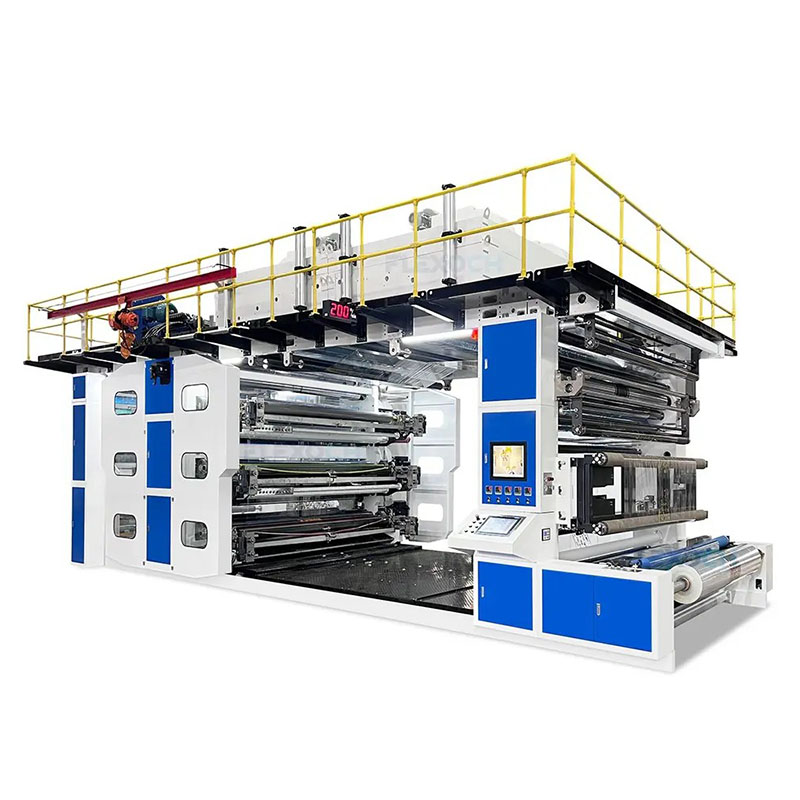
Table of Contents
- 1. Introduction to Stack Flexo Printing Machine
- 2. Key Advantages for Modern Printing Businesses
- 3. How It Improves Print Quality
- 4. Efficiency Gains and Cost Reduction
- 5. Comparison with Other Printing Technologies
- 6. Key Components and Working Principle
- 7. Selection Guide for Buyers
- 8. Maintenance and Operational Tips
- 9. Frequently Asked Questions
1. Introduction to Stack Flexo Printing Machine
A Stack Flexo Printing Machine is a type of flexographic printing system where multiple printing units are vertically stacked. Each unit prints a specific color, allowing for multi-color printing in a compact footprint. This configuration is especially suitable for flexible packaging materials such as plastic films, paper, and non-woven fabrics.
Unlike central impression systems, stack configurations provide greater flexibility in handling different substrates and allow independent control of each printing station. This makes them ideal for small to medium production runs and customized printing jobs.
2. Key Advantages for Modern Printing Businesses
- Flexibility: Suitable for a wide range of materials and thicknesses
- Compact Design: Saves floor space while maintaining functionality
- Cost-Effective: Lower initial investment compared to other systems
- Ease of Operation: User-friendly controls and quick setup
- Scalability: Can be configured with varying numbers of print units
For businesses experiencing frequent job changes or diverse product requirements, these advantages translate into faster turnaround times and improved customer satisfaction.
3. How It Improves Print Quality
Print quality is a critical concern for customers, especially in packaging where visual appeal directly influences purchasing decisions. Stack Flexo Printing Machines enhance quality through several mechanisms:
- Precise Ink Transfer: Advanced anilox rollers ensure consistent ink distribution
- Independent Unit Control: Each color station can be fine-tuned individually
- Reduced Vibration: Stable structure minimizes printing defects
- High Registration Accuracy: Improved alignment between colors
These features help eliminate common issues such as color inconsistency, smudging, and misregistration, ensuring a clean and professional finish.
4. Efficiency Gains and Cost Reduction
Operational efficiency is another major concern for manufacturers. Stack Flexo Printing Machines address this by streamlining workflows and minimizing downtime.
| Factor | Traditional Printing | Stack Flexo Printing Machine |
|---|---|---|
| Setup Time | Long | Short |
| Material Waste | High | Low |
| Energy Consumption | Moderate | Optimized |
| Production Speed | Variable | Consistent |
By reducing setup time and waste, companies can significantly lower production costs while increasing output capacity.
5. Comparison with Other Printing Technologies
Understanding how stack flexo machines compare with other technologies helps buyers make informed decisions.
- Versus CI Flexo: Stack machines offer more flexibility but slightly less registration precision
- Versus Gravure: Lower cost and faster setup, but not ideal for ultra-high volume runs
- Versus Digital Printing: Better suited for large-scale production with lower per-unit cost
Each technology has its place, but stack flexo systems strike a balance between quality, cost, and versatility.
6. Key Components and Working Principle
A typical Stack Flexo Printing Machine consists of the following components:
- Unwind and rewind units
- Printing cylinders
- Anilox rollers
- Doctor blade system
- Drying units
The process involves transferring ink from the anilox roller to the printing plate, which then applies the image onto the substrate. Each stacked unit repeats this process for a different color, resulting in a complete multi-color print.
7. Selection Guide for Buyers
Choosing the right machine can be challenging. Here are key factors to consider:
- Material Type: Ensure compatibility with your primary substrates
- Number of Colors: Select based on design complexity
- Production Volume: Match machine capacity with demand
- Automation Level: Higher automation reduces labor costs
- After-Sales Support: Reliable service ensures long-term performance
Companies like HuiPeng provide tailored solutions that address specific operational needs, ensuring optimal return on investment.
8. Maintenance and Operational Tips
Proper maintenance is essential for maximizing machine lifespan and performance.
- Regularly clean anilox rollers to prevent ink buildup
- Inspect printing plates for wear and damage
- Monitor tension control systems for stability
- Lubricate moving parts to reduce mechanical stress
- Train operators for consistent handling and troubleshooting
Routine maintenance not only prevents unexpected breakdowns but also ensures consistent print quality over time.
9. Frequently Asked Questions
-
Q1: What materials can a Stack Flexo Printing Machine handle?
A: It supports a wide range including plastic films, paper, foil, and non-woven materials. -
Q2: Is it suitable for small businesses?
A: Yes, its cost-effectiveness and flexibility make it ideal for small to medium enterprises. -
Q3: How many colors can it print?
A: Typically ranges from 2 to 8 colors, depending on the configuration. -
Q4: What is the typical lifespan?
A: With proper maintenance, it can operate efficiently for many years. -
Q5: How does it reduce waste?
A: Faster setup and precise control minimize material loss during production.
Conclusion
The Stack Flexo Printing Machine represents a practical and efficient solution for modern printing challenges. Its flexibility, cost advantages, and consistent performance make it a preferred choice for businesses aiming to enhance productivity without compromising quality. By understanding its features and selecting the right configuration, companies can unlock significant operational benefits.
If you are looking to upgrade your printing capabilities or explore customized solutions, HuiPeng offers professional expertise and reliable equipment tailored to your needs. Contact us today to discover how we can help you achieve superior printing performance and long-term business growth.