

How Does the Selection Between Grade R4 and R4S Impact Mooring System Weight and Vessel Payload
2026-04-01
For engineering teams designing floating production systems, the choice of mooring chain is a pivotal decision that directly influences structural integrity, operational costs, and logistics. Among the most critical considerations is the selection between Grade R4 and Grade R4S studless offshore mooring chain. This decision extends far beyond material specifications—it fundamentally alters mooring system weight and vessel payload capacity, two factors that determine the feasibility and economic viability of offshore projects. At CSAC, we specialize in delivering both grades with precision engineering, ensuring that every mooring solution aligns with project-specific demands.
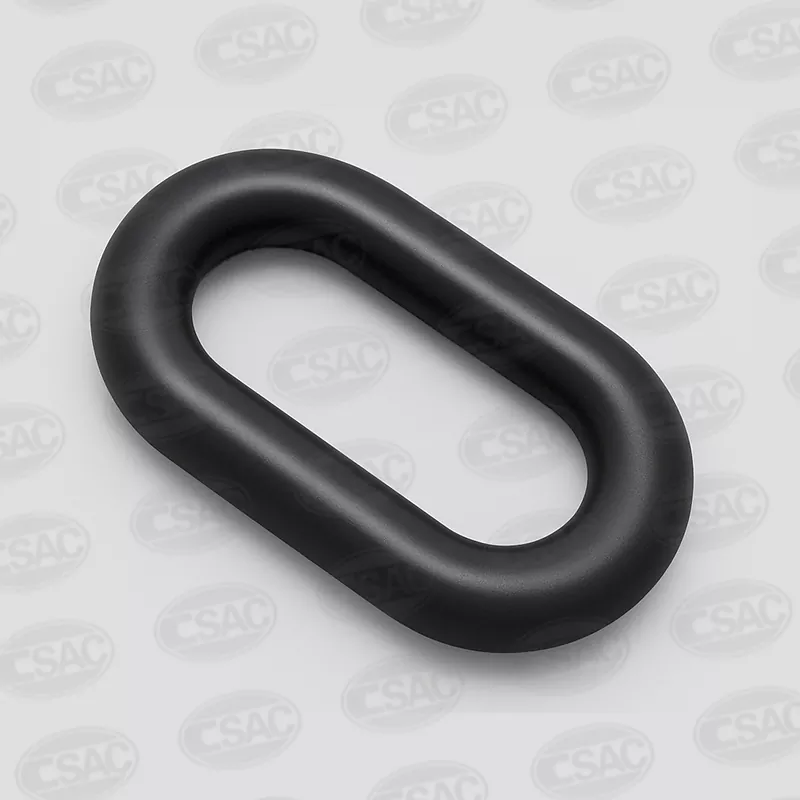
Understanding the Core Differences
While Grade R4 has long served as the industry benchmark for offshore mooring, Grade R4S represents an evolution designed for deeper waters and more demanding environments. The primary distinction lies in mechanical properties: Grade R4S offers higher minimum yield strength and superior fatigue resistance, which allows for reduced chain diameter without compromising breaking load.
| Parameter | Grade R4 | Grade R4S |
|---|---|---|
| Minimum Yield Strength | 580 MPa | 700 MPa |
| Tensile Strength | 860 MPa | 860–1000 MPa |
| Fatigue Performance | Standard | Enhanced (superior in deepwater dynamic conditions) |
| Typical Application | Fixed platforms, shallow to mid-water | Floating production units, ultra-deepwater |
Impact on Mooring System Weight
The most direct effect of selecting Grade R4S over Grade R4 is the potential reduction in mooring system weight. Because Grade R4S achieves a higher minimum yield strength—700 MPa versus 580 MPa—designers can specify a smaller diameter chain for the same required minimum breaking load (MBL).
For example, a mooring line requiring an MBL of approximately 5,000 kN might utilize 120 mm Grade R4 chain. With Grade R4S, the same MBL can often be achieved with 112 mm diameter. This diameter reduction translates into significant weight savings:
-
Weight reduction per meter: Approximately 10–12% less.
-
Total system weight: For an eight-leg mooring system, savings can exceed 150 metric tons, including connectors and accessories.
Lighter mooring systems reduce steel consumption, lower fabrication costs, and simplify installation logistics. CSAC engineers work closely with clients to model these weight differentials early in the design phase, ensuring that the grade selection delivers measurable efficiency gains.
Vessel Payload and Topside Implications
Reducing mooring system weight directly increases available vessel payload—a critical factor for floating production storage and offloading (FPSO) units and semi-submersibles. Every ton saved in the mooring system becomes available for production equipment, riser systems, or operational supplies.
Payload impact comparison for a typical FPSO with 8 mooring lines:
| Chain Grade | Total Chain Weight (approx.) | Payload Available for Other Equipment |
|---|---|---|
| Grade R4 | 1,200 tons | Baseline |
| Grade R4S | 1,050 tons | +150 tons additional payload capacity |
This payload increase allows operators to expand topside modules, add risers, or enhance storage capacity without modifying the hull structure. In ultra-deepwater projects where every kilogram matters, Grade R4S provides a clear strategic advantage.
Grade R4-R4S Studless Offshore Mooring Chain: FAQ
What is the primary technical difference between Grade R4 and Grade R4S studless offshore mooring chain and how does it affect project design?
The primary technical difference lies in the minimum yield strength and fatigue performance. Grade R4 has a minimum yield strength of 580 MPa, while Grade R4S achieves 700 MPa. This higher strength allows designers to use a smaller diameter chain to achieve the same minimum breaking load. Consequently, Grade R4S reduces overall mooring system weight by 10–15% and improves fatigue life in dynamic deepwater environments. Project design benefits include reduced vessel payload consumption, lower steel costs, and simplified handling during installation. For fields with high mean tensions or severe metocean conditions, Grade R4S often becomes the preferred choice to meet long-term reliability requirements.
Can Grade R4 and Grade R4S be mixed within the same mooring system and what are the engineering considerations?
Yes, Grade R4 and Grade R4S can be used in the same mooring system, but careful engineering analysis is required. The transition between grades must occur at connection points such as chain connectors or swivels, and each section must be designed to its respective minimum breaking load. Engineers must verify that the lower-grade sections are not subjected to loads exceeding their capacity under extreme environmental conditions. Additionally, fatigue analysis should account for differing performance characteristics along the mooring line. While mixing grades offers flexibility for optimizing cost and weight, it demands rigorous analytical validation. CSAC provides certified transition fittings and engineering support to ensure hybrid systems meet classification society requirements.
How does fatigue performance of Grade R4S compare to Grade R4 in ultra-deepwater applications?
In ultra-deepwater applications, fatigue performance is a defining factor for mooring system longevity. Grade R4S exhibits significantly enhanced fatigue resistance due to its refined microstructure and higher yield strength, which reduce stress concentration effects under cyclic loading. Industry testing indicates that Grade R4S can achieve up to double the fatigue life of Grade R4 in high-tension, high-cycle environments typical of deepwater floating systems. This extended fatigue life translates into fewer inspection intervals, reduced replacement costs, and improved safety margins over the field life. For projects exceeding 1,500 meters water depth or those with demanding station-keeping requirements, Grade R4S is widely regarded as the superior solution.
Installation and Logistics Benefits
The weight advantages of Grade R4S also streamline installation operations. Lighter chains reduce the capacity requirements for deck winches, tensioners, and installation vessels. For projects operating in remote or logistically constrained regions, this can shorten installation campaigns by days or even weeks. CSAC leverages these operational efficiencies through integrated supply and installation support, ensuring that the selected grade delivers value from procurement through to commissioning.
Making the Informed Choice
Selecting between Grade R4 and Grade R4S requires balancing initial capital expenditure against long-term operational benefits. While Grade R4S typically carries a higher per-tonne cost, the reduction in mooring system weight, increased vessel payload, and enhanced fatigue performance often yield a lower total lifecycle cost for deepwater and ultra-deepwater assets. CSAC delivers both grades with full traceability, third-party certification, and engineering expertise to guide this critical decision.
For projects where water depth exceeds 1,000 meters, or where vessel payload is constrained, Grade R4S consistently emerges as the optimal solution. Conversely, for shallow-water platforms with ample payload margins, Grade R4 remains a reliable, cost-effective standard.
Contact Us
Selecting the right mooring chain grade is a strategic decision that shapes the safety, efficiency, and profitability of offshore operations. CSAC provides end-to-end support—from engineering analysis and supply to installation supervision and after-sales service. Contact us today to discuss your project requirements and discover how our expertise in Grade R4-R4S studless offshore mooring chain can optimize your mooring system design.