

How Does the Plug Rod Mechanism Enhance Pouring Precision in Foundries
2026-03-13
In the competitive landscape of modern metal casting, achieving exacting standards of accuracy is non-negotiable. The Plug Rod Type Foundry Ladle represents a significant advancement in this area, primarily due to its sophisticated stopper rod system. At CEJER, we recognize that the difference between a quality casting and a defective one often lies in the control of the molten metal stream. This mechanism fundamentally transforms how foundries manage the transfer of metal from the ladle to the mold.
The core principle of the plug rod system is simple yet highly effective. Unlike traditional teapot or lip pour ladles, which rely on tilting the entire vessel, the Plug Rod Type Foundry Ladle utilizes a vertical rod tipped with a refractory stopper to seal the nozzle at the bottom of the ladle. When the operator lifts the rod, the nozzle opens, allowing a controlled stream of metal to flow out. This design offers unparalleled command over the pour.
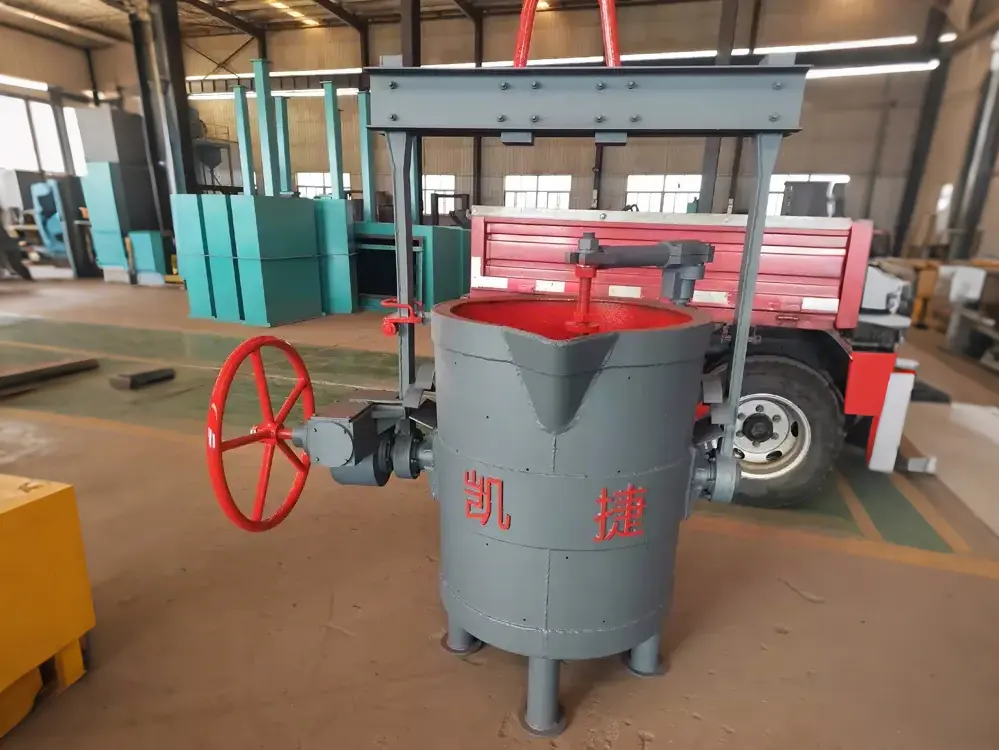
Key Enhancements in Pouring Precision
The following points illustrate how this specific mechanism elevates precision:
-
Flow Rate Control: The operator can finely adjust the lift height of the plug rod. A partial lift creates a small, manageable stream perfect for filling intricate cavities, while a full lift allows for a faster base fill. This variable control minimizes turbulence and reduces the risk of entrapping gases or slag.
-
Immediate Start-Stop Capability: The ability to instantly seal the nozzle by simply lowering the rod provides an immediate shut-off. This is critical for preventing over-pouring, reducing metal waste, and ensuring exact mold fill weights.
-
Consistent Stream Shape: By maintaining a constant ferrostatic pressure (the pressure of the liquid metal) above the nozzle, the plug rod system delivers a consistent, non-oxidizing stream. This consistency is vital for reducing reoxidation and maintaining the metallurgical integrity of the final product.
-
Bottom Pouring Advantage: Pouring from the bottom ensures that only clean metal from beneath the slag layer exits the ladle, directly contributing to higher casting quality.
Comparative Analysis: Plug Rod vs. Traditional Ladles
To better understand the performance benefits, the table below compares the Plug Rod Type Foundry Ladle with conventional pouring methods.
| Feature | Plug Rod Type Foundry Ladle | Traditional Lip Pour Ladle |
|---|---|---|
| Control Mechanism | Vertical stopper rod and nozzle | Tilting the entire vessel |
| Slag Inclusion Risk | Low (pours clean metal from bottom) | High (slag can flow over the lip) |
| Flow Rate Precision | High (fine adjustments via rod lift) | Low (dependent on tilt angle/skill) |
| Stream Start/Stop | Instantaneous and clean | Gradual and difficult to control |
| Maintenance Focus | Refractory rod and nozzle | Lip refractory and gearbox |
This mechanism is especially crucial in automated foundry lines. The rod can be actuated mechanically or hydraulically, allowing for seamless integration with robotic systems. This ensures that every pour is identical to the last, a standard that CEJER equipment is designed to meet.
Plug Rod Type Foundry Ladle FAQ
What is the primary advantage of using a Plug Rod Type Foundry Ladle over a lip pour ladle?
The primary advantage is the superior control over the molten metal stream. In a Plug Rod Type Foundry Ladle, the metal exits from the bottom through a nozzle, which is opened and closed by a vertical stopper rod. This allows for an immediate start and stop of the pour and a consistent flow rate. In contrast, a lip pour ladle relies on tilting, which makes it difficult to stop the flow instantly and often results in slag being carried over the lip into the mold, compromising casting quality.
How does the plug rod mechanism help in reducing casting defects?
The plug rod mechanism significantly reduces defects by ensuring a smooth, laminar flow of clean metal. By pouring from the bottom, it prevents slag and other impurities, which float on top of the molten metal, from entering the mold cavity. Furthermore, the precise flow control minimizes turbulence and air entrapment inside the mold, which are primary causes of porosity and inclusions in the final casting. This clean and controlled transfer is a hallmark of the Plug Rod Type Foundry Ladle design.
What maintenance is required for the plug rod assembly?
Maintenance for the plug rod assembly focuses on the refractory components. The stopper head, which seats into the nozzle, experiences wear from thermal shock and erosion. Operators must regularly inspect this head for cracks or erosion and replace it as part of routine maintenance. The nozzle itself also requires periodic inspection. CEJER designs these components for easy access and replacement, ensuring minimal downtime and that the Plug Rod Type Foundry Ladle continues to perform with high precision.
Upgrading your pouring equipment is a direct investment in your product quality. To learn more about how a Plug Rod Type Foundry Ladle from CEJER can optimize your foundry's output, we invite you to reach out to our team of experts.
Contact Us today for a detailed consultation and discover the precision difference for yourself.