

How Does Temperature Retention Compare in Long Nozzle Versus Traditional Ladies
2026-03-11
In the competitive landscape of metal casting, temperature control is not merely a technical detail—it is the defining factor of quality. When comparing temperature retention between a Long Nozzle Iron Pouring Ladle and a traditional open-bowl design, the data clearly favors modern engineering. At CEJER, we have analyzed this thermal dynamic to help foundries optimize their yield and reduce energy waste.
The physics of heat loss in molten iron is unforgiving. Traditional ladies, with their wide open mouths, radiate thermal energy directly into the atmosphere. Conversely, a Long Nozzle Iron Pouring Ladle utilizes a covered design and a channeled nozzle to trap radiant heat, acting as an insulator during transport.
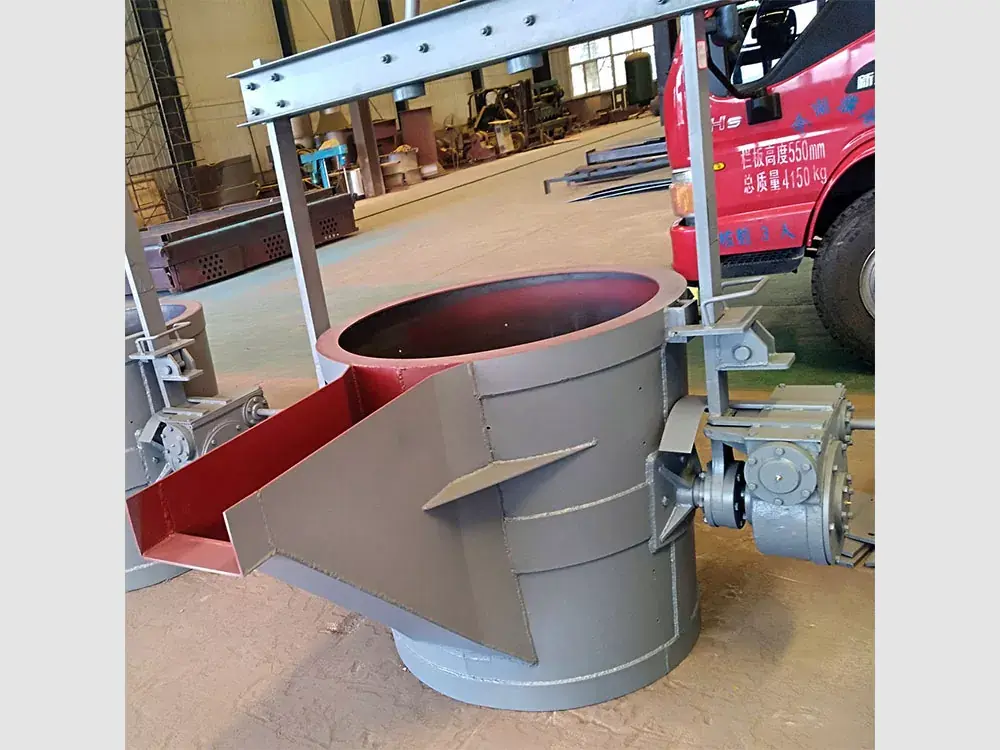
To illustrate this difference, consider the thermal loss factors in a standard foundry environment:
| Factor | Traditional Ladle | Long Nozzle Iron Pouring Ladle (CEJER) |
|---|---|---|
| Surface Area Exposure | Large open bath exposed to air | Confined to nozzle opening only |
| Radiation Loss Rate | High (Direct heat escape) | Low (Heat retained in reservoir) |
| Temperature Drop (per minute) | Approx. 15–20°F | Approx. 5–10°F |
| Skin Formation Risk | High (Oxidation on surface) | Minimal (Reduced air contact) |
The efficiency gain is substantial. By utilizing a Long Nozzle Iron Pouring Ladle, foundries can hold metal at the optimal pouring temperature for longer periods. This extended thermal stability allows for better mold filling and reduces the scrap rate caused by cold shuts. Furthermore, because less heat is lost, the energy required to superheat the iron in the furnace is significantly lower, driving down operational costs for facilities using CEJER equipment.
Beyond raw numbers, the consistency offered by the nozzle design ensures that the metallurgical properties of the iron remain stable from the first pour to the last. Traditional ladles often suffer from temperature stratification, where the metal at the top cools faster than the metal at the bottom, leading to inconsistent casting results. The design of the CEJER long nozzle system promotes a uniform thermal gradient, ensuring every casting meets the same rigorous standards.
Frequently Asked Questions
Q: How does the long nozzle physically prevent heat loss compared to a traditional ladle?
A: The mechanism is twofold. First, the refractory lining in a Long Nozzle Iron Pouring Ladle is typically more insulated around the cylindrical body. Second, the elongated nozzle creates a "thermal plug" effect. The molten iron in the narrow nozzle solidifies slightly at the very tip, creating a natural seal that stops radiant heat from escaping the main chamber, while still allowing flow when the ladle is tilted.
Q: Will switching to a long nozzle ladle reduce the need for superheating in my induction furnace?
A: Yes, significantly. Because the Long Nozzle Iron Pouring Ladle retains heat more effectively, you do not need to raise the furnace temperature as high to compensate for the temperature drop that occurs during transport and pouring. Clients using CEJER equipment report energy savings of 10-15% on their melting bills, as they can tap the furnace at a lower temperature while still hitting the correct pour temperature at the mold.
Q: Does the improved temperature retention affect the microstructure of the final casting?
A: Absolutely. Consistent temperature directly dictates the cooling rate and solidification of the iron. With the superior heat retention of a CEJER Long Nozzle Iron Pouring Ladle, the metal enters the mold at a precise, stable temperature. This prevents the formation of carbides in ductile iron or inconsistent graphite structures in gray iron, resulting in a denser, more reliable part with better machinability.
The thermal advantages of upgrading your equipment are clear. If you are ready to eliminate cold shuts and reduce energy consumption, the experts at CEJER are prepared to engineer a solution for your specific melt shop.
Contact us today to schedule a consultation and discover how our advanced ladle systems can transform your foundry workflow.