

How Does Laser Tattoo Removal Work?
2026-02-11
Abstract
Laser Tattoo Removal has become one of the most effective and widely accepted solutions for eliminating unwanted tattoos. However, many individuals still face concerns about safety, effectiveness, pain levels, recovery time, and suitability for different skin types. This article provides a comprehensive explanation of how laser tattoo removal works, what problems it solves, and what users should realistically expect throughout the process. By breaking down the technology, treatment stages, benefits, and limitations, this guide helps readers make informed decisions with clarity and confidence.
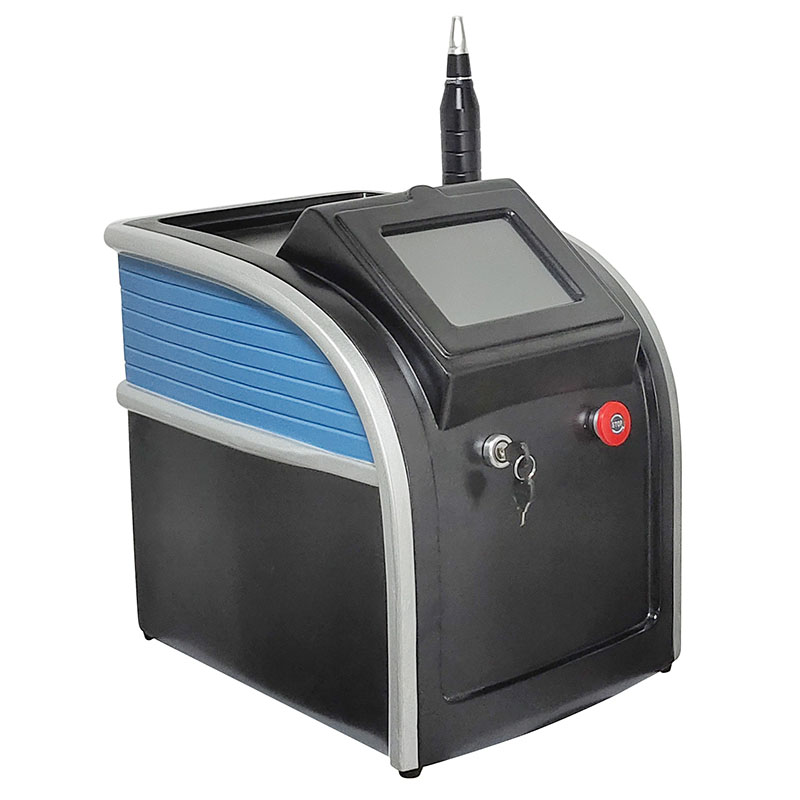
Table of Contents
- Understanding the Basics of Laser Tattoo Removal
- Common Problems People Face with Tattoo Removal
- How Laser Technology Targets Tattoo Pigment
- Key Advantages of Modern Laser Tattoo Removal
- Laser Tattoo Removal Process Explained Step by Step
- Skin Types, Ink Colors, and Treatment Outcomes
- Aftercare and Recovery Considerations
- Technical Parameters of Laser Tattoo Removal Systems
- Frequently Asked Questions
- Conclusion and Professional Support
Understanding the Basics of Laser Tattoo Removal
Laser Tattoo Removal is a non-invasive medical aesthetic procedure designed to break down tattoo ink particles embedded in the dermal layer of the skin. Unlike topical creams or surgical excision, laser-based methods focus on selective photothermolysis, a process that targets ink pigments without significantly damaging surrounding tissue.
This approach has gained popularity because it addresses the most common tattoo-related pain points: incomplete fading, scarring risks, prolonged downtime, and inconsistent results. With advancements in laser technology, modern systems now offer improved precision, faster recovery, and broader applicability across skin tones and ink colors.
Common Problems People Face with Tattoo Removal
Individuals seeking tattoo removal often encounter several challenges before choosing laser-based solutions:
- Traditional methods causing visible scarring or skin texture changes
- Inability to remove deep or multicolored ink effectively
- Extended healing periods affecting daily activities
- Uncertainty about safety for darker skin tones
- Concerns about pain and long-term skin damage
Laser Tattoo Removal directly addresses these concerns by offering controlled energy delivery, adjustable treatment parameters, and clinically proven outcomes.
How Laser Technology Targets Tattoo Pigment
Laser Tattoo Removal systems emit high-intensity light pulses at specific wavelengths. These wavelengths are selectively absorbed by tattoo ink pigments rather than surrounding skin tissue. Once absorbed, the ink particles rapidly heat and fragment into microscopic pieces.
The body’s immune system then gradually removes these fragmented particles through natural metabolic processes. Over multiple treatment sessions, the tattoo progressively fades until it becomes significantly lighter or fully removed.
This mechanism allows for precise targeting, making it possible to treat complex tattoos while preserving skin integrity.
Key Advantages of Modern Laser Tattoo Removal
Compared with earlier removal methods, laser-based treatments offer several distinct advantages:
- Non-invasive procedure with minimal skin trauma
- Reduced risk of scarring when performed correctly
- Customizable settings for different ink colors and skin types
- Shorter recovery time between sessions
- Progressive fading with predictable results
These benefits make laser tattoo removal a preferred option for both aesthetic clinics and individuals seeking reliable outcomes.
Laser Tattoo Removal Process Explained Step by Step
The treatment process typically follows a structured approach to ensure safety and effectiveness:
- Initial skin assessment and tattoo analysis
- Selection of appropriate laser wavelength and energy level
- Application of laser pulses to the tattooed area
- Immediate cooling or soothing to reduce discomfort
- Post-treatment care instructions to support healing
Multiple sessions are usually required, spaced several weeks apart, allowing the body sufficient time to eliminate ink particles between treatments.
Skin Types, Ink Colors, and Treatment Outcomes
The effectiveness of Laser Tattoo Removal depends on several variables, including skin tone, ink composition, tattoo depth, and age of the tattoo.
| Factor | Impact on Results |
|---|---|
| Black Ink | Easiest to remove due to high light absorption |
| Colored Ink | Requires specific wavelengths for optimal results |
| Lighter Skin Tones | Lower risk of pigmentation changes |
| Darker Skin Tones | Requires advanced settings to ensure safety |
Modern laser systems are designed to accommodate a wide range of these variables, making treatments more inclusive and predictable.
Aftercare and Recovery Considerations
Post-treatment care plays a critical role in achieving optimal results. Patients are generally advised to:
- Keep the treated area clean and protected
- Avoid sun exposure during the healing period
- Follow professional guidelines for skincare products
- Allow sufficient time between sessions for recovery
Proper aftercare minimizes complications and supports the body’s natural ink removal process.
Technical Parameters of Laser Tattoo Removal Systems
| Parameter | Description |
|---|---|
| Wavelength Range | Optimized for targeting different ink pigments |
| Pulse Duration | Ultra-short pulses reduce thermal damage |
| Energy Output | Adjustable to match skin type and tattoo depth |
| Cooling System | Enhances comfort and skin protection |
Frequently Asked Questions
Is laser tattoo removal painful?
Discomfort levels vary, but most individuals describe the sensation as manageable, especially with modern cooling technologies.
How many sessions are required?
The number of sessions depends on tattoo size, color, and ink density, with most cases requiring multiple treatments.
Can all tattoos be completely removed?
While many tattoos can be significantly faded or fully removed, results depend on individual factors such as ink type and skin response.
Conclusion and Professional Support
Laser Tattoo Removal offers a scientifically advanced, reliable solution for individuals seeking to remove unwanted tattoos without compromising skin health. By addressing common concerns such as safety, effectiveness, and recovery, modern laser systems have redefined what is possible in aesthetic treatments.
As a professional manufacturer and solution provider, Xiamen ELOS continues to focus on advanced laser tattoo removal technologies designed to meet clinical demands and user expectations. For customized solutions, technical consultation, or product inquiries, contact us to explore how professional laser systems can support your aesthetic practice.