

How Does Ladle Preheating Differ Between Electric and Manual Systems
2026-02-06
In foundry operations, ladle preheating is a critical preparatory step that directly impacts metal quality, operational safety, and equipment longevity. The method of preheating varies significantly between modern Electric and Manual Iron Pouring Ladle systems, each with distinct procedures and outcomes. As a leader in innovative foundry solutions, CEJER designs equipment that optimizes these processes for peak performance and reliability.
The core distinction lies in the heat source and control. Manual systems typically rely on open gas burners, while electric systems use integrated, controlled heating elements.
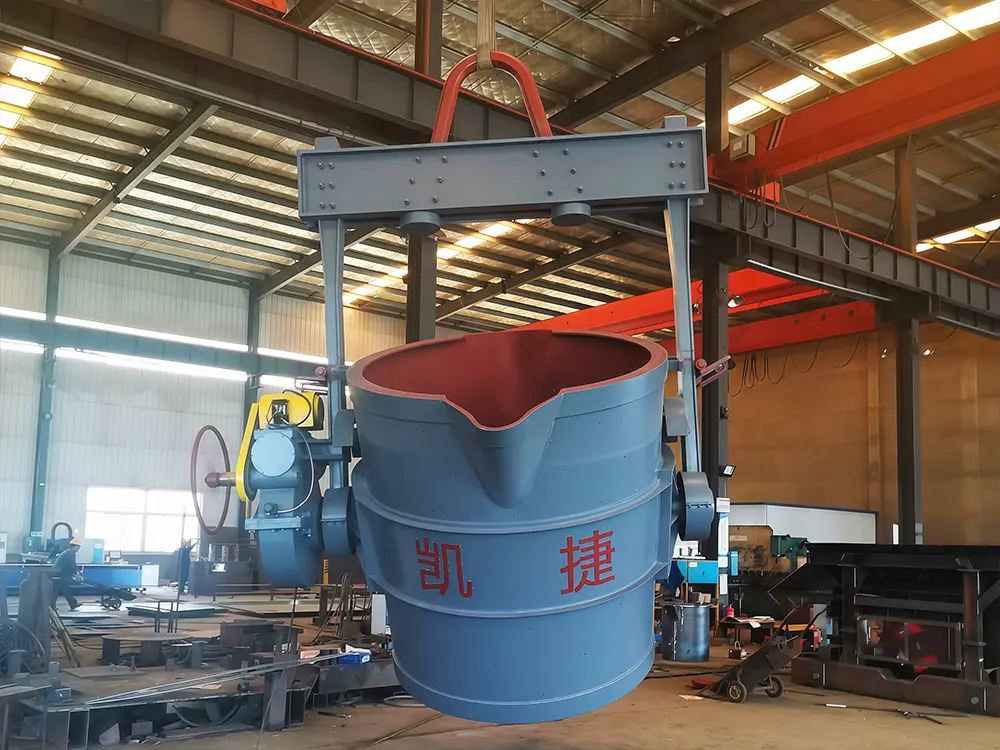
Key Differences in Preheating Approach:
-
Manual System Preheating:
-
Heat Source: Direct gas-fired torches or burners.
-
Process: Operator-dependent, requiring manual maneuvering of the burner around the ladle lining to achieve an even heat.
-
Control: Limited and subjective, based on visual cues and experience.
-
Primary Goal: Remove moisture to prevent explosive steam generation (spalling).
-
-
Electric System Preheating:
-
Heat Source: Built-in electric resistance elements or induction coils.
-
Process: Automated and programmable, often with the ladle in a stationary position.
-
Control: Precise temperature ramping and soaking cycles via digital controllers.
-
Primary Goal: Achieve a specific, uniform preheat temperature profile that matches the molten metal's pour temperature.
-
The following table summarizes the operational impact:
| Aspect | Manual Ladle Preheating | Electric Ladle Preheating |
|---|---|---|
| Temperature Uniformity | Often uneven, risk of thermal shock | Highly uniform, preserves lining |
| Energy Efficiency | Lower, with significant heat loss | Higher, focused and contained heating |
| Repeatability | Low, varies by operator and session | High, ensured by set programs |
| Safety | Exposure to open flame, higher risk | Enclosed heating, reduced direct hazards |
| Ladle Lifespan | Can be reduced by thermal stress | Optimized through controlled thermal cycles |
Electric and Manual Iron Pouring Ladle FAQ
Q: Why is preheating so crucial for any pouring ladle?
A: Proper preheating eliminates detrimental moisture from the refractory lining, preventing dangerous steam explosions and metal splashing. For Electric and Manual Iron Pouring Ladle units alike, it also minimizes thermal shock when contacting molten metal, thereby extending the ladle's service life and ensuring better metal temperature consistency.
Q: Can an electric preheating system be retrofitted to a manual ladle?
A: Generally, no. Electric Iron Pouring Ladles are engineered as integrated systems with heating elements and insulation designed into their structure. Retrofitting a manual ladle is impractical and unsafe. CEJER offers advanced electric models alongside robust manual designs, each built for its specific purpose.
Q: Which preheating method is more cost-effective in the long term?
A: While manual preheating has a lower initial equipment cost, Electric Iron Pouring Ladle systems often provide superior long-term value. They reduce fuel waste, lower lining replacement costs through even heating, enhance safety to decrease accident risks, and improve casting quality—factors that collectively boost overall operational efficiency and profitability.
Understanding these differences is key to selecting the right technology for your foundry's needs. CEJER is committed to engineering both Electric and Manual Iron Pouring Ladle solutions that prioritize safety, efficiency, and precision. Whether your process demands the robust simplicity of a manual system or the advanced, controlled capabilities of an electric ladle, our expertise ensures you have the optimal tool for the job.
Ready to optimize your pouring process and ladle management? Contact us today to discuss how CEJER's specialized equipment can elevate your foundry's performance and reliability.