
How Does Ceramic Wear Lining Improve Equipment Lifespan?
2026-02-10
Article Abstract
Ceramic wear lining has become a critical solution for industries facing severe abrasion, erosion, and impact challenges. From mining and power generation to cement, steel, and bulk material handling, equipment downtime and frequent replacement remain major cost drivers. This article provides a structured and practical overview of ceramic wear lining, explaining how it works, where it delivers the greatest value, and how it addresses common operational pain points such as premature wear, high maintenance frequency, and unstable performance under harsh conditions. The content focuses on material behavior, application scenarios, selection criteria, and long-term value for industrial users seeking reliable wear protection.
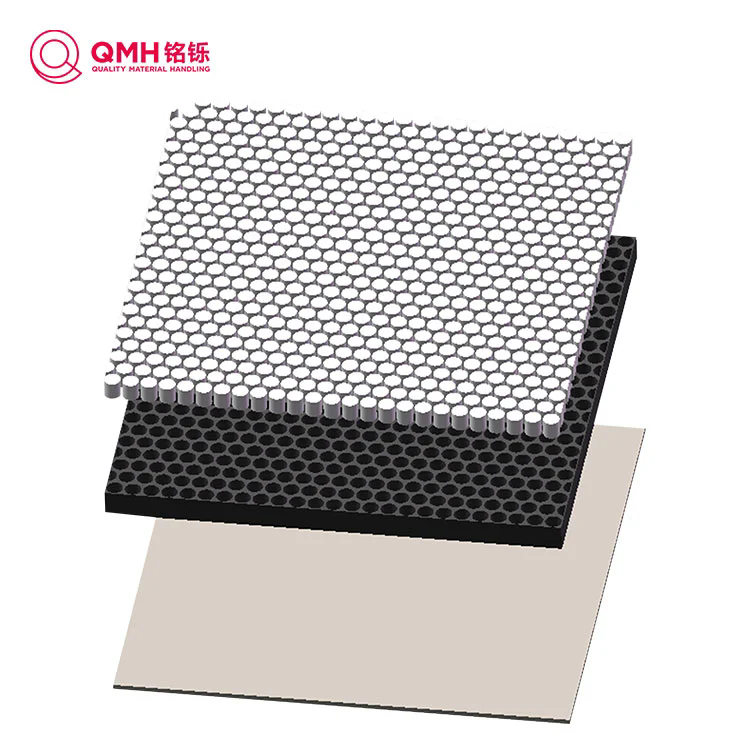
Table of Contents
- Article Outline
- What Is Ceramic Wear Lining
- Key Customer Pain Points in Wear Protection
- How Ceramic Wear Lining Works
- Materials and Structural Options
- Typical Industrial Applications
- How to Select the Right Ceramic Wear Lining
- Performance and Economic Benefits
- Frequently Asked Questions
Article Outline
- Definition and basic concept of ceramic wear lining
- Main wear-related challenges faced by industrial equipment
- Working principles behind ceramic wear resistance
- Material types and composite structures
- Application scenarios across heavy industries
- Selection considerations for long-term reliability
- Operational and economic value analysis
What Is Ceramic Wear Lining
Ceramic wear lining is a protective system designed to shield equipment surfaces from abrasive, erosive, and impact forces. It typically consists of high-hardness ceramic tiles or shapes bonded or embedded into a backing layer such as rubber, steel, or polymer. The ceramic component provides exceptional resistance to wear, while the backing layer absorbs impact and vibration, ensuring structural integrity during operation.
Unlike traditional wear-resistant steels or coatings, ceramic wear lining relies on the intrinsic hardness and chemical stability of ceramics. This makes it especially effective in environments where fine particles, high velocities, and continuous friction rapidly degrade conventional materials.
Key Customer Pain Points in Wear Protection
Industrial operators often encounter recurring problems when handling abrasive materials. These challenges directly affect productivity, safety, and operating costs.
- Frequent equipment shutdowns caused by liner failure
- High maintenance and labor costs due to repeated replacements
- Unstable material flow caused by uneven or damaged surfaces
- Reduced service life of chutes, hoppers, pipes, and cyclones
- Safety risks during emergency repairs and confined-space maintenance
Ceramic wear lining is specifically engineered to mitigate these issues by providing consistent, long-term surface protection under extreme conditions.
How Ceramic Wear Lining Works
The performance of ceramic wear lining is based on several physical and mechanical principles:
- High hardness: Advanced ceramics such as alumina offer hardness levels significantly higher than steel, minimizing surface wear.
- Low friction coefficient: Smooth ceramic surfaces reduce material adhesion and sliding resistance.
- Impact distribution: Composite designs spread impact energy across multiple tiles, reducing localized damage.
- Chemical stability: Ceramics maintain performance in corrosive or high-temperature environments.
By combining these properties, ceramic wear lining ensures predictable and durable protection even in continuous-duty applications.
Materials and Structural Options
Ceramic wear lining systems are available in various material grades and structural configurations, allowing adaptation to different operating conditions.
| Component | Common Options | Functional Role |
|---|---|---|
| Ceramic Material | Alumina (Al₂O₃), zirconia-based ceramics | Primary wear resistance |
| Backing Layer | Rubber, steel, composite polymers | Impact absorption and structural support |
| Bonding Method | Adhesive bonding, welding, mechanical fixing | System stability and installation reliability |
The correct combination of materials and structure directly influences service life and overall performance.
Typical Industrial Applications
Ceramic wear lining is widely adopted across industries where abrasive materials are transported or processed:
- Mining and mineral processing chutes and hoppers
- Power plant coal handling systems
- Cement plant cyclones and ducts
- Steel and metallurgical conveying equipment
- Bulk material pipelines and elbows
In these applications, ceramic wear lining helps maintain consistent flow geometry and reduces unexpected failures.
How to Select the Right Ceramic Wear Lining
Selecting a suitable ceramic wear lining requires a clear understanding of operating conditions rather than relying on a single performance indicator.
- Material size, hardness, and impact energy
- Operating temperature and chemical exposure
- Installation space and equipment geometry
- Maintenance strategy and access limitations
A tailored solution often delivers significantly better results than standardized liners. Working with experienced suppliers such as QMH ensures that the ceramic wear lining design aligns with real operating demands. For project-specific guidance and customized solutions, QMH encourages potential partners to contact us to discuss technical details and application requirements.
Performance and Economic Benefits
Beyond wear resistance, ceramic wear lining provides measurable operational and financial advantages:
- Extended equipment service life
- Reduced maintenance frequency and downtime
- Improved material flow efficiency
- Lower total cost of ownership over time
These benefits make ceramic wear lining a strategic investment rather than a short-term fix.
Frequently Asked Questions
Is ceramic wear lining suitable for high-impact environments?
Yes. When combined with rubber or composite backing layers, ceramic wear lining can effectively handle moderate to high impact while maintaining excellent abrasion resistance.
How long does ceramic wear lining typically last?
Service life depends on material characteristics and operating conditions, but ceramic wear lining often lasts several times longer than conventional steel liners in abrasive environments.
Can ceramic wear lining be customized for complex shapes?
Yes. Modern manufacturing and installation techniques allow ceramic wear lining to be tailored for curved surfaces, pipes, and irregular equipment geometries.
For industries seeking long-term protection against severe wear, ceramic wear lining represents a proven and adaptable solution. With application expertise and engineering support, QMH provides reliable ceramic wear lining systems designed to meet demanding operational requirements. To explore how these solutions can be adapted to specific projects, please contact us and engage with the QMH technical team.