

How Does Automation Impact the Efficiency of Lost Foam Casting Equipment
2026-03-04
In the competitive landscape of modern metal fabrication, the precision and speed of your production line depend heavily on the technology you employ. The integration of automated systems into lost foam casting equipment has shifted from a luxury to a necessity for foundries aiming for high throughput. At CEJER, we specialize in engineering solutions that harness this technology to maximize output while maintaining stringent quality controls.
Automation eliminates the variability inherent in manual operations. When applied to lost foam casting equipment, it streamlines the entire process—from pattern clustering to coating and sand compaction. This results in a seamless workflow that reduces cycle times and minimizes defects. Below, we break down the specific areas where automation generates the most significant impact.
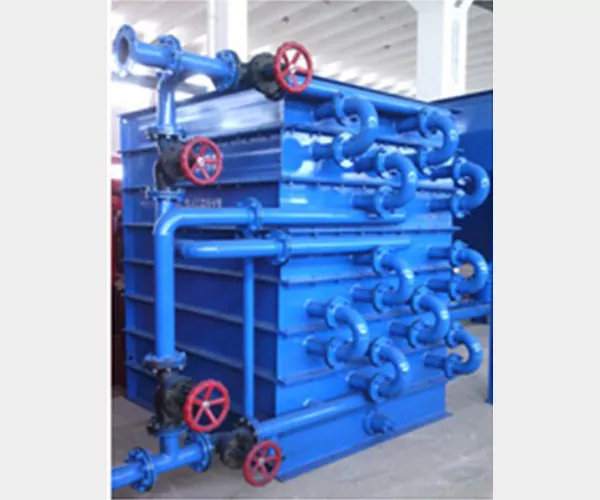
Key Efficiency Gains Through Automation
The table below outlines the primary differences between manual operations and automated systems within the lost foam process.
| Process Stage | Manual Operation Challenges | Automated CEJER Equipment Advantages |
|---|---|---|
| Pattern Assembly | Inconsistent glue application leading to casting defects. | Precision robotics ensure uniform adhesion and dimensional accuracy. |
| Coating Application | Varied coating thickness resulting in sand burn-on. | Programmable dipping and drying cycles guarantee consistent refractory layers. |
| Sand Compaction | Inconsistent vibration leading to pattern deformation. | Variable-frequency vibration tables optimize compaction for complex geometries. |
| Pouring | High risk of operator error and inconsistent fill rates. | Automated fill control reduces turbulence and improves metal yield. |
The Quantitative Benefits of Modernization
Implementing automation in your lost foam casting equipment yields measurable improvements. These are not just incremental changes but fundamental shifts in production capability.
-
Increased Production Speed: Automated handling systems can move patterns through the line 24/7 without fatigue, significantly boosting daily output.
-
Reduced Scrap Rates: Consistent process control means that variables like coating thickness and sand compaction are precisely managed, drastically lowering the chances of costly casting defects.
-
Lower Labor Costs: By automating repetitive and physically demanding tasks, you can reallocate skilled labor to quality control and process optimization, reducing overall operational expenses.
-
Energy Efficiency: Modern automated systems, like those designed by CEJER, optimize energy consumption by running motors and heaters only when necessary, rather than continuously.
Lost Foam Casting Equipment FAQ
To further clarify the value of automation, here are answers to common questions regarding lost foam casting equipment.
What specific components of lost foam casting equipment benefit most from automation?
The pre-expansion and pattern tooling stages see the most immediate benefit from precise automation, ensuring uniform bead quality. However, the most significant efficiency gains are usually seen in the material handling and compaction phases. Automated conveyors that move foam clusters through the drying oven and into the sand flask eliminate bottlenecks. Similarly, automated compaction tables that adjust vibration frequency based on the pattern's geometry ensure that every void is filled with sand, which is critical for preventing mold shift and casting flaws.
How does automation improve the consistency of the lost foam process compared to manual methods?
Manual processes are subject to human error and fatigue; two operators may apply glue differently, or an operator may not hold a pattern in the coating bath for the exact same duration each time. Automation, particularly with robotic arms and PLC-controlled systems, guarantees that every pattern cluster receives the same amount of glue, the same dip time, and the same spin cycle to remove excess coating. This uniformity means that once the process is dialed in, every casting produced will be an identical replica of the original pattern, which is the ultimate goal of the lost foam method.
Is it expensive to retrofit automation onto existing lost foam casting equipment?
The cost of retrofitting can vary widely depending on the age and condition of your current machinery. While a full system replacement from CEJER offers the highest level of integration and efficiency, modular automation components can sometimes be integrated into existing lines. For instance, adding an automated coating dip tank or a robotic pattern manipulator can provide a significant boost in efficiency without the capital expenditure of a completely new line. We recommend a professional audit to determine which upgrades will provide the best return on investment for your specific setup.
Conclusion
The impact of automation on lost foam casting equipment is clear: it transforms a skilled craft into a high-precision, repeatable manufacturing process. By reducing waste, increasing speed, and ensuring consistency, automated solutions provide the competitive edge required in today's market. CEJER is committed to providing the technology and support necessary to elevate your foundry operations.
Ready to discuss how CEJER can automate your production line for peak efficiency? Contact us today for a personalized consultation and equipment assessment.