
How Does an Overflow Dyeing Machine Improve Fabric Quality and Production Efficiency?
2026-03-26
Article Summary
An overflow dyeing machine is a critical solution for textile manufacturers aiming to achieve uniform dyeing, reduce fabric damage, and enhance production efficiency. This article explores how overflow dyeing machines work, their key advantages, and how they solve common industry challenges such as uneven dyeing, high energy consumption, and fabric distortion. It also provides guidance on selecting the right machine, operational tips, and answers to frequently asked questions.
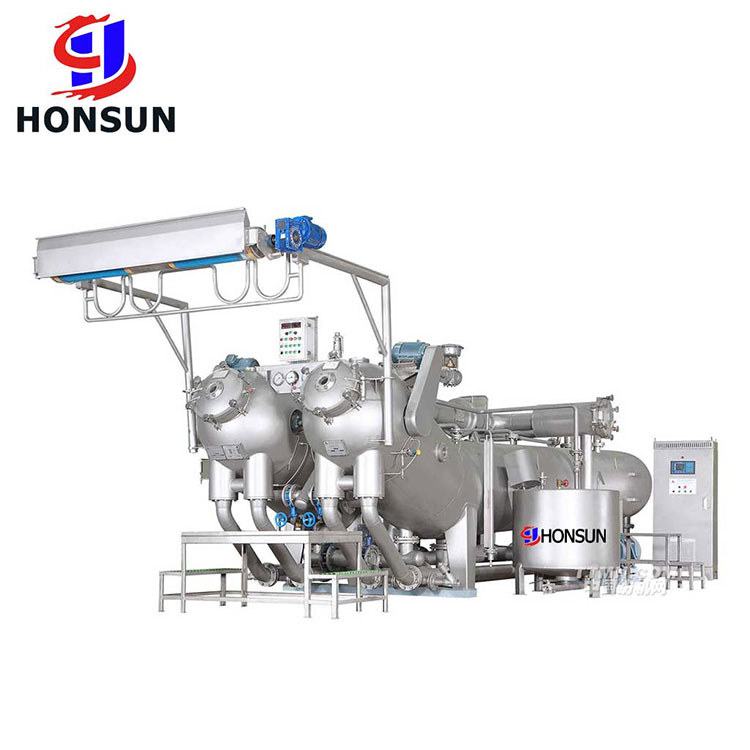
Table of Contents
- 1. What Is an Overflow Dyeing Machine?
- 2. How Does an Overflow Dyeing Machine Work?
- 3. Common Customer Pain Points in Dyeing
- 4. Key Advantages of Overflow Dyeing Machines
- 5. Technical Parameters and Features
- 6. How to Choose the Right Overflow Dyeing Machine
- 7. Operation and Maintenance Tips
- 8. Frequently Asked Questions
- 9. Conclusion
1. What Is an Overflow Dyeing Machine?
An overflow dyeing machine is a type of textile dyeing equipment designed to process delicate and lightweight fabrics such as cotton, polyester, silk, and blends. It uses a gentle circulation system where fabric is transported by the flow of dye liquor rather than mechanical force.
This method minimizes fabric tension and reduces the risk of creasing, making it ideal for high-quality textile production. Overflow dyeing machines are widely used in modern dyeing mills that prioritize consistency and fabric integrity.
2. How Does an Overflow Dyeing Machine Work?
The working principle of an overflow dyeing machine is based on continuous circulation of dye liquor combined with a low-tension fabric movement system.
- Fabric is loaded into a closed dyeing chamber
- Dye liquor is pumped and circulated at high flow rates
- The fabric is carried smoothly by the liquid flow
- Heat exchangers control temperature precisely
- Automated systems regulate dyeing cycles
This process ensures even penetration of dye into the fabric while preventing mechanical stress. Advanced models also feature programmable controls for consistent batch-to-batch performance.
3. Common Customer Pain Points in Dyeing
Textile manufacturers often face several challenges during the dyeing process, which directly impact product quality and operational costs.
- Uneven Dyeing: Inconsistent color distribution
- Fabric Damage: Creasing, stretching, or tearing
- High Water Consumption: Inefficient dyeing processes
- Energy Waste: Poor thermal management
- Low Productivity: Slow processing cycles
An overflow dyeing machine is specifically designed to address these issues through optimized fluid dynamics and automation.
4. Key Advantages of Overflow Dyeing Machines
Overflow dyeing machines offer multiple benefits that make them a preferred choice for modern textile operations.
- Gentle Fabric Handling: Reduces tension and prevents damage
- Uniform Dyeing: Ensures consistent color results
- Water Efficiency: Optimized liquor ratio reduces water usage
- Energy Savings: Efficient heating systems lower costs
- Automation: Reduces manual intervention and errors
Manufacturers such as Hongshun have developed advanced overflow dyeing machines that combine durability with high performance, making them suitable for various textile applications.
5. Technical Parameters and Features
| Parameter | Description |
| Capacity | Varies from small batches to large-scale production |
| Liquor Ratio | Low liquor ratio for water and chemical savings |
| Temperature Range | Up to 135°C for high-temperature dyeing |
| Control System | PLC or fully automated control panels |
| Material | Stainless steel construction for durability |
| Flow System | High-efficiency pump circulation |
These features ensure stable operation, precise control, and long-term reliability in demanding production environments.
6. How to Choose the Right Overflow Dyeing Machine
Selecting the appropriate machine depends on several technical and operational factors.
- Fabric Type: Lightweight or delicate fabrics require gentle systems
- Production Volume: Choose capacity based on output needs
- Automation Level: Higher automation improves consistency
- Energy Efficiency: Look for optimized heating and water usage
- Supplier Reliability: Ensure after-sales support and spare parts availability
Working with experienced manufacturers like Hongshun ensures access to reliable equipment and professional technical support.
7. Operation and Maintenance Tips
Proper operation and maintenance are essential for achieving optimal performance and extending machine lifespan.
- Regularly inspect pumps and circulation systems
- Clean filters and pipelines to prevent blockages
- Monitor temperature and pressure levels
- Calibrate control systems periodically
- Use recommended chemicals and dyes
Consistent maintenance reduces downtime and ensures stable dyeing quality across all production batches.
8. Frequently Asked Questions
Q1: What fabrics are suitable for overflow dyeing machines?
They are ideal for delicate and lightweight fabrics such as cotton, polyester, silk, and blends.
Q2: How does it reduce fabric damage?
The machine uses liquid flow instead of mechanical force, minimizing tension and friction on the fabric.
Q3: Is it energy efficient?
Yes. Modern designs include optimized heating systems and low liquor ratios, reducing both water and energy consumption.
Q4: Can it handle large-scale production?
Yes. Overflow dyeing machines are available in various capacities to meet different production requirements.
9. Conclusion
An overflow dyeing machine is an essential investment for textile manufacturers seeking to improve product quality, reduce operational costs, and enhance efficiency. Its advanced design ensures uniform dyeing, gentle fabric handling, and optimized resource usage.
With continuous innovation, companies like Hongshun are delivering high-performance solutions tailored to the evolving needs of the textile industry.
If you are looking to upgrade your dyeing process with reliable and efficient equipment, contact us today to discover how our solutions can support your business growth and deliver consistent, high-quality results.