

How Does an Ingersoll Rand Air Compressor Enhance Industrial Efficiency?
2026-03-24
Article Summary
Ingersoll Rand air compressors are critical tools for industrial, commercial, and workshop applications. They provide reliable compressed air for machinery, pneumatic tools, and automation systems. This article explains how Ingersoll Rand air compressors operate, their key features, types, maintenance tips, and how to choose the right model. With detailed technical tables, and practical guidance, readers can optimize performance and reduce operational costs.
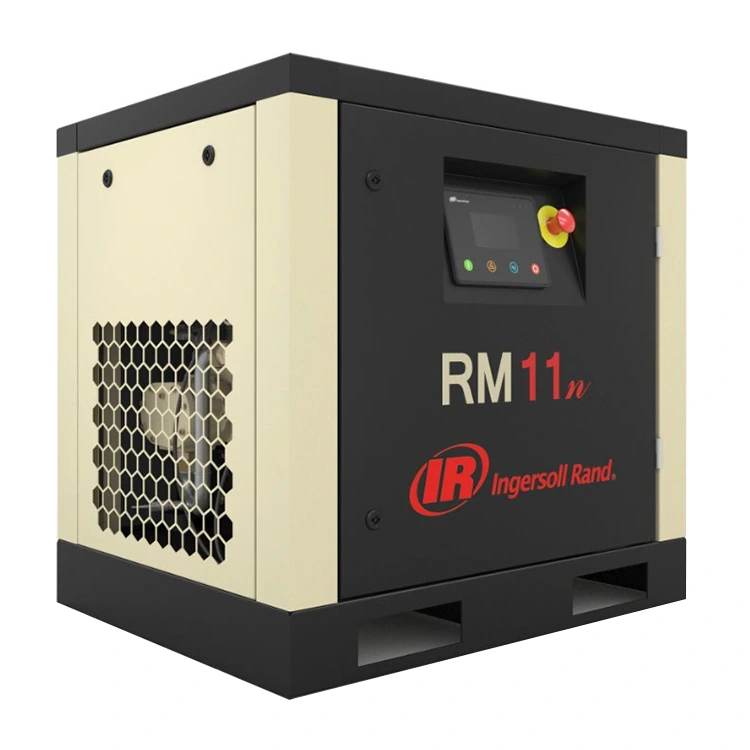
Table of Contents
- 1. What Is an Ingersoll Rand Air Compressor?
- 2. How Does It Work?
- 3. Why Should Customers Invest in One?
- 4. Key Features and Technical Specifications
- 5. Types of Ingersoll Rand Air Compressors
- 6. How to Choose the Right Compressor
- 7. Installation and Maintenance Guidelines
- 8. Frequently Asked Questions
- 9. Conclusion
1. What Is an Ingersoll Rand Air Compressor?
An Ingersoll Rand air compressor is a mechanical device that converts power into compressed air by using rotary or reciprocating mechanisms. This compressed air is used in industrial applications such as powering pneumatic tools, machinery, painting equipment, and automated systems.
Known for reliability and energy efficiency, Ingersoll Rand compressors are widely adopted in factories, workshops, and construction sites.
2. How Does It Work?
Ingersoll Rand air compressors operate by drawing in atmospheric air, compressing it within a chamber, and storing it in a tank. The process can be explained in several stages:
- Air Intake: Ambient air enters through a filter to remove dust and contaminants.
- Compression: Air is compressed using rotary screws or pistons, increasing pressure.
- Cooling: Compressed air is cooled to reduce moisture and prevent damage.
- Storage: High-pressure air is stored in a tank for continuous or intermittent use.
- Delivery: Compressed air is directed to tools or machinery via pipelines or hoses.
Modern models also integrate electronic controls to optimize energy usage, maintain constant pressure, and alert users to maintenance needs.
3. Why Should Customers Invest in One?
Investing in an Ingersoll Rand air compressor offers several advantages for industrial and commercial operations:
- Enhanced Productivity: Provides continuous, reliable compressed air for machinery and tools.
- Energy Efficiency: Advanced models reduce electricity consumption.
- Durability: Engineered for long-term industrial use with minimal downtime.
- Safety: Built-in safety mechanisms prevent overpressure and overheating.
- Cost Savings: Reduces maintenance costs and improves overall operational efficiency.
4. Key Features and Technical Specifications
| Parameter | Description |
| Compressor Type | Rotary screw, Reciprocating piston |
| Motor Power | 5 HP – 100 HP |
| Operating Pressure | 90 – 175 PSI (depending on model) |
| Air Delivery | 50 – 500 CFM |
| Voltage | 220V, 380V, 440V, 3-phase options |
| Control System | Digital display with pressure/temperature monitoring |
| Maintenance Interval | 1,000 – 2,000 hours depending on use |
5. Types of Ingersoll Rand Air Compressors
Different models serve different operational needs:
- Rotary Screw Compressors: Continuous operation, high efficiency, low noise.
- Reciprocating Piston Compressors: Suitable for intermittent use, small workshops.
- Portable Compressors: Lightweight and easy to move for onsite work.
- Oil-Free Compressors: Ideal for food, pharmaceutical, and clean air applications.
6. How to Choose the Right Compressor
Selection depends on system requirements, operational demands, and budget:
- Air Demand: Calculate required CFM and PSI for your machinery.
- Duty Cycle: Continuous vs. intermittent operation.
- Space and Installation: Consider available footprint and noise limitations.
- Energy Efficiency: Look for variable-speed drive models for electricity savings.
- Maintenance Support: Ensure access to spare parts and service networks.
7. Installation and Maintenance Guidelines
Proper installation and maintenance ensure maximum efficiency and longevity:
- Install on a flat surface with adequate ventilation
- Check electrical connections and safety devices
- Regularly inspect filters, oil levels, and belts
- Drain moisture from tanks and pipelines frequently
- Schedule professional servicing per manufacturer guidelines
8. Frequently Asked Questions
Q1: What is the typical lifespan of an Ingersoll Rand air compressor?
With proper maintenance, these compressors can last 10–15 years in industrial environments.
Q2: Can an air compressor reduce energy costs?
Yes. Efficient models, especially with variable-speed drives, lower electricity consumption significantly.
Q3: Is it difficult to install an Ingersoll Rand air compressor?
Installation is straightforward for qualified technicians. Proper setup ensures optimal performance.
Q4: Which industries benefit most?
Manufacturing, automotive, construction, food processing, and pharmaceutical sectors see the greatest benefits.
9. Conclusion
An Ingersoll Rand air compressor is an essential investment for industrial efficiency, reliability, and cost savings. By understanding operation principles, selecting the right type, and following maintenance guidelines, companies can maximize the return on investment.
Dechuan Compressor offers high-quality Ingersoll Rand air compressors designed for diverse industrial applications. For expert guidance, personalized recommendations, and support for your facility, contact us today to explore how our products can optimize your operations.