

How Does an Aquarium Tank Create a Stable Aquatic Environment?
2026-03-04
Article Summary
An aquarium tank is far more than a transparent container for water and fish. It is a carefully balanced system that supports aquatic life through structural strength, material safety, water stability, and long-term durability. This comprehensive guide explains how an aquarium tank works, how to select the right type for different applications, and how to avoid common problems faced by hobbyists, commercial operators, and designers.
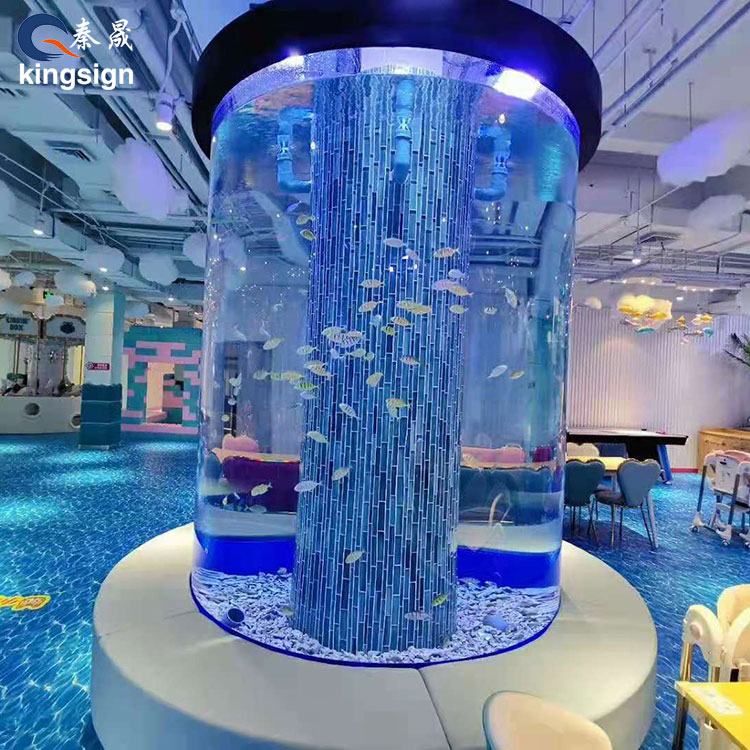
Table of Contents
- Content Outline
- Aquarium Tank Overview
- Common Customer Pain Points
- Aquarium Tank Materials Explained
- Structural Design and Safety
- How to Choose the Right Aquarium Tank
- Aquarium Tank Comparison Table
- Maintenance and Long-Term Performance
- Application Scenarios
- Frequently Asked Questions
- Conclusion and Contact Us
Content Outline
- Understanding the function of an aquarium tank
- Identifying key challenges users face
- Comparing glass and acrylic aquarium tanks
- Evaluating design, thickness, and safety factors
- Matching aquarium tanks to real-world applications
Aquarium Tank Overview
An aquarium tank is a sealed structure designed to hold water while providing a clear viewing environment for aquatic organisms. Its primary function is to maintain water containment, support stable pressure distribution, and allow for controlled interaction between aquatic life and external equipment such as filtration, lighting, and temperature regulation systems.
Modern aquarium tanks are used not only in homes but also in commercial displays, aquaculture facilities, research institutions, hotels, and public attractions. KINGSIGN specializes in manufacturing aquarium tank solutions that meet both functional and aesthetic requirements, ensuring clarity, strength, and long-term reliability.
Common Customer Pain Points
Many aquarium tank users encounter avoidable problems due to improper selection or design limitations. The most common pain points include:
- Tank cracking or deformation under water pressure
- Leaks caused by poor bonding or material fatigue
- Yellowing or reduced transparency over time
- Difficulty in cleaning and maintenance
- Limited customization options for size and shape
- Safety concerns in large or public installations
These issues highlight the importance of material quality, engineering design, and manufacturing precision when choosing an aquarium tank.
Aquarium Tank Materials Explained
Aquarium tanks are primarily manufactured from glass or acrylic, each offering distinct advantages depending on the application.
- Glass Aquarium Tanks – High scratch resistance, stable surface hardness, traditional appearance
- Acrylic Aquarium Tanks – Lightweight, higher impact resistance, superior clarity, flexible design potential
Acrylic aquarium tanks, such as those produced by KINGSIGN, are increasingly preferred for large-scale and custom installations due to their strength-to-weight ratio and optical performance.
Structural Design and Safety
Aquarium tank safety depends on precise structural engineering. Water pressure increases with tank height and volume, placing constant stress on panels and joints.
- Proper panel thickness calculation
- Uniform load distribution
- High-quality bonding and edge finishing
- Stress-relief treatment during fabrication
- Compliance with safety standards for public use
Professional design reduces the risk of leaks, bowing, or catastrophic failure, especially in large aquarium tanks used in commercial or public environments.
How to Choose the Right Aquarium Tank
Selecting the right aquarium tank requires evaluating practical and environmental factors rather than focusing solely on appearance.
- Intended use: residential, commercial, or public display
- Tank volume and installation location
- Material preference and durability requirements
- Compatibility with filtration and lighting systems
- Maintenance accessibility
KINGSIGN supports customers throughout the selection process by offering customized aquarium tank solutions tailored to specific project requirements.
Aquarium Tank Comparison Table
| Feature | Glass Aquarium Tank | Acrylic Aquarium Tank |
|---|---|---|
| Weight | Heavy | Lightweight |
| Impact Resistance | Low | High |
| Clarity | Good | Excellent |
| Customization | Limited | Highly Flexible |
| Typical Applications | Home aquariums | Large and custom installations |
Maintenance and Long-Term Performance
Proper maintenance extends the service life of an aquarium tank and ensures a healthy aquatic environment.
- Regular cleaning with non-abrasive tools
- Routine inspection of joints and seams
- Controlled water chemistry to prevent material stress
- Timely replacement of worn equipment
High-quality aquarium tanks require less corrective maintenance, reducing long-term operational costs.
Application Scenarios
Aquarium tanks are used across a wide range of industries and environments.
- Residential fishkeeping and aquascaping
- Hotels and commercial interior decoration
- Shopping malls and exhibition spaces
- Public aquariums and marine parks
- Scientific research and aquaculture
Frequently Asked Questions
How long does an aquarium tank last?
With proper materials and maintenance, an aquarium tank can last for decades.
Is acrylic safe for aquatic life?
Yes. High-quality acrylic used in aquarium tanks is non-toxic and safe for fish and plants.
Can aquarium tanks be customized?
Custom sizes, shapes, and thicknesses are available to meet specific project needs.
What causes aquarium tank leaks?
Leaks are typically caused by poor bonding, material fatigue, or improper installation.
Conclusion and Contact Us
An aquarium tank is the foundation of any successful aquatic system. Understanding materials, structural design, and application requirements allows users to avoid common problems while ensuring safety and long-term performance. Investing in a professionally engineered aquarium tank leads to better stability, clarity, and overall user satisfaction.
KINGSIGN is dedicated to delivering high-quality aquarium tank solutions with precision manufacturing and reliable performance. If you are planning a new aquarium project or upgrading an existing installation, contact us today to discuss your requirements and discover how KINGSIGN can support your vision with professional aquarium tank solutions.