

How Does an Air Source Water Chiller Optimize Cooling Efficiency?
2026-03-04
Article Summary
An air source water chiller is a highly efficient cooling solution designed to deliver stable chilled water for commercial, industrial, and residential applications. By extracting heat from water and dissipating it into ambient air, this system offers reliable temperature control, energy efficiency, and flexible installation. This article explains how an air source water chiller works, addresses common customer concerns, and provides clear guidance on system selection, operation, and long-term performance. It also highlights how Blueway delivers engineered solutions that meet diverse cooling demands.
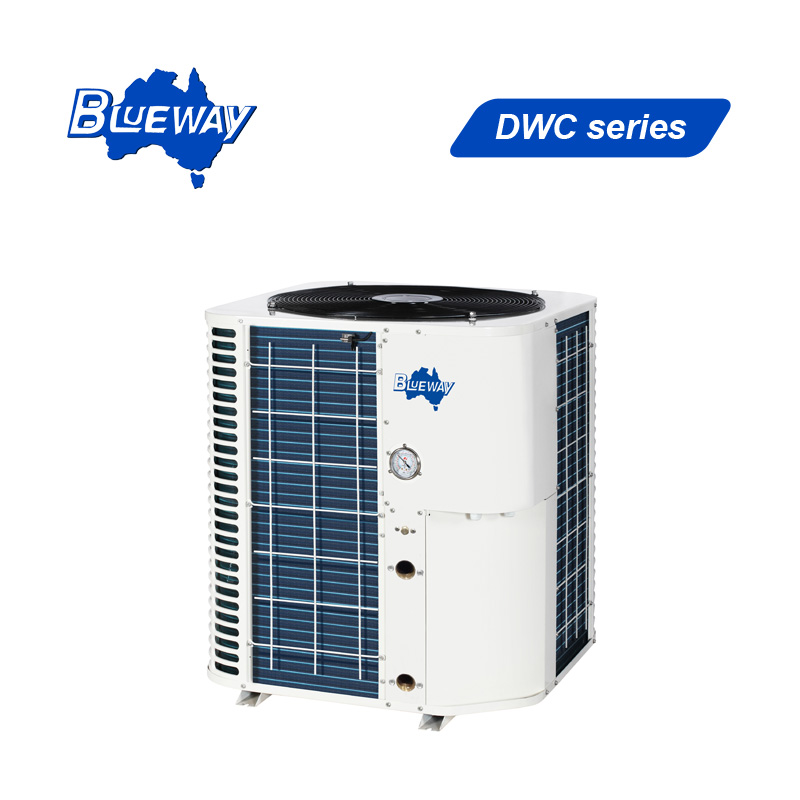
Table of Contents
- Content Outline
- Air Source Water Chiller Overview
- Key Customer Pain Points
- How an Air Source Water Chiller Works
- Core Advantages
- How to Select the Right System
- Performance Comparison Table
- Typical Applications
- Operation and Maintenance Considerations
- Frequently Asked Questions
- Conclusion and Contact Us
Content Outline
- Definition and system fundamentals
- Common operational and cost challenges
- Working principles and components
- Energy efficiency and environmental benefits
- Selection criteria and sizing guidance
- Application scenarios and use cases
- Maintenance, reliability, and lifecycle value
Air Source Water Chiller Overview
An air source water chiller is a cooling system that uses ambient air as the heat rejection medium to remove thermal energy from water. The chilled water is then circulated through terminals such as fan coil units, air handling units, or process equipment to deliver precise cooling.
Compared with water-cooled chillers, air source water chillers eliminate the need for cooling towers and complex water treatment systems. This makes them especially attractive for projects requiring simplified installation, lower maintenance, and reduced water consumption. Blueway has developed a range of air source water chiller solutions tailored for both comfort cooling and industrial process applications.
Key Customer Pain Points
Customers considering an air source water chiller often face several challenges during planning and operation:
- High energy consumption and unstable operating costs
- Insufficient cooling capacity during peak load conditions
- Complex installation requirements and space limitations
- Noise concerns in commercial or residential environments
- Unclear system compatibility with existing infrastructure
- Maintenance difficulties and long-term reliability risks
Addressing these pain points requires not only proper equipment selection but also a clear understanding of system design and operating conditions.
How an Air Source Water Chiller Works
The operation of an air source water chiller is based on a closed-loop refrigeration cycle. Core components include a compressor, evaporator, condenser, and expansion device.
- The evaporator absorbs heat from the circulating water
- The compressor raises the pressure and temperature of the refrigerant
- The condenser releases heat into the surrounding air
- The expansion device regulates refrigerant flow and pressure
Through this continuous cycle, the system delivers stable chilled water temperatures while maintaining efficient heat exchange with ambient air.
Core Advantages
An air source water chiller offers multiple benefits that directly address customer needs:
- No cooling tower or make-up water required
- Flexible installation for rooftops or outdoor spaces
- Lower initial infrastructure investment
- Reduced maintenance complexity
- Stable performance across a wide range of applications
Blueway designs air source water chillers with optimized heat exchangers and intelligent controls to ensure consistent efficiency and operational stability.
How to Select the Right System
Selecting an appropriate air source water chiller requires a systematic evaluation of technical and operational parameters:
- Required cooling capacity and load profile
- Chilled water supply and return temperatures
- Ambient temperature range and climate conditions
- Available installation space and noise limits
- Integration with existing HVAC or process systems
Proper system sizing is essential to avoid inefficiency, excessive cycling, or insufficient cooling during peak demand.
Performance Comparison Table
| System Type | Heat Rejection Method | Water Consumption | Maintenance Level |
|---|---|---|---|
| Air Source Water Chiller | Ambient Air | None | Low |
| Water-Cooled Chiller | Cooling Tower | High | High |
| Split Cooling System | Air | None | Medium |
Typical Applications
Air source water chillers are widely used in various sectors due to their adaptability:
- Commercial buildings such as offices and hotels
- Industrial process cooling
- Data centers and equipment rooms
- Medical and laboratory facilities
- Educational and public buildings
Their modular design allows easy expansion as cooling demands grow.
Operation and Maintenance Considerations
Proper operation and maintenance ensure long-term system efficiency:
- Regular inspection of heat exchangers and fans
- Monitoring refrigerant pressure and system parameters
- Maintaining clean airflow paths
- Ensuring correct water quality in the chilled loop
Blueway integrates intelligent monitoring features to simplify system management and reduce downtime.
Frequently Asked Questions
Is an air source water chiller suitable for hot climates?
Yes. With proper design and capacity selection, it can operate effectively across a wide ambient temperature range.
How does it compare in operating cost?
Lower water usage and simplified maintenance contribute to predictable and competitive operating costs.
Can it be used for industrial processes?
Yes. Many models are specifically engineered for continuous industrial cooling requirements.
What affects system lifespan?
Correct sizing, quality components, and routine maintenance significantly extend service life.
Conclusion and Contact Us
An air source water chiller provides a practical and efficient solution for reliable cooling across commercial and industrial environments. By understanding system operation, selection criteria, and maintenance requirements, users can maximize performance while minimizing long-term costs.
Blueway delivers professionally engineered air source water chiller solutions designed for stability, efficiency, and durability. If you are evaluating cooling options or planning a new project, contact us to discuss your requirements and learn how Blueway can support your application with tailored solutions.