
How Does a Wire Winding Machine Improve Precision and Efficiency in Modern Manufacturing?
2026-03-11
Article Summary
Wire winding machines are essential pieces of equipment used across industries such as electronics, transformers, motors, coils, and electrical components. Manufacturers rely on these machines to produce consistent, high-precision windings while reducing labor costs and increasing production speed. This article explains how a wire winding machine works, why it is important in industrial production, and how businesses can select the right machine for their needs. It also outlines the key features, advantages, common applications, and answers frequently asked questions to help buyers make informed decisions.
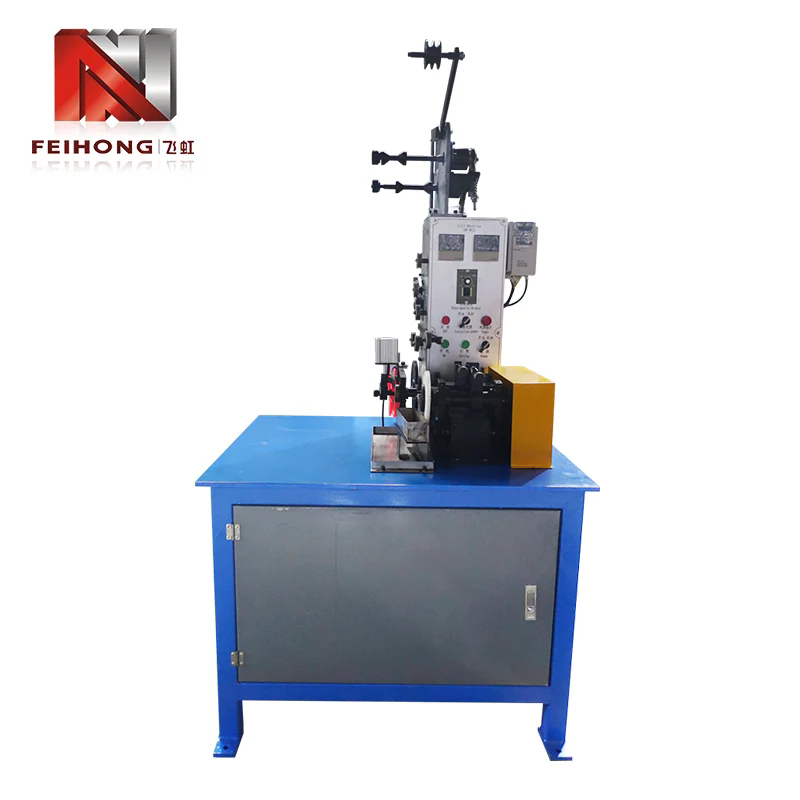
Table of Contents
- Introduction to Wire Winding Machines
- How a Wire Winding Machine Works
- Main Components of a Wire Winding Machine
- Key Advantages for Manufacturers
- Common Industrial Applications
- Wire Winding Machine Technical Parameters
- How to Choose the Right Wire Winding Machine
- Maintenance and Operational Best Practices
- Frequently Asked Questions
- Conclusion
Introduction to Wire Winding Machines
In industries that manufacture electrical components, precision winding is critical. Coils used in transformers, motors, inductors, and sensors require accurate tension, uniform layering, and consistent spacing. Manual winding processes often lead to inconsistencies, slower production cycles, and higher labor costs.
A wire winding machine is designed to automate this process. By controlling the rotation of the spool and guiding the wire across the winding surface, the machine ensures that each coil is produced with high repeatability and accuracy. Automated winding technology allows manufacturers to significantly improve production efficiency while maintaining strict quality standards.
Companies such as Feihong provide advanced winding solutions designed to meet the evolving needs of modern electrical manufacturing. These machines are widely used in industries where reliability and precision are critical.
How a Wire Winding Machine Works
A wire winding machine operates through a synchronized system of motors, controllers, and guiding mechanisms. The primary goal is to wrap wire around a core or spool in a controlled and precise manner.
The basic workflow includes several steps:
- The operator loads the wire spool and winding core onto the machine.
- The control system sets parameters such as speed, turns, and wire tension.
- A motor rotates the spindle while the wire guide distributes the wire evenly.
- The machine automatically counts winding turns.
- Once the preset number of turns is reached, the machine stops or continues to the next process.
Modern machines use programmable controllers and digital interfaces, allowing manufacturers to adjust winding patterns quickly for different product designs. This flexibility is essential for companies producing multiple coil types.
Main Components of a Wire Winding Machine
Understanding the main components helps operators use the equipment more effectively and maintain consistent production quality.
| Component | Function |
|---|---|
| Spindle System | Rotates the core or bobbin during the winding process. |
| Wire Guide Mechanism | Ensures the wire is distributed evenly across the winding area. |
| Tension Control System | Maintains stable wire tension to prevent breakage or deformation. |
| Control Panel | Allows operators to program winding parameters and monitor production. |
| Counting System | Tracks the number of winding turns with high accuracy. |
| Drive Motor | Provides the rotational force required for the winding process. |
Each component must operate in coordination to achieve precise winding results.
Key Advantages for Manufacturers
Modern manufacturing environments demand efficiency, precision, and scalability. A wire winding machine provides several significant advantages.
- High Precision – Automated control ensures consistent winding patterns.
- Improved Productivity – Machines can operate at high speeds while maintaining accuracy.
- Reduced Labor Costs – Automation minimizes the need for manual winding operations.
- Better Product Consistency – Uniform coils reduce failure rates in electrical components.
- Flexible Production – Programmable settings allow quick switching between different coil designs.
- Lower Material Waste – Accurate tension control reduces wire breakage.
For manufacturers aiming to scale production or improve product reliability, investing in a reliable winding machine is a practical solution.
Common Industrial Applications
Wire winding machines are widely used in various industries where electrical coils and windings are required.
- Transformer manufacturing
- Electric motor production
- Inductor and choke coil manufacturing
- Relay coil production
- Sensor manufacturing
- Automotive electrical components
- Home appliance motors
As electric vehicles, renewable energy systems, and smart devices continue to grow, the demand for high-quality coil production equipment is also increasing.
Wire Winding Machine Technical Parameters
Different machines offer varying capabilities depending on the production requirements. Below is a typical parameter overview.
| Parameter | Typical Range |
|---|---|
| Winding Speed | 0 – 3000 RPM |
| Wire Diameter | 0.02 mm – 2.5 mm |
| Spindle Power | 0.75 – 3 kW |
| Control System | Programmable Digital Controller |
| Turn Counting Accuracy | ±1 Turn |
| Machine Weight | 200 – 800 kg |
Actual specifications may vary depending on machine configuration and production requirements.
How to Choose the Right Wire Winding Machine
Selecting the right equipment requires careful evaluation of production needs. Buyers should consider several key factors before making a decision.
- Wire Diameter Range – Ensure the machine supports the required wire thickness.
- Production Volume – High-speed machines are essential for large-scale manufacturing.
- Automation Level – CNC or programmable machines provide greater flexibility.
- Winding Accuracy – Precision is critical for electronic components.
- Machine Durability – Industrial-grade materials ensure long service life.
- Technical Support – Reliable after-sales support improves operational stability.
Experienced manufacturers like Feihong offer multiple models designed for different industrial requirements, helping customers find solutions tailored to their production lines.
Maintenance and Operational Best Practices
Regular maintenance ensures optimal machine performance and extends equipment lifespan.
- Inspect wire guides regularly for wear or misalignment.
- Lubricate moving parts according to manufacturer recommendations.
- Check tension control systems to maintain consistent winding quality.
- Clean dust and debris from the spindle area.
- Verify calibration of turn-counting sensors.
Preventive maintenance reduces downtime and keeps production lines running efficiently.
Frequently Asked Questions
1. What types of wire can be used in a wire winding machine?
Most machines support copper wire, aluminum wire, enameled wire, and other conductive materials commonly used in electrical coil manufacturing.
2. Can a wire winding machine handle different coil sizes?
Yes. Adjustable settings and interchangeable fixtures allow machines to produce coils of varying sizes and shapes.
3. Is training required to operate the machine?
While modern machines feature user-friendly interfaces, basic operator training is recommended to ensure correct parameter configuration and safe operation.
4. How long does a wire winding machine typically last?
With proper maintenance and operation, industrial winding machines can function reliably for many years in continuous production environments.
Conclusion
Wire winding machines play a crucial role in modern electrical manufacturing. By delivering precision, efficiency, and automation, these machines enable manufacturers to produce high-quality coils for a wide range of applications. From transformers and motors to electronic devices, reliable winding technology ensures consistent performance and improved productivity.
As industries continue to demand higher efficiency and precision, advanced equipment from manufacturers like Feihong provides reliable solutions for coil production and electrical component manufacturing.
If your business is looking for dependable winding equipment that combines durability, precision, and advanced automation, now is the time to explore professional solutions. Contact us today to learn how Feihong wire winding machines can help improve your manufacturing efficiency and support your production goals.