

How Does a Wire Rope Sling Work?
2026-03-12
Summary: Wire rope slings are essential tools in industrial lifting operations, providing strength, flexibility, and reliability. This guide explores how wire rope slings function, their types, applications, maintenance tips, and safety measures to ensure efficient and secure lifting.
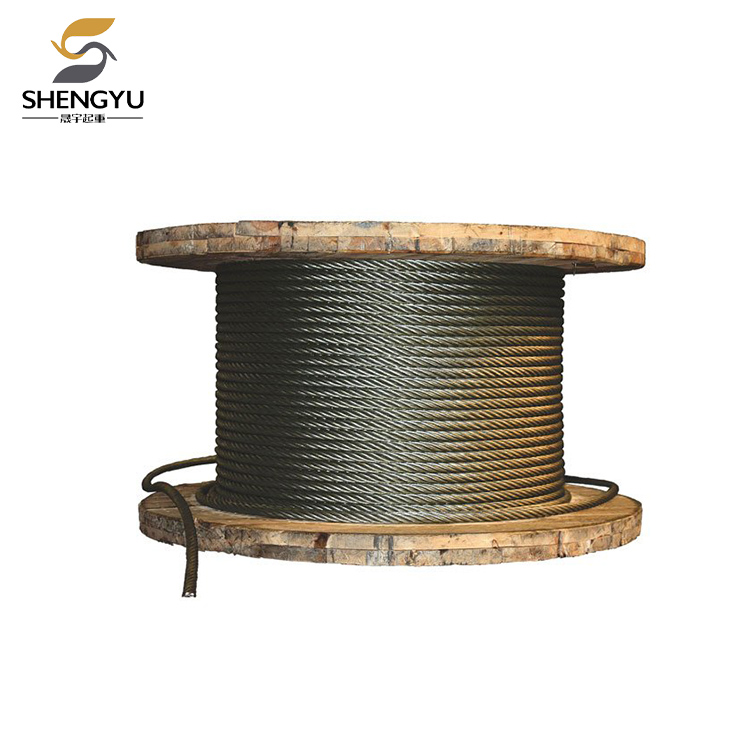
1. Overview of Wire Rope Slings
Wire rope slings are strong, flexible lifting devices made from multiple strands of steel wire twisted together to form a rope. These slings are commonly used in industrial, construction, and marine environments to lift and secure heavy loads safely.
The key advantages of wire rope slings include:
- High tensile strength capable of handling heavy loads.
- Durability and resistance to abrasion, heat, and corrosion.
- Flexibility to adapt to different lifting configurations.
- Long service life with proper maintenance.
2. Types of Wire Rope Slings
Wire rope slings come in several types, each designed for specific lifting needs:
- Single-Leg Slings: Used for straight lifting of loads with a single attachment point.
- Double-Leg (Y) Slings: Provide additional stability and are suitable for balanced lifting.
- Endless Wire Rope Slings: Looped continuously for versatile lifting configurations.
- Twisted and Braided Wire Rope Slings: Offer enhanced flexibility and shock absorption for sensitive loads.
3. Applications in Industry
Wire rope slings are used in a wide range of industrial applications, including:
- Construction: Lifting steel beams, heavy machinery, and prefabricated modules.
- Marine and Shipping: Hoisting cargo, anchors, and containers.
- Manufacturing: Moving raw materials, heavy equipment, and large assemblies.
- Energy and Power Plants: Handling turbines, generators, and transformers safely.
4. How to Select the Right Wire Rope Sling
Selecting the correct wire rope sling requires considering several factors to ensure safety and efficiency:
- Load Weight: Ensure the sling’s rated capacity exceeds the weight of the load.
- Load Configuration: Determine whether a single-leg, double-leg, or endless sling is appropriate.
- Environment: Consider exposure to heat, chemicals, or moisture that could affect sling performance.
- Attachment Points: Check the compatibility with hooks, shackles, or lifting beams.
5. Maintenance and Safety Guidelines
Proper care and inspection of wire rope slings are critical to prevent accidents and prolong their lifespan:
- Inspect slings before each use for frayed wires, broken strands, or corrosion.
- Lubricate the rope periodically to reduce friction and wear.
- Avoid dragging slings over sharp edges or rough surfaces.
- Store slings in a dry, well-ventilated area to prevent rusting.
- Follow manufacturer guidelines, such as those provided by DOHO, for safe lifting practices.
6. Wire Rope Sling Parameters
The following table summarizes common specifications and parameters for wire rope slings:
| Parameter | Description |
| Material | High-strength steel wire, galvanized or stainless |
| Construction | 6x19, 6x36, or custom strand patterns |
| Diameter | 6mm to 50mm (varies by application) |
| Working Load Limit (WLL) | Depends on diameter and sling type; usually from 1 ton to 50+ tons |
| Finish | Galvanized, stainless, or coated for corrosion resistance |
| End Fittings | Hooks, thimbles, eyelets, or custom hardware |
7. Frequently Asked Questions
Q1: How often should wire rope slings be inspected?
A1: Inspect slings before each use and conduct a detailed inspection monthly or according to lifting frequency and load conditions.
Q2: Can wire rope slings be repaired if damaged?
A2: Minor damage may be repairable by certified technicians, but heavily frayed or broken slings must be replaced to ensure safety.
Q3: What is the difference between a wire rope sling and a synthetic sling?
A3: Wire rope slings provide higher strength and durability, especially for heavy loads and harsh environments, while synthetic slings offer flexibility and lighter weight for delicate or non-abrasive lifting.