
How Does a Water Treatment System Improve Water Quality and Operational Efficiency?
2026-03-13
Article Summary
A water treatment system plays a critical role in ensuring that water used in industrial, commercial, and municipal environments meets safety and performance standards. Impurities such as suspended solids, microorganisms, heavy metals, and chemical contaminants can significantly impact production processes, equipment lifespan, and human health. Implementing an effective water treatment system helps remove these contaminants, ensuring reliable water quality while improving operational efficiency.
This article explains how a water treatment system works, its key components, common treatment technologies, and the practical benefits it provides to businesses and facilities. It also outlines important system parameters, application scenarios, and frequently asked questions that decision-makers often consider when selecting a treatment solution.
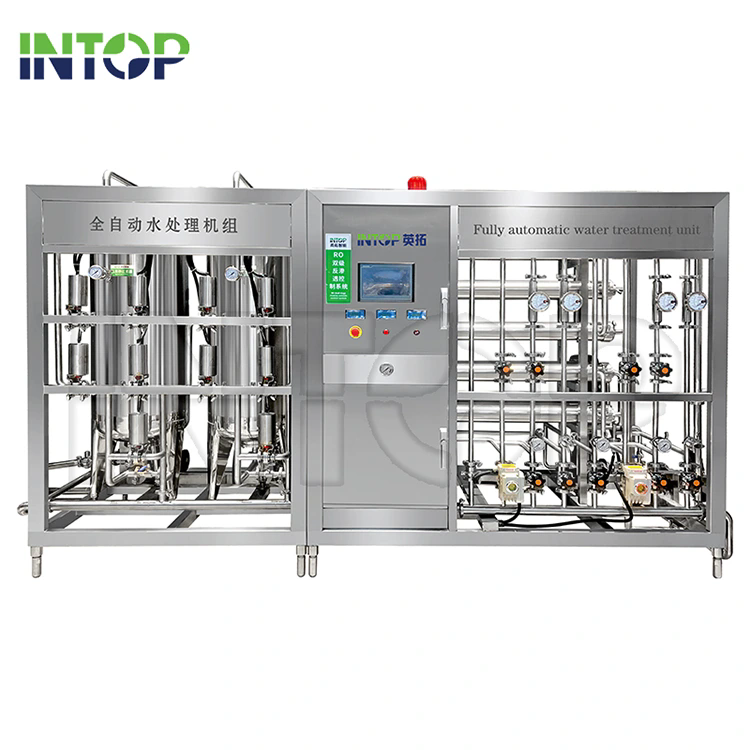
Table of Contents
- Introduction to Water Treatment Systems
- How a Water Treatment System Works
- Main Components of a Water Treatment System
- Common Water Treatment Technologies
- Typical System Parameters
- Key Benefits for Industrial and Commercial Users
- Application Scenarios
- Maintenance and Operational Considerations
- Frequently Asked Questions
- Conclusion
Outline
- Understanding the importance of water purification
- Step-by-step explanation of treatment processes
- Overview of treatment technologies
- System specifications and parameters
- Benefits and operational advantages
- Practical applications across industries
- Maintenance recommendations
- Frequently asked questions
Introduction to Water Treatment Systems
Water is an essential resource in industrial manufacturing, food processing, pharmaceutical production, power generation, and municipal infrastructure. However, raw water sources often contain contaminants such as sediments, bacteria, dissolved minerals, and organic compounds. Without proper treatment, these contaminants may damage equipment, affect product quality, and increase operational risks.
A water treatment system is designed to remove or reduce impurities from raw water so that it meets specific quality standards required for various applications. The system typically integrates multiple treatment processes, including filtration, chemical dosing, membrane separation, and disinfection.
Companies and facilities worldwide rely on integrated treatment solutions to maintain stable operations. Equipment manufacturers such as Intop provide engineered water treatment systems designed to address different industrial requirements, helping businesses manage water quality effectively.
How a Water Treatment System Works
A water treatment system works by passing raw water through a sequence of treatment stages. Each stage targets specific contaminants and gradually improves the water quality until it reaches the desired standard.
The typical workflow includes the following stages:
- Raw water intake and pre-screening
- Coagulation and sedimentation
- Filtration
- Membrane separation or advanced purification
- Disinfection
- Storage and distribution
During the initial stage, large particles such as sand and debris are removed through screening and sedimentation. Chemical coagulants may then be added to cause fine particles to clump together, making them easier to remove.
Filtration follows, using materials such as activated carbon or multi-layer filter media to capture suspended solids and organic compounds. In advanced treatment systems, technologies such as reverse osmosis or ultrafiltration are used to remove dissolved salts, microorganisms, and microscopic contaminants.
Finally, the water undergoes disinfection, commonly through ultraviolet light, ozone treatment, or controlled chemical dosing. This stage eliminates bacteria and viruses before the water is delivered for use.
Main Components of a Water Treatment System
Although configurations vary depending on the application, most systems include several core components that work together to ensure reliable treatment performance.
- Raw water pump
- Pre-treatment filtration unit
- Chemical dosing system
- Membrane filtration module
- Disinfection equipment
- Control system and sensors
- Storage tanks and pipelines
Automation systems monitor pressure, flow rate, and water quality indicators in real time. This enables operators to maintain stable system performance while minimizing manual intervention.
Common Water Treatment Technologies
Different technologies are used depending on the type of contaminants present in the raw water. Selecting the correct combination of processes is essential for achieving reliable treatment results.
| Technology | Primary Function | Typical Applications |
| Sand Filtration | Removes suspended solids and turbidity | Municipal water and industrial pre-treatment |
| Activated Carbon Filtration | Eliminates chlorine, odors, and organic compounds | Drinking water purification |
| Reverse Osmosis | Removes dissolved salts and heavy metals | Desalination and high-purity water |
| Ultrafiltration | Removes bacteria, viruses, and fine particles | Industrial and municipal treatment |
| UV Disinfection | Destroys microorganisms | Drinking water and wastewater reuse |
Typical System Parameters
When evaluating a water treatment system, decision-makers often review key performance parameters to ensure the equipment meets operational requirements.
| Parameter | Description |
| Processing Capacity | Amount of water treated per hour or per day |
| Operating Pressure | Required pressure for filtration or membrane operation |
| Filtration Accuracy | Particle size removal capability |
| Power Consumption | Energy required to operate pumps and equipment |
| Automation Level | Degree of automated monitoring and control |
| Material Construction | Stainless steel, carbon steel, or corrosion-resistant materials |
Key Benefits for Industrial and Commercial Users
Installing a well-designed water treatment system offers multiple advantages for businesses and facilities.
- Improves water purity and consistency
- Extends equipment lifespan by reducing scale and corrosion
- Enhances production efficiency
- Reduces maintenance and operational costs
- Supports environmental compliance and sustainability goals
In many industries, untreated water can cause scaling in boilers, cooling towers, and pipelines. Over time, this leads to reduced heat transfer efficiency and increased energy consumption. A properly designed treatment system helps prevent these issues.
Application Scenarios
Water treatment systems are widely used across multiple sectors where water quality directly impacts operational performance.
- Manufacturing plants
- Food and beverage processing
- Pharmaceutical production
- Power generation facilities
- Municipal water treatment plants
- Commercial buildings and hotels
Different industries require different treatment standards. For example, pharmaceutical facilities require extremely high water purity levels, while cooling systems primarily focus on scale and corrosion prevention.
Maintenance and Operational Considerations
Regular maintenance is essential to maintain system efficiency and extend equipment lifespan. Key maintenance practices include:
- Periodic replacement of filter media
- Cleaning or replacing membrane modules
- Monitoring water quality indicators
- Inspecting pumps and pipelines
- Calibrating sensors and control systems
Advanced treatment systems incorporate automated monitoring and alarm functions, allowing operators to quickly detect issues and maintain stable performance.
Frequently Asked Questions
Q1: How do I choose the right water treatment system?
The appropriate system depends on the raw water quality, required output standards, and daily water consumption. Conducting a water analysis is usually the first step in determining the correct configuration.
Q2: What is the lifespan of a water treatment system?
With proper maintenance, most industrial water treatment systems can operate effectively for 10 to 20 years. Components such as membranes and filters may require periodic replacement.
Q3: Can a water treatment system reduce operating costs?
Yes. By preventing scale buildup, reducing equipment wear, and improving efficiency, treatment systems can significantly lower maintenance and energy costs.
Q4: Is automation important in modern water treatment equipment?
Automation helps maintain consistent water quality by continuously monitoring parameters such as pressure, flow rate, and contaminant levels. This improves reliability and reduces manual workload.
Conclusion
A water treatment system is an essential investment for organizations that depend on stable and high-quality water supplies. Through processes such as filtration, membrane separation, and disinfection, these systems remove impurities and ensure water meets required quality standards.
By implementing a properly designed treatment solution, businesses can protect equipment, improve operational efficiency, and reduce long-term costs. Modern systems developed by experienced manufacturers such as Intop integrate advanced technologies and automated controls to provide reliable and scalable water purification solutions.
If your facility is looking for a dependable water treatment solution tailored to industrial requirements, the engineering team at Intop can help evaluate your needs and recommend the most suitable system configuration. Contact us to discuss your project and discover how a professionally designed water treatment system can support your operations.