

How Does a Water Bath Pasteurizer Support Consistent Thermal Processing in Food Production?
2026-01-19
Article Abstract
A Water Bath Pasteurizer is a widely adopted thermal processing system designed to ensure microbiological safety, product stability, and shelf-life extension for packaged food and beverage products. This article provides a structured and technical examination of Water Bath Pasteurizer systems, focusing on operational principles, product parameters, application environments, and performance considerations. The content addresses common operational questions, outlines future-oriented processing requirements, and offers a clear reference framework for procurement and engineering decision-making.
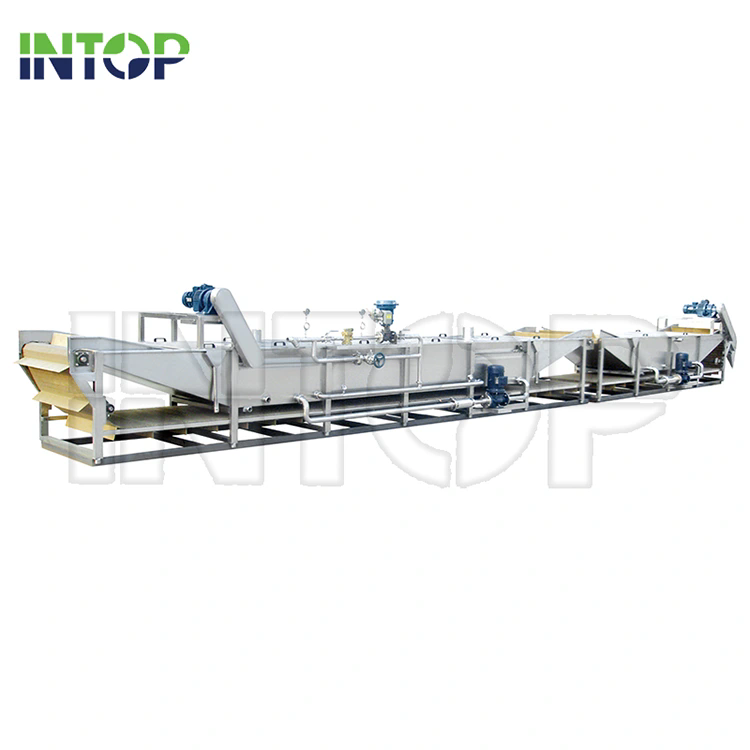
Table of Contents
- 1. Product Overview and Processing Principles
- 2. Technical Parameters and System Configuration
- 3. Application Scenarios and Operational Value
- 4. Common Questions and Practical Guidance
Outline
- Definition and role of Water Bath Pasteurizer systems
- Thermal control logic and heat transfer characteristics
- Key technical parameters and configuration options
- Industry applications and compliance requirements
- Frequently asked operational and selection questions
1. Product Overview and Processing Principles
A Water Bath Pasteurizer is a continuous or batch thermal processing system that utilizes heated water as a controlled heat transfer medium to pasteurize sealed food and beverage containers. The system is engineered to expose packaged products to a predefined temperature profile for a specified holding time, ensuring effective reduction of spoilage microorganisms while preserving product quality.
Unlike direct steam or dry heat systems, water bath pasteurization provides uniform heat distribution across container surfaces. This minimizes localized overheating, reduces container deformation risks, and supports consistent internal product temperatures. As a result, Water Bath Pasteurizers are commonly applied in dairy products, ready-to-drink beverages, sauces, canned foods, and retortable pouches.
The central objective of a Water Bath Pasteurizer is to achieve validated pasteurization values through controlled thermal exposure. Temperature sensors, circulation pumps, and automated control systems work together to maintain precise processing conditions throughout the pasteurization cycle.
2. Technical Parameters and System Configuration
Technical specifications are a critical reference point when evaluating Water Bath Pasteurizer systems. These parameters directly influence processing capacity, thermal accuracy, energy consumption, and integration with upstream and downstream equipment.
| Parameter | Typical Specification Range |
|---|---|
| Processing Temperature | 60°C – 100°C (adjustable) |
| Holding Time | 5 – 60 minutes (product dependent) |
| Throughput Capacity | 500 – 10,000 containers per hour |
| Tank Material | Food-grade stainless steel (SUS304 / SUS316) |
| Temperature Control Accuracy | ±0.5°C |
| Heating Method | Electric, steam, or hot water circulation |
| Control System | PLC with HMI interface |
System configuration can be adapted based on product type and production layout. Common configurations include single-zone units for small-scale production and multi-zone continuous systems with pre-heating, holding, and cooling sections for high-throughput operations.
Automation features such as data logging, alarm management, and recipe control enhance process repeatability and support compliance with food safety management systems. These features are particularly relevant in regulated production environments requiring documented thermal validation.
3. Application Scenarios and Operational Value
Water Bath Pasteurizer systems are applied across a broad range of food and beverage categories. Their versatility stems from the ability to handle diverse container formats, including glass bottles, metal cans, plastic bottles, and flexible pouches.
- Pasteurization of dairy-based beverages and flavored milk products
- Thermal processing of fruit juices and functional drinks
- Stabilization of sauces, condiments, and liquid seasonings
- Post-fill pasteurization for ready-to-eat packaged foods
From an operational perspective, Water Bath Pasteurizers offer predictable thermal performance and relatively simple maintenance requirements. Water acts as a stable heat transfer medium, reducing thermal gradients and supporting consistent product outcomes across production batches.
In addition, these systems align with increasing industry emphasis on process transparency and traceability. Integrated monitoring and recording functions allow processors to verify that each production run meets defined thermal criteria.
4. Common Questions and Practical Guidance
How does a Water Bath Pasteurizer differ from other pasteurization methods?
A Water Bath Pasteurizer uses heated water as the primary heat transfer medium, providing uniform thermal exposure to packaged products. Compared to steam or dry heat systems, this approach reduces temperature fluctuations and supports consistent internal product temperatures, particularly for sealed containers.
How is processing time determined for different products?
Processing time is defined by the target pasteurization value, product composition, container size, and thermal conductivity. Validation studies and heat penetration tests are typically conducted to establish appropriate temperature and holding time combinations for each product category.
How does system design support food safety compliance?
Water Bath Pasteurizers incorporate precise temperature control, continuous monitoring, and data recording capabilities. These features support compliance with food safety standards by providing verifiable evidence that products have undergone validated thermal treatment.
How can energy efficiency be optimized in water bath systems?
Energy efficiency can be improved through insulation, heat recovery systems, optimized circulation design, and accurate temperature control. Proper system sizing and maintenance also contribute to reduced energy consumption over the equipment lifecycle.
Conclusion and Industry Perspective
As food and beverage producers continue to prioritize product safety, consistency, and regulatory compliance, Water Bath Pasteurizer systems remain a reliable solution for controlled thermal processing. Their adaptability, uniform heat transfer characteristics, and compatibility with automated production lines support long-term operational stability.
Intop provides Water Bath Pasteurizer solutions designed to align with diverse processing requirements and industrial standards. Each system is developed with attention to thermal accuracy, material integrity, and operational reliability.
For detailed technical consultation, system configuration guidance, or application-specific recommendations, contact us to discuss processing objectives and production requirements with the Intop technical team.