
Summary: Telescopic handlers, often called telehandlers, are versatile machines designed for heavy lifting, material transportation, and construction site efficiency. This article explores how these machines work, their advantages, applications, maintenance tips, and answers common questions, helping businesses choose the right equipment to maximize productivity.
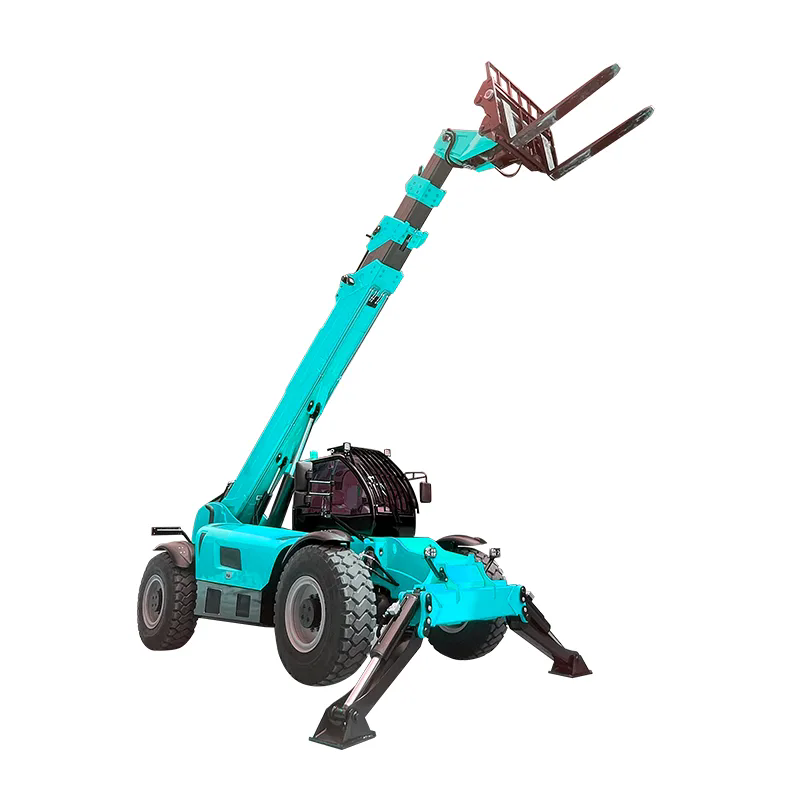
Table of Contents
- What is a Telescopic Handler?
- How Does a Telescopic Handler Work?
- Key Features and Advantages
- Common Applications
- Telescopic Handler Selection Guide
- Maintenance and Safety Tips
- FAQs About Telescopic Handlers
- Contact Foren
What is a Telescopic Handler?
A telescopic handler is a multi-purpose lifting machine widely used in construction, agriculture, and industrial sectors. It combines the capabilities of a forklift, crane, and loader in one compact machine. The distinguishing feature of a telehandler is its extendable boom, which allows operators to reach heights and distances beyond the reach of traditional forklifts.
Modern telehandlers are equipped with various attachments, including:
- Forks for pallets
- Buckets for material handling
- Lifting hooks for heavy loads
- Work platforms for personnel lifting
Foren offers a range of high-quality telehandlers suitable for different industries. Learn more at Foren Telescopic Handler.
How Does a Telescopic Handler Work?
The operation of a telescopic handler relies on its hydraulic boom system. The boom can extend and retract, tilt, and lift heavy loads with precision. Here's how the basic process works:
- Power System: Telehandlers use diesel or electric engines to power hydraulic pumps.
- Hydraulic Boom: The boom extends telescopically to reach high or distant locations.
- Attachment Control: Attachments like forks, buckets, or hooks are controlled via the operator cabin.
- Load Stabilization: Outriggers and stabilizers may be used for added safety when lifting heavy loads.
- Mobility: Four-wheel drive and adjustable steering allow telehandlers to navigate rough terrain efficiently.
This versatility allows operators to switch between lifting, loading, and moving tasks without changing machines, increasing productivity on job sites.
Key Features and Advantages
Understanding the benefits of a telescopic handler can help businesses make informed investment decisions. Key advantages include:
| Feature | Benefit |
|---|---|
| Telescopic Boom | Extends reach to access difficult areas safely |
| Multi-Attachment Capability | Enhances versatility for construction, agriculture, and logistics |
| All-Terrain Mobility | Operates efficiently on uneven or rough surfaces |
| Hydraulic Precision | Enables safe and accurate load placement |
| Compact Design | Easy maneuverability in confined spaces |
Foren telehandlers are designed to combine these features, providing both efficiency and reliability for diverse industrial applications.
Common Applications
Telehandlers are highly adaptable. Some of the most common use cases include:
- Construction Sites: Lifting building materials to higher floors.
- Agriculture: Handling hay bales, feed, and equipment in farms.
- Warehousing and Logistics: Loading and unloading goods quickly and safely.
- Industrial Facilities: Moving heavy machinery and supplies in factories.
- Maintenance Tasks: Raising work platforms for personnel safely to high locations.
Telescopic Handler Selection Guide
Choosing the right telehandler depends on specific operational needs. Consider the following criteria:
- Lift Capacity: Evaluate the maximum weight to be lifted.
- Reach Height: Determine how high the machine needs to extend.
- Terrain: Decide between rough terrain or standard mobility models.
- Attachments: Select the most relevant attachments for your tasks.
- Budget and Maintenance: Consider total cost of ownership including fuel and upkeep.
Foren provides professional consultation to match clients with the ideal telescopic handler model for their business needs.
Maintenance and Safety Tips
Proper maintenance ensures longevity and safety of your telehandler. Key tips include:
- Regularly inspect hydraulic systems and hoses for leaks
- Check tire condition and pressure
- Ensure all attachments are secured and functioning properly
- Follow manufacturer’s service schedule for engine and transmission
- Train operators thoroughly on safe handling and load limits
Implementing these practices reduces downtime and enhances operational efficiency on-site.
FAQs About Telescopic Handlers
Q1: What is the difference between a telehandler and a forklift?
A1: Telehandlers have extendable booms and can reach higher and farther than forklifts, which are limited to vertical lifting only.
Q2: Can telehandlers be used indoors?
A2: Some compact or electric models are suitable for indoor operations, but larger diesel models are better for outdoor use.
Q3: What attachments are most common?
A3: Forks, buckets, lifting hooks, and work platforms are the most versatile and widely used attachments.
Q4: How often should maintenance be done?
A4: Follow the manufacturer’s recommended schedule, but daily visual checks and weekly functional tests are advised.
Q5: Why choose Foren telehandlers?
A5: Foren combines high-quality engineering, reliability, and industry-specific solutions to maximize productivity for every customer.
Contact Foren
If you are looking to enhance your construction or material handling capabilities, Foren telescopic handlers offer the reliability and versatility you need. Explore our full range of models and attachments at Foren Telescopic Handler. For personalized consultation, competitive pricing, and expert support, contact us today and let our team help you find the perfect solution for your operations.