

How Does a Shockwave Therapy Machine Improve Pain Relief and Tissue Recovery?
2026-03-10
Article Summary
Musculoskeletal pain, chronic inflammation, and slow tissue healing are common challenges faced by rehabilitation clinics, physiotherapy centers, and sports medicine professionals. A Shockwave Therapy Machine has become an increasingly popular solution due to its non-invasive nature and its ability to stimulate natural healing processes within the body.
This article explains how a shockwave therapy device functions, the technology behind it, and the key benefits it offers in clinical and rehabilitation settings. It also explores practical selection tips, common treatment applications, and answers frequently asked questions to help medical professionals and equipment buyers make informed decisions.
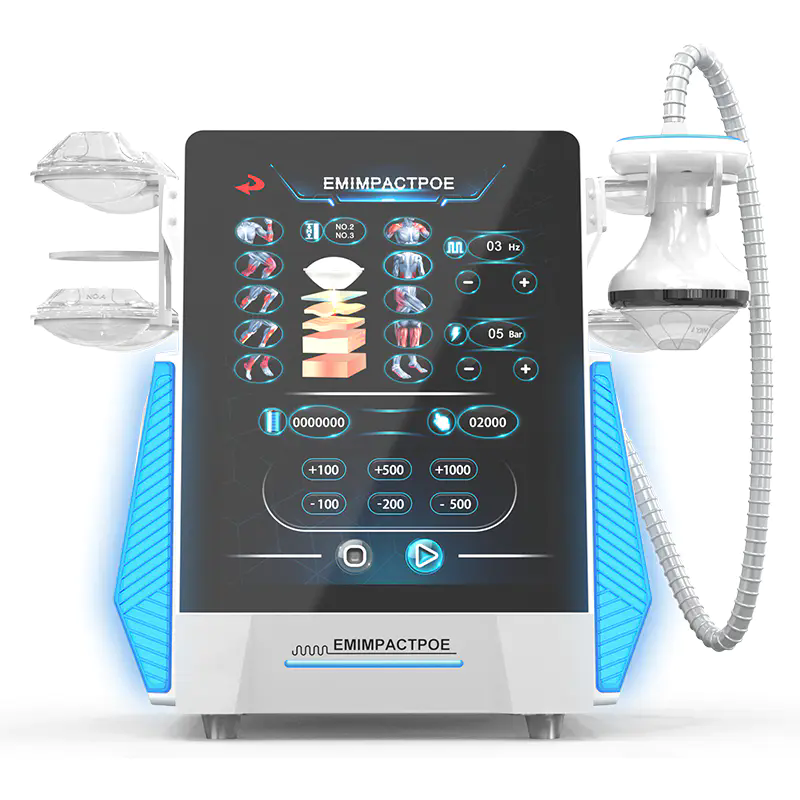
Table of Contents
- What Is a Shockwave Therapy Machine?
- How Does a Shockwave Therapy Machine Work?
- Key Components of Shockwave Therapy Equipment
- Major Clinical Applications
- Advantages of Shockwave Therapy Technology
- Important Parameters When Choosing a Device
- Typical Treatment Workflow
- Frequently Asked Questions
- Conclusion
Article Outline
- Introduction to shockwave therapy technology
- Working principle of acoustic wave energy
- Equipment structure and functional modules
- Common treatment areas in rehabilitation and sports medicine
- Benefits for clinics and patients
- Key purchasing considerations
- Clinical treatment process overview
- Frequently asked questions
What Is a Shockwave Therapy Machine?
A Shockwave Therapy Machine is a medical device designed to deliver high-energy acoustic waves to targeted areas of the body. These waves penetrate soft tissue and stimulate biological responses that promote healing, reduce pain, and improve blood circulation.
The technology was initially developed for medical lithotripsy but later evolved into a widely used treatment method in orthopedics, sports medicine, physiotherapy, and rehabilitation therapy.
The therapy is especially valuable for treating chronic conditions where traditional therapies such as medication or manual therapy provide limited relief.
How Does a Shockwave Therapy Machine Work?
The device generates controlled acoustic pulses that travel through the skin and into deeper tissue layers. These pulses create mechanical stress within the affected area, triggering biological reactions that accelerate the body's natural repair mechanisms.
The process generally includes several therapeutic effects:
- Stimulating blood microcirculation
- Breaking down calcified deposits
- Activating cellular regeneration
- Reducing inflammation
- Promoting collagen production
When the shockwaves reach damaged tissue, they stimulate metabolic activity and increase oxygen supply. As a result, healing processes become faster and pain sensitivity can decrease significantly.
Key Components of Shockwave Therapy Equipment
Modern shockwave therapy systems consist of several important modules that work together to generate and control the therapeutic energy.
| Component | Function |
|---|---|
| Shockwave Generator | Produces high-energy acoustic pulses used for treatment |
| Control Interface | Allows the operator to adjust treatment parameters such as frequency and energy level |
| Treatment Handpiece | Transfers shockwave energy from the generator to the targeted body area |
| Applicator Heads | Different shapes for treating various anatomical regions |
| Cooling and Protection System | Ensures stable operation and extends equipment lifespan |
High-quality equipment also includes intelligent control systems and adjustable therapy modes, improving both treatment accuracy and operator convenience.
Major Clinical Applications
Shockwave therapy technology is widely used in rehabilitation and musculoskeletal treatment because of its effectiveness in addressing chronic pain and soft tissue injuries.
Common treatment areas include:
- Plantar fasciitis
- Tennis elbow
- Calcific shoulder tendinitis
- Achilles tendinopathy
- Patellar tendinitis
- Chronic muscle pain
- Trigger points
- Sports injuries
Many rehabilitation specialists choose shockwave therapy as an alternative to surgical intervention or long-term medication use.
Advantages of Shockwave Therapy Technology
Compared with conventional treatment methods, shockwave therapy provides several practical advantages for both patients and medical professionals.
- Non-invasive treatment approach
- Short therapy sessions
- Minimal recovery time
- Reduced need for medication
- Suitable for chronic pain conditions
- High patient satisfaction rates
For clinics and therapy centers, introducing advanced treatment technology can also improve service capabilities and attract more patients seeking modern rehabilitation solutions.
Important Parameters When Choosing a Device
When selecting a shockwave therapy system for clinical or professional use, it is important to evaluate several key technical parameters.
| Parameter | Description |
|---|---|
| Energy Level | Determines the intensity of acoustic waves delivered during treatment |
| Frequency Range | Indicates the number of pulses delivered per second |
| Penetration Depth | Defines how deeply the shockwave energy can reach within tissues |
| Applicator Types | Different treatment heads designed for specific body areas |
| System Durability | Indicates the lifespan and stability of the equipment |
Medical providers should also consider usability, maintenance requirements, and manufacturer support when evaluating equipment options.
Typical Treatment Workflow
A standard shockwave therapy session usually follows a simple and efficient process:
- Patient assessment and diagnosis
- Identification of the treatment area
- Application of coupling gel
- Adjustment of energy and frequency settings
- Delivery of controlled shockwave pulses
- Post-treatment evaluation
Most treatment sessions last between 10 and 20 minutes depending on the condition being treated.
Frequently Asked Questions
Is shockwave therapy painful?
Patients may feel mild discomfort during treatment, especially in areas with severe inflammation. However, the sensation is usually tolerable and sessions are relatively short.
How many treatment sessions are required?
Most treatment plans involve 3 to 6 sessions spaced over several weeks, depending on the severity of the condition and the patient's response.
Is shockwave therapy safe?
When used by trained professionals and according to recommended guidelines, shockwave therapy is considered a safe and effective treatment method.
Who should avoid shockwave therapy?
Patients with blood clotting disorders, certain nerve conditions, or those who are pregnant should consult a healthcare professional before receiving treatment.
Conclusion
A Shockwave Therapy Machine provides an advanced and non-invasive solution for treating musculoskeletal pain and accelerating tissue recovery. By delivering targeted acoustic waves to injured areas, the technology stimulates natural healing mechanisms and improves treatment outcomes.
As demand for effective rehabilitation technologies continues to grow, many clinics and therapy centers are integrating modern shockwave therapy systems into their treatment programs.
Xiamen ELOS Photoelectric Technology Co., Ltd. focuses on the development and production of professional aesthetic and medical therapy equipment, providing reliable solutions for rehabilitation clinics, physiotherapy centers, and medical institutions worldwide.
If you are looking for high-performance shockwave therapy equipment or want to learn more about available models, specifications, and customization options, contact us today. Our team is ready to provide professional guidance and help you find the right solution for your clinical needs.