

How Does a Roadheader Compare to a Tunnel Boring Machine (TBM)
2025-12-26
In the world of underground excavation, two primary mechanical giants dominate the scene: the Roadheader and the Tunnel Boring Machine (TBM). For project planners and engineers, selecting the right equipment is critical to success. At Quan Yu, a leading provider of innovative excavation solutions, we understand that each project has unique demands. This comprehensive comparison will explore the key differences, applications, and advantages of both machines to guide your decision-making.
While both are used for tunneling, their operating principles are fundamentally different. A Roadheader is a track-mounted, flexible machine that uses a powerful cutting head to excavate material. It is highly versatile and can navigate complex tunnel shapes. In contrast, a TBM is a larger, more monolithic system that bores a circular tunnel by rotating a cutterhead against the face while installing segmental lining simultaneously.
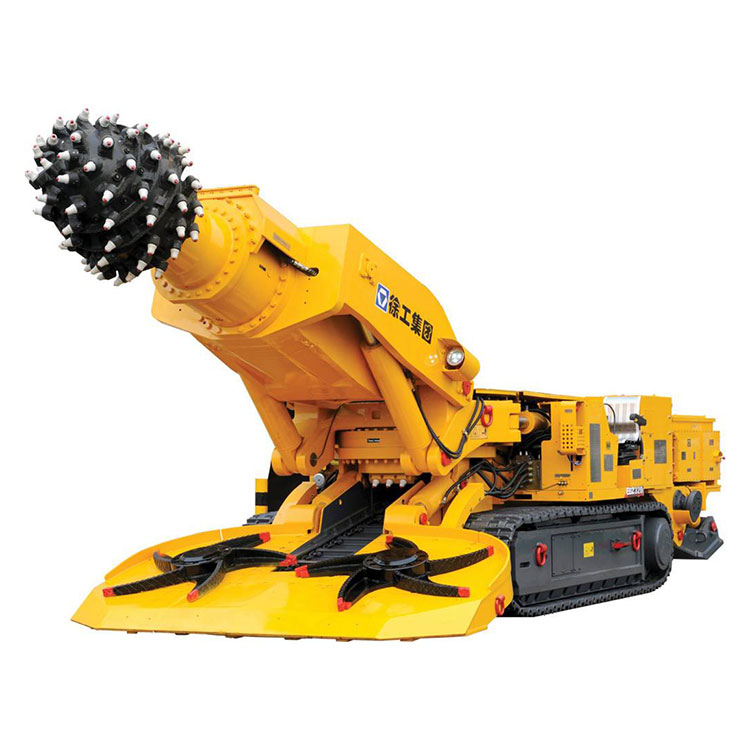
Key Factors of Comparison:
-
Flexibility vs. Speed: Roadheaders excel in adaptability, handling variable rock conditions and non-circular profiles. TBMs are faster in suitable, homogeneous ground for long, straight tunnels.
-
Cost & Setup: Roadheader systems generally have a lower initial capital cost and require less extensive launch infrastructure. TBMs represent a significantly higher investment and longer setup time.
-
Ground Support: Roadheader excavation allows for immediate and flexible ground support installation. TBMs typically install pre-cast segments as an integral part of the boring cycle.
Roadheader vs. TBM: Technical Comparison Table
| Feature | Roadheader | Tunnel Boring Machine (TBM) |
|---|---|---|
| Tunnel Shape | Highly flexible (horse-shoe, rectangular, etc.) | Primarily circular |
| Geology Suitability | Best in soft to medium-hard rock, variable strata | Ideal for homogeneous soft ground to hard rock |
| Maneuverability | High; can turn and adjust easily | Very low; follows a set alignment |
| Initial Investment | Lower | Very High |
| Optimal Project Length | Short to medium drives, complex layouts | Long, continuous tunnels |
| Ground Support | Installed separately after excavation | Often installed concurrently via segmental lining |
Roadheader FAQ
What are the main advantages of a Roadheader?
The primary advantages are its exceptional flexibility and lower entry cost. It can create multiple tunnel cross-sections, adapt to changing geological conditions on the fly, and is ideal for projects like metro stations, caverns, and shorter tunnels where a TBM's setup cost and rigidity are not justified.
How does a Roadheader handle different rock types?
Modern Roadheaders from advanced manufacturers like Quan Yu are equipped with cutting heads that can be fitted with different tool types (picks, discs). Their selective cutting action allows the operator to adjust the cutting pattern and force based on the encountered rock strength, making them effective from soft clay to moderately hard rock.
What is the typical maintenance routine for a Roadheader?
Routine maintenance is focused on the cutterhead tools, hydraulic systems, and tracks. Daily checks include inspecting and replacing worn picks, monitoring hydraulic fluid levels and pressures, and cleaning dust filters. Regular, planned servicing of major components like pumps, motors, and electrical systems is crucial to prevent downtime and ensure longevity.
Choosing between a Roadheader and a TBM is not about which machine is superior, but which is the optimal tool for your specific project’s geology, geometry, and economics. For complex, shorter tunnels, or projects demanding profile flexibility, a Roadheader often presents the most efficient and economical solution.
Ready to navigate your next tunneling challenge with the right equipment? Contact Quan Yu today. Our experts will analyze your project parameters and recommend the most effective Roadheader or excavation strategy to ensure your project’s success.