
How Does a Pipe Straightening Machine Improve Manufacturing Efficiency?
2026-02-05
Article Summary: This article explores the practical challenges faced by metalworking and fabrication operations when it comes to pipe straightening. It explains how a Pipe Straightening Machine works, the key benefits it offers, how to choose the right model, and real-world considerations for implementation. The goal is to help decision-makers understand how this equipment can reduce waste, improve quality, and streamline production processes.
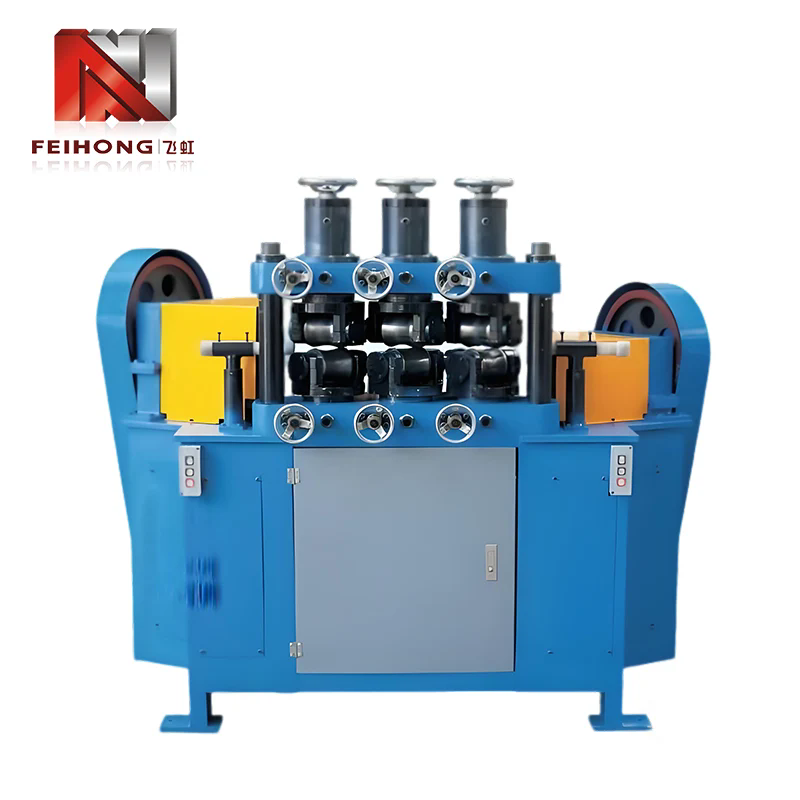
Table of Contents
- Common Challenges in Pipe Straightening
- How a Pipe Straightening Machine Works
- Key Benefits of Using a Pipe Straightening Machine
- Selecting the Right Pipe Straightening Machine
- Best Practices for Operation and Maintenance
- Frequently Asked Questions
- Conclusion
Common Challenges in Pipe Straightening
In fabrication, bending, and welding operations, uneven pipe straightness can lead to:
- Production Delays: Manual rework or rejection of bent pipes increases cycle time.
- Material Waste: Warped or bent pipes often must be scrapped, increasing costs.
- Inconsistent Quality: Uneven shapes affect fit-up and joint integrity.
- Operator Fatigue: Repetitive manual straightening is labor-intensive and prone to error.
These pain points underscore the need for automated, reliable straightening solutions that deliver consistent results with less labor and higher throughput.
How a Pipe Straightening Machine Works
A Pipe Straightening Machine is engineered to correct bending anomalies in round, square, or custom-profile pipes. It uses a series of rollers and calibrated pressure points to recondition pipes back to their intended straight profile.
| Component | Function |
|---|---|
| Feeding Rollers | Guide pipe into straightening path |
| Straightening Rollers | Apply controlled pressure to eliminate bends |
| Drive System | Ensures consistent movement and throughput |
| Control Panel | Adjust speed and pressure settings for different materials |
Through these elements, pipes are processed with precise force distribution along multiple axes, ensuring that residual stresses are minimized and surface integrity is maintained.
Key Benefits of Using a Pipe Straightening Machine
Investing in a purpose-built pipe straightener yields advantages that directly address the common challenges listed above:
- Improved Dimensional Accuracy: Automated systems apply consistent correction forces, eliminating guesswork.
- Reduced Rework: Fewer defects mean less time wasted on manual adjustments or scrapping material.
- Higher Throughput: Automated feed and processing cycles deliver faster results than manual methods.
- Enhanced Operator Safety: Reducing manual handling lowers the risk of strain injuries.
These benefits contribute to a leaner, more predictable production workflow that can handle higher volumes with better quality control.
Selecting the Right Pipe Straightening Machine
Not all applications require the same machine specifications. Key factors to consider when evaluating options include:
- Pipe Diameter Range: Machines are often rated for specific size bands; choose one that matches your primary throughput needs.
- Material Hardness: Thicker or harder materials require higher-capacity rollers and power systems.
- Production Volume: High-volume operations benefit from fully automated feeders and controls.
- Footprint and Integration: Consider space on the shop floor and how the machine integrates with existing lines.
For example, Feihong offers a range of pipe straightening solutions that accommodate diverse diameters and wall thicknesses, flexible enough for small workshops and large-scale fabrication facilities alike.
Best Practices for Operation and Maintenance
To maximize uptime and reliability:
- Train operators on proper setup and adjustment of roller sequences.
- Establish routine lubrication schedules for bearings and drive components.
- Inspect rollers for wear periodically and replace when necessary.
- Calibrate pressure settings for different materials to avoid over-stressing pipes.
Routine maintenance not only extends the life of the machine but also maintains the quality of output over time.
Frequently Asked Questions
What materials can a Pipe Straightening Machine handle?
Most machines are designed for a variety of metals including mild steel, stainless steel, aluminum, and copper. Always verify the specific model’s compatibility with your material type and thickness.
How fast can a Pipe Straightening Machine operate?
Operational speed depends on diameter, material, and the machine’s power rating. Automated feed systems can process hundreds of feet per hour in many industrial settings.
Can a pipe straightener handle both round and square profiles?
Some machines are configurable for multiple profiles with interchangeable rollers. If your production mix includes both round and square pipes, choose a model that supports quick-change tooling.
Is an operator required at all times?
For fully automated systems, once setup is complete and safety parameters are in place, operators may only need to monitor the process and replenish stock. Semi-automated units require more frequent intervention.
Conclusion
Understanding how a Pipe Straightening Machine works and selecting the right system can transform your fabrication process. By reducing rework, improving accuracy, and enhancing throughput, these machines address core pain points in metalworking environments. Companies like Feihong design solutions suited for varied production demands, from low-volume specialty shops to high-volume industrial plants.
If you are ready to improve your manufacturing efficiency and product quality with a reliable pipe straightening machine, contact us today to discuss your needs and discover the best solution for your operation.