

How Does a Mold Washing Machine Improve Industrial Cleaning Efficiency?
2026-04-09
Abstract: Mold contamination, residue buildup, and inefficient manual cleaning processes can significantly impact production quality and operational costs. A Mold Washing Machine provides a systematic, automated solution to ensure precision cleaning, reduce downtime, and extend mold lifespan. This article explores how these machines work, their advantages, and how to select the right system for your needs.
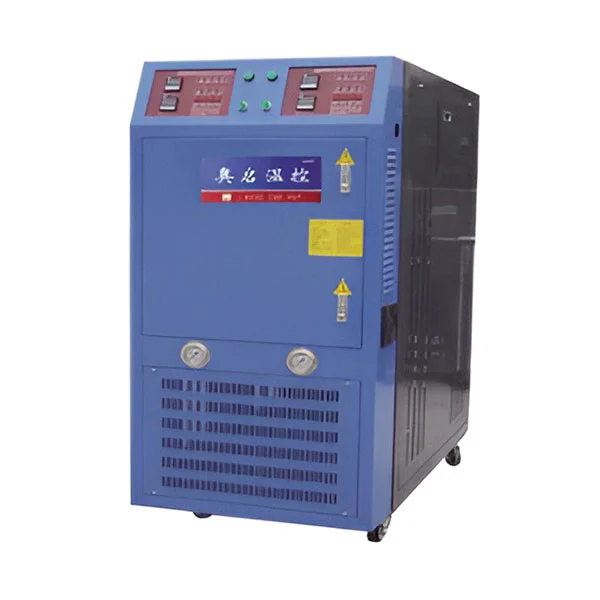
Table of Contents
- 1. Introduction to Mold Cleaning Challenges
- 2. What Is a Mold Washing Machine?
- 3. How Does a Mold Washing Machine Work?
- 4. Key Benefits for Industrial Applications
- 5. Comparison: Manual vs Automated Cleaning
- 6. Industries That Benefit Most
- 7. How to Choose the Right Machine
- 8. Maintenance and Best Practices
- 9. Frequently Asked Questions
1. Introduction to Mold Cleaning Challenges
In manufacturing environments such as injection molding, die casting, and rubber processing, molds are critical assets. However, they are constantly exposed to contaminants including oils, carbon deposits, release agents, and plastic residues.
Traditional cleaning methods—such as manual scrubbing or chemical soaking—often result in:
- Inconsistent cleaning quality
- Surface damage or scratches
- Extended downtime
- High labor costs
These inefficiencies create a strong demand for automated solutions that ensure repeatable, high-quality results.
2. What Is a Mold Washing Machine?
A Mold Washing Machine is an industrial cleaning system specifically designed to remove contaminants from molds using controlled processes such as high-pressure spraying, ultrasonic cleaning, or heated chemical washing.
Companies like AQWK specialize in advanced mold cleaning equipment that integrates automation, precision engineering, and environmentally conscious technologies.
For more product details, you can explore: https://www.aqwkcn.com/mold-washing-machine
3. How Does a Mold Washing Machine Work?
The working principle of a Mold Washing Machine typically involves multiple stages:
- Pre-Cleaning: Removal of loose debris using water or air jets
- Main Cleaning: Application of heated cleaning solution under pressure
- Rinsing: High-purity water removes residual chemicals
- Drying: Hot air or vacuum drying prevents corrosion
Advanced systems may include programmable logic controllers (PLC) that allow operators to customize cleaning cycles based on mold complexity.
4. Key Benefits for Industrial Applications
Investing in a Mold Washing Machine provides measurable advantages:
- Enhanced Cleaning Consistency: Automated cycles eliminate human error
- Reduced Downtime: Faster cleaning means quicker production turnaround
- Extended Mold Lifespan: Gentle yet effective cleaning reduces wear
- Improved Product Quality: Cleaner molds produce defect-free parts
- Lower Labor Costs: Minimal manual intervention required
5. Comparison: Manual vs Automated Cleaning
| Criteria | Manual Cleaning | Mold Washing Machine |
|---|---|---|
| Cleaning Consistency | Variable | Highly Consistent |
| Time Efficiency | Slow | Fast |
| Labor Requirement | High | Low |
| Surface Protection | Risk of Damage | Controlled Process |
| Operational Cost | Higher Over Time | Cost-Effective |
6. Industries That Benefit Most
Mold Washing Machines are widely used across multiple sectors:
- Automotive manufacturing
- Plastic injection molding
- Rubber and tire production
- Electronics and precision components
- Medical device manufacturing
Each of these industries requires strict cleanliness standards, making automated mold cleaning essential.
7. How to Choose the Right Machine
Selecting the right Mold Washing Machine involves evaluating several factors:
- Mold Size and Complexity: Ensure compatibility with machine capacity
- Cleaning Technology: Spray, ultrasonic, or hybrid systems
- Automation Level: Manual loading vs fully automated systems
- Environmental Considerations: Water recycling and chemical usage
- After-Sales Support: Reliable service from manufacturers like AQWK
8. Maintenance and Best Practices
To maximize performance and lifespan, follow these best practices:
- Regularly inspect nozzles and filters
- Use recommended cleaning agents
- Schedule preventive maintenance
- Train operators on correct usage
Proper maintenance ensures consistent cleaning quality and reduces unexpected downtime.
9. Frequently Asked Questions
Q1: Can a Mold Washing Machine handle complex mold geometries?
Yes, advanced systems are designed to reach intricate cavities using high-pressure jets or ultrasonic waves.
Q2: Is it environmentally friendly?
Many modern machines include water recycling systems and eco-friendly cleaning solutions.
Q3: How long does a cleaning cycle take?
Depending on the mold condition, cycles typically range from 15 minutes to 1 hour.
Q4: Does it require skilled operators?
Most machines are user-friendly and require minimal training due to automation.
Q5: What is the ROI of investing in such equipment?
Reduced labor costs, improved productivity, and longer mold lifespan contribute to a fast return on investment.
Conclusion
A Mold Washing Machine is no longer a luxury but a necessity for modern manufacturing environments seeking efficiency, precision, and cost control. By automating the cleaning process, businesses can significantly improve operational performance while maintaining high-quality standards.
If you are looking for a reliable and high-performance solution, AQWK offers industry-leading equipment tailored to your needs. Contact us to discover how our Mold Washing Machines can transform your production efficiency and give you a competitive edge.