

How Does a Manual Chain Hoist Improve Heavy Lifting Operations?
2026-01-23
Article Summary
This article examines the functionality, real-world application scenarios, and selection considerations of Manual Chain Hoists for industrial, construction, and maintenance operations. It addresses key performance attributes, common challenges faced by users, and best practices for safe and effective lifting tasks. By providing structured insights and practical guidance, it supports informed decision-making and reduces the risk of operational issues.
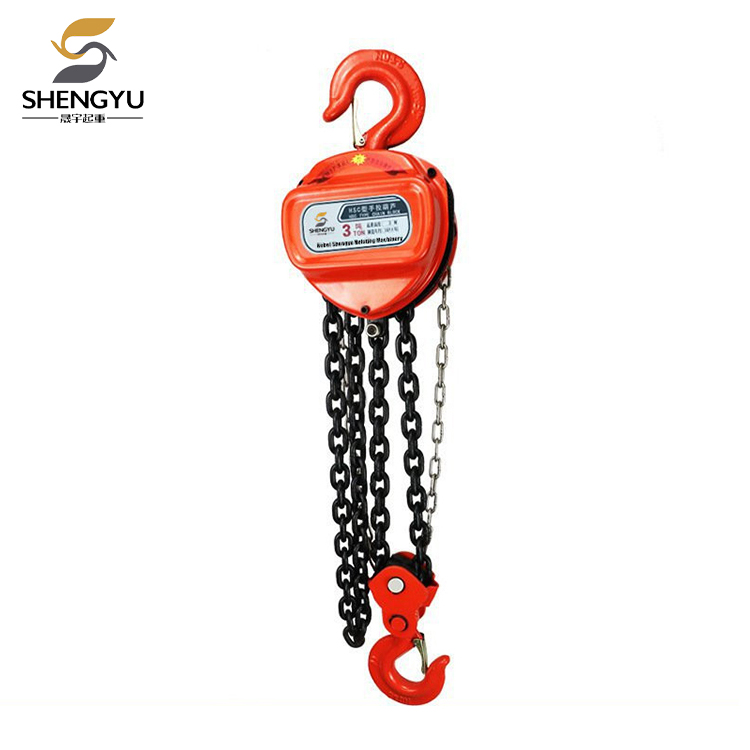
Table of Contents
Introduction
Manual Chain Hoists are widely used tools designed to lift and lower heavy loads using a hand-operated chain and gear mechanism. These devices are especially valuable where electric power is unavailable or impractical, offering reliable performance with minimal installation complexity. Professionals in construction, manufacturing, logistics, and maintenance appreciate manual chain hoists for their adaptability, control, and durability in demanding environments. Understanding their core design, practical benefits, and proper usage is essential for optimizing heavy lifting tasks and minimizing operational risks.
Fundamentals of Manual Chain Hoists
A Manual Chain Hoist typically consists of a hand chain loop, load chain, gear train, hooks, and braking mechanism. When an operator pulls the hand chain, the motion engages internal gears, reducing effort and enabling heavy loads to be lifted smoothly. This mechanical advantage makes it possible to handle weights far greater than the operator’s physical strength alone. Manual chain hoists function without a power source, relying entirely on human input and mechanical gearing to move loads vertically. :contentReference[oaicite:0]{index=0}
Core Benefits and Operational Value
Manual Chain Hoists deliver several key advantages that make them indispensable in heavy lifting operations:
- No Power Required: Operate in remote locations or temporary sites without electricity. :contentReference[oaicite:1]{index=1}
- Cost Effectiveness: Lower purchase and maintenance costs compared with powered alternatives. :contentReference[oaicite:2]{index=2}
- Portability: Lightweight and easy to reposition across job sites. :contentReference[oaicite:3]{index=3}
- Precise Control: Manual operation enables exact positioning of loads. :contentReference[oaicite:4]{index=4}
- Long Service Life: Fewer moving parts and simple mechanics reduce failure points and downtime. :contentReference[oaicite:5]{index=5}
These attributes support a broad range of lifting scenarios, from construction site material handling to equipment installation and maintenance tasks.
How to Select the Right Manual Chain Hoist
Choosing the correct manual chain hoist for your operations involves evaluating several core factors:
- Load Capacity: Determine the maximum weight the hoist will handle and select a model rated above this threshold for safety buffer.
- Lifting Height: Ensure the chain length accommodates the vertical distance required for your tasks. Some models offer customizable chain lengths to meet site-specific needs. :contentReference[oaicite:6]{index=6}
- Material and Build Quality: Opt for high-strength chains and corrosion-resistant components when operating in harsh environments. :contentReference[oaicite:7]{index=7}
- Hook and Suspension Type: Verify that the hoist’s suspension and hook design are compatible with your support structure or beam configuration.
- Safety Features: Look for reliable braking systems and overload protection to minimize risk during lifting operations. :contentReference[oaicite:8]{index=8}
A careful selection ensures that the hoist performs efficiently and withstands operational demands over time.
Safety and Best Practices
Proper safety practices significantly reduce the risk of incidents when using Manual Chain Hoists:
- Conduct Routine Inspections: Check chains, hooks, and gears for wear before each use.
- Maintain Clear Load Path: Avoid obstructions that can interfere with lifting and lowering procedures.
- Use Proper PPE: Operators should wear gloves, helmets, and protective footwear to shield against falling objects or slips.
- Follow Load Ratings: Never exceed the hoist’s rated capacity to prevent system overstrain or failure. :contentReference[oaicite:9]{index=9}
Frequently Asked Questions
Q: What environments are Manual Chain Hoists best suited for?
A: Manual Chain Hoists work well in locations without reliable power, such as outdoor construction sites, remote facilities, and renovation zones. Their simple mechanics make them useful wherever flexibility and mobility are priorities.
Q: How do Manual Chain Hoists compare with powered alternatives?
A: Manual Chain Hoists require no electricity, are often less expensive to procure and maintain, and allow precise control. Powered hoists may deliver faster lifting speeds but add complexity and require infrastructure support.
Q: What are key maintenance actions for Manual Chain Hoists?
A: Regular lubrication of chains and gears, inspection of safety brakes, and replacement of worn components ensure reliable long-term performance.
Conclusion
Manual Chain Hoists remain a vital tool for heavy lifting applications across multiple industries. Their ability to function without electrical power, combined with cost-efficient operation and simple maintenance, makes them a dependable choice for professionals facing diverse lifting challenges. When selected and used correctly, Manual Chain Hoists enhance both safety and productivity in industrial settings.
Shengyu offers a comprehensive range of Manual Chain Hoists engineered to deliver consistent performance and exceptional value. For tailored solutions or expert consultation, contact us to discuss your specific lifting requirements and maximize operational efficiency.