

How Does a Low Temperature Chiller Improve Industrial Cooling Efficiency?
2026-06-09
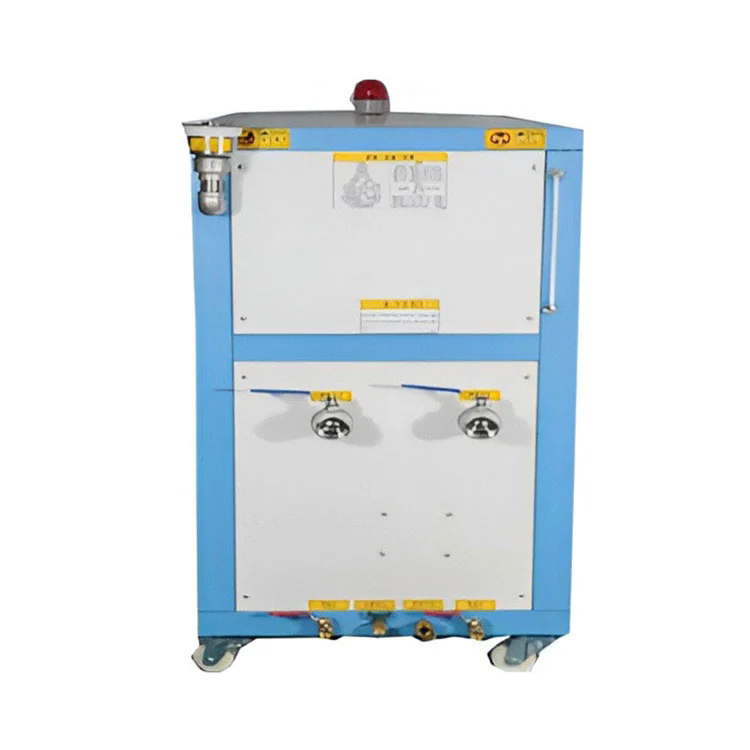
Industrial processes often require precise temperature control to ensure product quality, equipment reliability, and operational efficiency. A Low Temperature Chiller is specifically designed to provide cooling at temperatures significantly lower than conventional chillers, making it an essential solution for industries such as pharmaceuticals, chemicals, food processing, electronics manufacturing, laboratories, and energy storage systems.
This article explains how low temperature chillers work, their advantages, common applications, selection criteria, maintenance practices, and how businesses can maximize cooling efficiency while reducing operating costs.
Article Summary
A Low Temperature Chiller delivers stable cooling below standard temperature ranges, helping industries maintain process consistency, protect sensitive equipment, improve product quality, and reduce production downtime. Choosing the right chiller requires understanding cooling capacity, temperature range, refrigerant systems, energy efficiency, and maintenance requirements.
Table of Contents
- What Is a Low Temperature Chiller?
- How Does a Low Temperature Chiller Work?
- Key Benefits of Low Temperature Chillers
- Industries That Use Low Temperature Chillers
- Low Temperature Chiller vs Standard Chiller
- How to Choose the Right Low Temperature Chiller
- Maintenance Best Practices
- Common Mistakes to Avoid
- Frequently Asked Questions
- Conclusion
What Is a Low Temperature Chiller?
A Low Temperature Chiller is an industrial refrigeration system designed to provide coolant temperatures below the range of traditional chillers. Depending on the application, these systems can achieve temperatures from 0°C down to -120°C or even lower with specialized configurations.
Unlike standard cooling equipment, low temperature chillers are engineered to maintain stable cooling performance under demanding operating conditions. They are often used when precise thermal control directly impacts product quality, chemical reactions, storage stability, or manufacturing efficiency.
| Feature | Low Temperature Chiller | Standard Chiller |
|---|---|---|
| Temperature Range | 0°C to -120°C+ | 5°C to 20°C |
| Precision Control | High | Moderate |
| Industrial Applications | Specialized Processes | General Cooling |
| Cooling Stability | Excellent | Good |
How Does a Low Temperature Chiller Work?
The operating principle of a low temperature chiller is based on the refrigeration cycle. The system continuously removes heat from a process and transfers it away through a carefully controlled cooling mechanism.
- Heat is absorbed from the process fluid.
- The refrigerant evaporates and carries away thermal energy.
- The compressor increases refrigerant pressure and temperature.
- The condenser releases heat to the surrounding environment.
- The expansion valve lowers refrigerant pressure.
- The cycle repeats continuously.
For ultra-low temperature requirements, cascade refrigeration systems or multi-stage compression technologies are often employed to achieve reliable cooling performance.
Key Benefits of Low Temperature Chillers
1. Enhanced Product Quality
Many industrial processes require precise temperature control. Even small temperature fluctuations can affect product consistency. Low temperature chillers provide stable cooling that helps maintain strict production standards.
2. Increased Equipment Protection
Overheating can damage machinery, electronic components, and production systems. Effective cooling reduces thermal stress and extends equipment lifespan.
3. Improved Process Efficiency
Stable temperatures help optimize reaction rates, improve manufacturing consistency, and reduce waste during production.
4. Reduced Downtime
Reliable cooling minimizes unexpected shutdowns caused by excessive heat buildup, helping facilities maintain continuous operation.
5. Energy Savings
Modern low temperature chillers incorporate advanced compressors, intelligent control systems, and efficient heat exchangers to reduce energy consumption.
Industries That Use Low Temperature Chillers
Low temperature chillers serve a wide range of industrial sectors.
| Industry | Typical Application |
|---|---|
| Pharmaceutical | Drug production and storage |
| Chemical Processing | Reaction temperature control |
| Food & Beverage | Rapid freezing and preservation |
| Electronics | Semiconductor manufacturing |
| Laboratories | Research testing environments |
| Battery Manufacturing | Thermal management systems |
| Medical Industry | Specialized cooling equipment |
As manufacturing standards continue to rise, the demand for highly reliable low temperature cooling solutions continues to expand across global industries.
Low Temperature Chiller vs Standard Chiller
| Parameter | Low Temperature Chiller | Standard Chiller |
|---|---|---|
| Cooling Range | Ultra-low temperatures | Moderate temperatures |
| Process Precision | Very High | Medium |
| Industrial Complexity | Advanced | General |
| Specialized Applications | Yes | Limited |
| Control Accuracy | Excellent | Good |
Organizations requiring strict thermal management typically benefit significantly from investing in low temperature chiller technology.
How to Choose the Right Low Temperature Chiller
Selecting the correct chiller is critical for achieving long-term performance and cost efficiency.
Determine Temperature Requirements
Identify the minimum operating temperature required by your process. This directly impacts refrigeration system design.
Calculate Cooling Capacity
Evaluate heat loads generated by equipment, materials, and environmental conditions to determine the required cooling capacity.
Assess Temperature Stability
Processes involving sensitive materials often require highly accurate temperature control.
Review Energy Efficiency
Choose systems equipped with energy-saving compressors, variable frequency drives, and intelligent control systems.
Consider Future Expansion
Allow sufficient capacity margins to accommodate future production growth and changing operational requirements.
Maintenance Best Practices
Routine maintenance helps maximize reliability and operational lifespan.
- Inspect refrigerant levels regularly.
- Clean heat exchangers and condensers.
- Monitor compressor performance.
- Check electrical connections.
- Replace worn components promptly.
- Verify temperature sensor accuracy.
- Maintain proper coolant quality.
Preventive maintenance can significantly reduce repair costs and unexpected equipment failures.
Common Mistakes to Avoid
- Choosing insufficient cooling capacity.
- Ignoring ambient temperature conditions.
- Neglecting regular maintenance schedules.
- Using unsuitable coolant fluids.
- Overlooking energy consumption costs.
- Failing to consider future production needs.
- Improper installation and ventilation.
Avoiding these issues helps ensure optimal performance throughout the system's service life.
Frequently Asked Questions
Q1: What temperature can a low temperature chiller reach?
Depending on system design, temperatures can range from 0°C to below -120°C.
Q2: Which industries benefit most from low temperature chillers?
Pharmaceutical, chemical, food processing, electronics, laboratory, and battery manufacturing industries commonly use these systems.
Q3: Are low temperature chillers energy efficient?
Modern systems use advanced technologies that improve cooling efficiency and reduce operating costs.
Q4: How often should maintenance be performed?
Routine inspections should be conducted monthly, while comprehensive maintenance schedules depend on operating conditions and manufacturer recommendations.
Q5: Can a low temperature chiller operate continuously?
Yes. Industrial-grade systems are designed for long-term continuous operation when properly maintained.
Conclusion
A Low Temperature Chiller plays a vital role in industries where precise cooling is essential for product quality, process stability, and equipment protection. By selecting the right cooling capacity, temperature range, and control system, organizations can improve operational efficiency while reducing maintenance costs and production risks.
As a professional industrial cooling solution provider, AQWK offers reliable and customizable low temperature chiller systems designed to meet demanding industrial requirements. Whether you need ultra-low temperature cooling for pharmaceuticals, chemical processing, laboratory research, food production, or advanced manufacturing applications, AQWK can provide a solution tailored to your specific needs. Contact us today to discuss your project requirements and discover how AQWK can help optimize your industrial cooling performance.