

How Does a Labeling Machine Improve Packaging Efficiency and Product Presentation?
2026-06-01
In today's competitive manufacturing and packaging environment, accurate and consistent labeling is no longer optional. Whether you are producing food products, beverages, cosmetics, pharmaceuticals, chemicals, or consumer goods, product labels play a critical role in branding, compliance, traceability, and customer trust.
A modern Labeling Machine helps businesses automate the application of labels onto bottles, jars, cartons, pouches, cans, and various containers with exceptional speed and precision. By eliminating manual labeling errors and increasing production throughput, companies can significantly reduce labor costs while maintaining professional packaging standards.
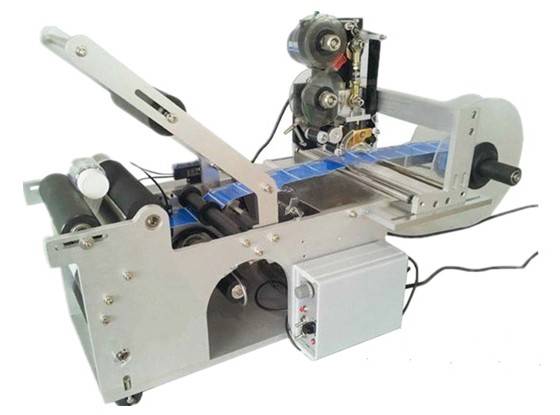
This article explains how labeling machines work, their major benefits, common applications, machine types, and key factors to consider before investing in one.
Article Summary
A labeling machine automates the process of applying labels to products and packaging. It enhances production efficiency, improves label placement accuracy, reduces waste, supports regulatory compliance, and strengthens brand image. Different machine types are available for various packaging formats, making labeling automation an essential investment for growing manufacturers.
Table of Contents
- What Is a Labeling Machine?
- How Does a Labeling Machine Work?
- Benefits of Using a Labeling Machine
- Types of Labeling Machines
- Industries That Use Labeling Machines
- How to Choose the Right Labeling Machine
- Manual vs Automatic Labeling
- Maintenance Best Practices
- Frequently Asked Questions
- Conclusion
What Is a Labeling Machine?
A labeling machine is specialized packaging equipment designed to automatically or semi-automatically apply labels onto products, containers, or packages. The machine ensures that labels are positioned accurately and consistently, regardless of production volume.
Labels may contain:
- Brand logos
- Product information
- Ingredients
- Barcodes and QR codes
- Batch numbers
- Expiration dates
- Regulatory information
- Safety instructions
Modern labeling systems can handle a wide variety of container shapes and packaging materials while maintaining high-speed production requirements.
How Does a Labeling Machine Work?
Although machine designs vary, most labeling systems follow a similar workflow:
- Products enter the conveyor system.
- Sensors detect the product position.
- The label roll feeds into the dispensing mechanism.
- The machine separates the label from its backing material.
- The label is applied to the product surface.
- Pressure rollers or brushes ensure proper adhesion.
- The labeled product moves to the next packaging stage.
Advanced machines can synchronize with filling, capping, coding, and inspection equipment, creating a fully automated packaging line.
Benefits of Using a Labeling Machine
1. Increased Production Efficiency
Manual labeling is time-consuming and labor-intensive. Automated labeling equipment can process hundreds or even thousands of products per hour, dramatically increasing output.
2. Improved Label Accuracy
Consistent label placement improves product appearance and ensures important information remains visible and readable.
3. Reduced Labor Costs
Automation minimizes dependence on manual labor while allowing staff to focus on higher-value production tasks.
4. Enhanced Brand Image
Properly aligned labels contribute to a premium and professional appearance that strengthens customer confidence.
5. Less Material Waste
Accurate dispensing reduces label misalignment, wrinkles, and application errors that often result in wasted materials.
6. Better Regulatory Compliance
Industries such as pharmaceuticals, food, and chemicals require precise labeling to meet regulatory standards and traceability requirements.
Types of Labeling Machines
| Machine Type | Application | Suitable Products |
|---|---|---|
| Round Bottle Labeling Machine | Wrap-around labeling | Beverages, cosmetics, chemicals |
| Flat Surface Labeling Machine | Top or bottom labeling | Boxes, cartons, trays |
| Double-Side Labeling Machine | Front and back labeling | Shampoo bottles, cleaning products |
| Corner Seal Labeling Machine | Tamper-evident labeling | Food containers and cartons |
| Automatic Labeling System | High-speed production lines | Large-scale manufacturing facilities |
Industries That Use Labeling Machines
Labeling equipment is widely used across numerous industries:
- Food and beverage manufacturing
- Pharmaceutical production
- Cosmetics and personal care products
- Chemical packaging
- Nutritional supplements
- Agricultural products
- Household cleaning products
- Electronics packaging
- Logistics and warehousing
As product identification requirements continue to increase, automated labeling has become an essential part of modern production operations.
How to Choose the Right Labeling Machine
Selecting the right labeling machine requires careful evaluation of production requirements and packaging characteristics.
| Selection Factor | Why It Matters |
|---|---|
| Container Shape | Different machines handle round, square, oval, or flat products. |
| Production Speed | Machine capacity must match line output requirements. |
| Label Size | Ensures compatibility with product dimensions. |
| Label Material | Paper, film, transparent, or specialty labels require different settings. |
| Automation Level | Semi-automatic and fully automatic solutions serve different production needs. |
| Future Expansion | Scalable systems support business growth. |
Manual vs Automatic Labeling
| Feature | Manual Labeling | Automatic Labeling Machine |
|---|---|---|
| Speed | Low | High |
| Accuracy | Variable | Consistent |
| Labor Requirement | High | Low |
| Scalability | Limited | Excellent |
| Operating Cost | Higher Long-Term | Lower Long-Term |
| Production Consistency | Moderate | Excellent |
Maintenance Best Practices
Proper maintenance helps maximize equipment lifespan and maintain labeling accuracy.
- Clean sensors regularly.
- Inspect rollers and belts for wear.
- Check label tension settings.
- Lubricate moving components when required.
- Replace damaged parts promptly.
- Calibrate the machine periodically.
- Train operators on correct operating procedures.
Preventive maintenance reduces unexpected downtime and ensures stable production performance.
Frequently Asked Questions
Q1: What products can a labeling machine handle?
Labeling machines can process bottles, jars, cans, cartons, boxes, pouches, tubes, trays, and many other packaging formats.
Q2: Can one machine apply different label sizes?
Yes. Most modern machines support multiple label dimensions through adjustment settings and changeover components.
Q3: Is automatic labeling suitable for small businesses?
Absolutely. Semi-automatic and entry-level automatic models are ideal for growing businesses seeking higher efficiency.
Q4: How accurate are automatic labeling machines?
High-quality systems can achieve extremely precise placement, minimizing skewing and positioning errors.
Q5: Can labeling machines integrate with existing packaging lines?
Yes. Many systems are designed to integrate with filling machines, capping machines, coding equipment, and inspection systems.
Conclusion
A labeling machine is far more than a simple packaging accessory. It is a critical component of modern manufacturing that improves efficiency, reduces operating costs, enhances product presentation, and supports consistent quality control.
Whether you are packaging beverages, cosmetics, pharmaceuticals, food products, or industrial goods, investing in the right labeling solution can significantly improve overall production performance while helping your products stand out in the marketplace.
Dongguan Sammi Packing Machine Co., Ltd. specializes in advanced labeling equipment designed to meet the evolving needs of manufacturers worldwide. From compact semi-automatic systems to fully automated high-speed production solutions, our team can help you find the ideal labeling machine for your specific application.
Ready to improve your packaging efficiency and labeling accuracy? Contact us today to discuss your production requirements and discover how Dongguan Sammi Packing Machine Co., Ltd. can provide a customized labeling solution that helps your business achieve greater productivity, reliability, and long-term growth.