

How Does a Gravure Printing Machine Work?
2026-05-21
Summary: Gravure printing machines are an essential part of high-quality printing for packaging, labels, and specialty products. This article explores the working principle, components, advantages, and common challenges of gravure printing machines, helping manufacturers and business owners make informed decisions for their printing needs.
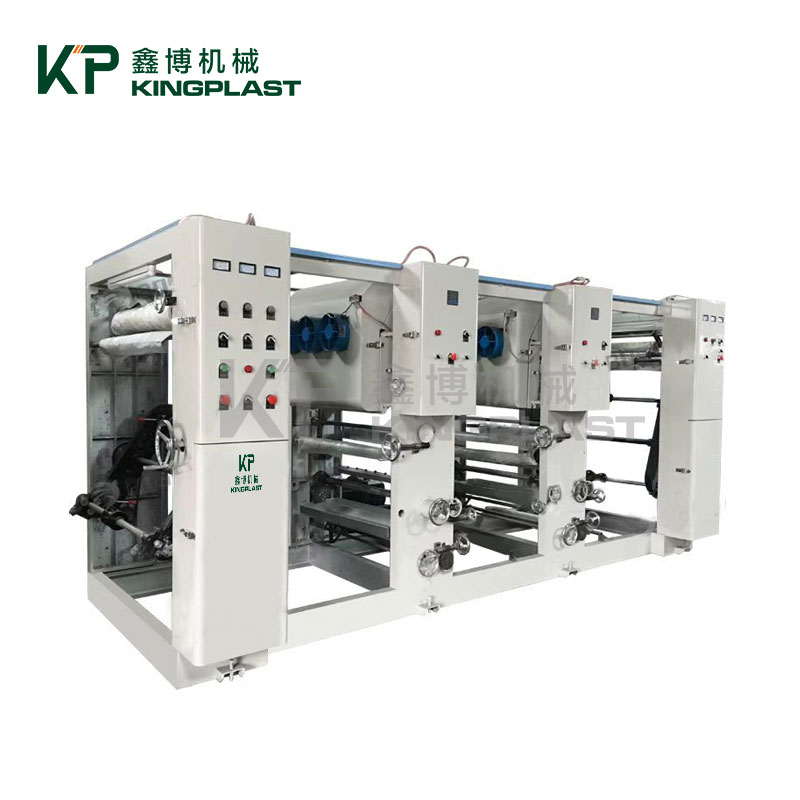
Table of Contents
- Introduction to Gravure Printing
- Working Principle of a Gravure Printing Machine
- Key Components
- Advantages of Gravure Printing
- Common Issues and Solutions
- Applications in Different Industries
- Frequently Asked Questions
- Conclusion and Contact Information
Introduction to Gravure Printing
Gravure printing, also known as rotogravure, is a high-speed printing technique widely used in packaging, magazines, and decorative printing. Unlike offset or flexographic printing, gravure relies on engraved cells on a cylinder to transfer ink onto paper, plastic, or foil substrates. This method ensures exceptional image quality, precise color reproduction, and consistent results for large-volume production.
Ruian Kingplast Machinery Co., Ltd specializes in manufacturing advanced gravure printing machines that meet diverse industry requirements. Understanding how these machines operate can help businesses improve productivity, reduce downtime, and achieve superior print quality.
Working Principle of a Gravure Printing Machine
The gravure printing machine works through a simple yet highly effective process:
- Engraving the Cylinder: The image or pattern is etched onto a steel cylinder using laser engraving or chemical etching. The depth and size of each cell determine the amount of ink transferred.
- Ink Application: Ink is applied to the engraved cylinder, filling the recessed cells completely.
- Doctor Blade Process: A doctor blade removes excess ink from the cylinder's surface, leaving ink only in the engraved cells.
- Substrate Contact: The substrate passes between the gravure cylinder and an impression roller, picking up the ink from the cells.
- Drying: The printed substrate passes through a drying system to solidify the ink before subsequent processing or winding.
This process allows for high-resolution images and consistent color, making gravure printing ideal for premium packaging and long-run projects.
Key Components of a Gravure Printing Machine
| Component | Function |
|---|---|
| Gravure Cylinder | Holds the engraved image or pattern for ink transfer. |
| Doctor Blade | Removes excess ink from the cylinder surface for precision printing. |
| Ink Fountain | Supplies a consistent flow of ink to the gravure cylinder. |
| Impression Roller | Presses the substrate against the cylinder to transfer ink. |
| Drying System | Dries the printed substrate to prevent smudging and maintain quality. |
Each component must be properly maintained to avoid printing defects, such as uneven color, streaking, or ink smearing.
Advantages of Gravure Printing
- High Image Quality: Detailed images and fine lines are reproduced accurately.
- Consistency: Gravure printing is ideal for long runs with minimal color variation.
- Versatility: Can print on various substrates including paper, plastics, foils, and laminates.
- Durability: The printed materials are resistant to fading and abrasion.
- Speed: High-speed cylinders allow for mass production efficiently.
Common Issues and Solutions
Despite its advantages, gravure printing may encounter challenges that affect production efficiency:
- Ink Smudging: Often caused by improper drying. Solution: Adjust drying temperature and speed.
- Uneven Printing: May result from worn doctor blades or clogged cells. Solution: Regular maintenance and cleaning.
- Color Inconsistency: Caused by uneven ink supply. Solution: Calibrate ink fountain and monitor viscosity.
- Cylinder Wear: Frequent use may reduce engraving precision. Solution: Regrind or replace cylinders as needed.
Applications in Different Industries
Gravure printing machines are widely applied across various sectors:
- Packaging: High-quality printing on flexible packaging, cartons, and labels.
- Publishing: Magazines, catalogs, and promotional materials.
- Decorative Printing: Wallpaper, laminates, and specialty papers.
- Food & Beverage: Product wrappers, pouches, and beverage labels.
Businesses seeking efficiency and high-quality output often choose gravure printing machines from Ruian Kingplast Machinery Co., Ltd, ensuring reliability and performance.
Frequently Asked Questions
-
Q1: What materials can a gravure printing machine handle?
A: It can print on paper, film, foil, laminates, and specialty substrates. -
Q2: How long does a gravure cylinder last?
A: With proper maintenance, it can last for hundreds of thousands of impressions. -
Q3: Is gravure printing cost-effective for short runs?
A: Gravure is ideal for long runs; short runs may be less economical due to cylinder preparation costs. -
Q4: Can gravure printing achieve high-resolution images?
A: Yes, it excels at reproducing fine details and rich colors.
Conclusion and Contact Information
Gravure printing machines are a reliable solution for businesses requiring high-speed, high-quality printing. By understanding the working principle, components, and potential challenges, manufacturers can optimize production and achieve superior print results.
For professional gravure printing machines and expert guidance, Ruian Kingplast Machinery Co., Ltd offers a full range of solutions. Visit our product page at Gravure Printing Machine and contact us to discuss your printing needs and receive tailored support.