

How Does a Grain Sterilization Tank Improve Food Safety and Production Efficiency?
2026-02-04
Article Summary: Grain sterilization tanks are essential in modern grain processing, addressing contamination, pest control, and production efficiency. This article breaks down how these systems work, core benefits, practical implementation strategies, selection criteria, operational best practices, and answers common questions to help agribusinesses make informed decisions.
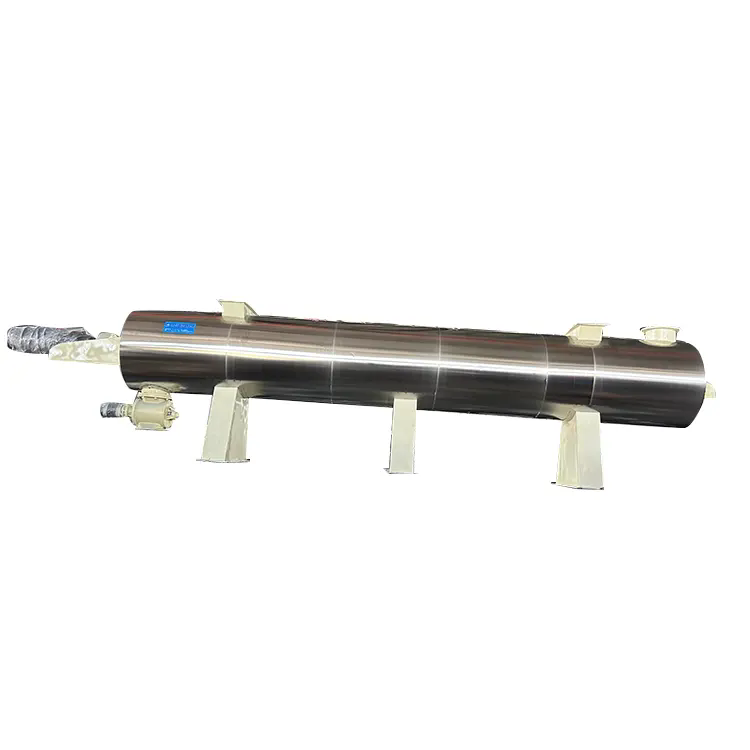
Table of Contents
- Introduction: What Is a Grain Sterilization Tank?
- Why Use a Grain Sterilization Tank?
- How Grain Sterilization Tanks Work
- Key Benefits of Grain Sterilization Tanks
- Selection Guide for Grain Sterilization Tanks
- Operation Best Practices
- Comparison of Sterilization Methods
- Frequently Asked Questions
- Conclusion & Contact Us
Introduction: What Is a Grain Sterilization Tank?
Grain sterilization tanks are industrial systems designed to eliminate biological contaminants from agricultural grains—such as rice, wheat, corn, and barley—before storage or further processing. These contaminants can include bacteria, fungi, molds, and insect eggs, all of which can compromise food safety, reduce shelf life, or trigger regulatory non-compliance issues.
The growing focus on food safety, quality assurance, and operational efficiency has driven adoption of sterilization technology across milling plants, grain processing facilities, seed treatment operations, and large-scale farms. A grain sterilization tank uses controlled heat, steam, or a combination of thermal and mechanical processes to ensure comprehensive inactivation of microorganisms while preserving grain integrity.
Why Use a Grain Sterilization Tank?
Modern grain supply chains face multiple challenges, including:
- Pest infestations and mold growth during storage.
- Stringent food safety standards imposed by regulatory bodies.
- Quality degradation during tempering and processing.
- Customer demands for safer, contaminant-free products.
A dedicated sterilization tank mitigates these challenges through controlled sanitation. Unlike traditional fumigation or chemical treatments, thermal sterilization provides a residue-free method that aligns with clean-label requirements and environmental compliance objectives.
How Grain Sterilization Tanks Work
A typical grain sterilization process includes:
- Loading and Preconditioning: Grain is fed into the sterilization tank, with moisture levels and temperature monitored for uniform treatment.
- Heat or Steam Application: Controlled steam or thermal energy is introduced, raising internal temperatures high enough to inactivate pathogens without damaging the grain.
- Retention Phase: The grain is held at target temperatures for a calculated duration to ensure complete sterilization.
- Cooling and Unloading: After treatment, grain is cooled to ambient levels to prevent condensation and potential recontamination.
This process can be automated to maintain precise control over variables such as temperature, pressure, and exposure time. Sensors and PLC systems often provide real-time monitoring and feedback to operators, ensuring consistent results across batches.
Key Benefits of Grain Sterilization Tanks
The strategic advantages of installing and operating a grain sterilization tank include:
- Improved Food Safety: Effective elimination of microbial hazards reduces risks of foodborne illness and recalls.
- Extended Shelf Life: By reducing mold and insect load, grain remains stable for longer storage horizons.
- Enhanced Product Quality: Uniform sterilization preserves color, flavor, and nutritional value.
- Regulatory Compliance: Meets or exceeds international sanitation standards, facilitating export and certification processes.
- Reduced Chemical Usage: Minimizes or eliminates the need for chemical fumigants, aligning with sustainable production goals.
Selection Guide for Grain Sterilization Tanks
Choosing the right tank involves technical and operational assessments. Key criteria include:
| Criteria | What to Consider |
|---|---|
| Capacity | Match your throughput (e.g., tons per batch or hourly rate). |
| Heating Method | Steam vs hot air vs hybrid systems; impacts energy efficiency and speed. |
| Automation Level | Manual, semi-automatic, or fully automatic control systems. |
| Material Construction | Stainless steel vs carbon steel; corrosion resistance matters for longevity. |
| Energy Consumption | Evaluate energy efficiency ratings and utility costs. |
| Sanitation and Cleanability | Ease of internal access and cleaning protocols. |
Operation Best Practices
Optimal performance depends on consistent procedures and operator training. Implement the following:
- Pre-Use Inspections: Validate sensor readings, seals, and heating elements before each run.
- Moisture Control: Measure grain moisture pre- and post-treatment to avoid unwanted condensation.
- Record Keeping: Log each batch’s parameters (temperature, duration, humidity) for traceability.
- Routine Maintenance: Clean tanks regularly, replace worn gaskets, and calibrate sensors as needed.
- Operator Training: Provide competency-based training to ensure adherence to standard operating procedures (SOPs).
Comparison of Sterilization Methods
Below is a high-level comparison of common sterilization approaches:
| Method | Effectiveness | Residuals | Speed |
|---|---|---|---|
| Thermal Sterilization (Steam) | High | None | Moderate |
| Chemical Fumigation | Moderate to High | Chemical Residue | Fast |
| Dry Heat | Moderate | None | Slow |
Frequently Asked Questions
Q1: How long does a typical sterilization cycle take?
A: Depending on capacity and target microorganism load, cycles can range from 30 minutes to several hours. Automated PLC systems help optimize timing based on real-time data.
Q2: Can sterilization damage grain quality?
A: When correctly calibrated, sterilization preserves grain quality. Excessive temperature without moisture control can harm texture; this risk is mitigated by precise system controls.
Q3: Is steam the best medium for all grains?
A: Steam offers high efficacy for many grains, but specific crops or regulatory requirements might favor alternative methods. Consult technical support to match method to grain type.
Q4: What maintenance is required for a sterilization tank?
A: Regular cleaning, sensor calibration, seal inspection, and preventive checks on heating elements ensure longevity and consistent performance.
Conclusion & Contact Us
Integrating a grain sterilization tank into your processing line significantly enhances food safety, reduces contamination risks, and improves operational efficiency. By understanding how these systems operate and aligning selection with your production goals, you can optimize throughput while maintaining high-quality standards.
If you are evaluating grain sterilization solutions, consider the reliable systems from Shandong Chengming Environmental Protection Technology Co., Ltd. With advanced design, intelligent control options, and robust construction tailored for modern agribusiness needs, our equipment supports your commitment to safety and productivity. For detailed specifications, customization options, and a consultation on the best solution for your facility, contact us today.