

Summary: Grain processing facilities face ongoing challenges with microbial contamination, inconsistent product quality, and regulatory compliance. A Grain Sterilization Tank offers a solution by ensuring thorough sterilization, improving safety and extending shelf life. This article explores how these systems operate, their benefits, design considerations, installation tips, and answers key questions to help you make informed decisions for your facility.
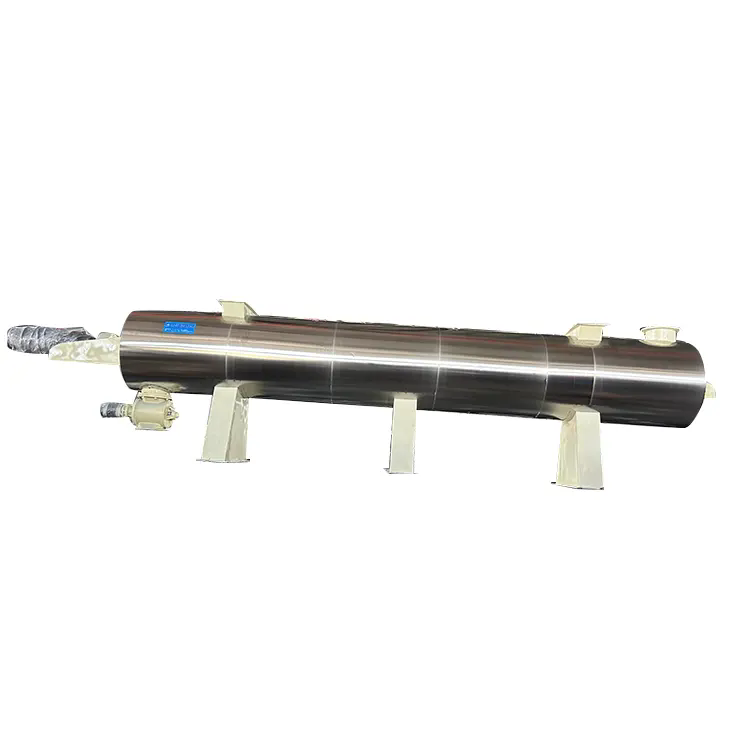
Table of Contents
- Introduction to Grain Sterilization Tanks
- Core Functions and Mechanisms
- Key Benefits for Your Facility
- Design and Performance Considerations
- Operational Best Practices
- Maintenance and Longevity
- Cost and ROI Analysis
- FAQs
- Conclusion and Next Steps
Introduction to Grain Sterilization Tanks
Grain sterilization is a critical step in modern food and feed production. Microbial contamination, insect infestations, and fungal growth can compromise both safety and quality. A Grain Sterilization Tank is engineered to eliminate harmful organisms and stabilize the grain before further processing or storage. This introduction outlines why sterilization matters and how a dedicated tank system integrates into your production line.
Traditional methods like chemical fumigation and manual inspection are increasingly inadequate due to stricter regulations and higher consumer expectations for safety. Deploying a sterilization tank supports automated, repeatable processes that protect product integrity while reducing operational risk.
Core Functions and Mechanisms
- Thermal Treatment: Uses controlled high temperatures to destroy bacteria, mold spores, and insects without degrading grain quality.
- Steam Circulation: Ensures uniform heat distribution to all grain masses within the tank.
- Pressure Control: Maintains optimal pressure levels to balance effective sterilization with energy efficiency.
- Automated Monitoring: Sensors and controls track temperature, pressure, and time to ensure consistent results.
These systems are designed for precision. Operators set parameters based on grain type, moisture content, and sterilization requirements. Advanced models incorporate digital controls and data logging to support traceability and compliance.
Key Benefits for Your Facility
Investing in a Grain Sterilization Tank delivers measurable advantages across safety, quality, and productivity:
| Benefit | Impact on Operations |
|---|---|
| Enhanced Food Safety | Eliminates pathogens and pests, reducing risk of recalls and contamination. |
| Quality Consistency | Maintains uniform grain properties for downstream processing. |
| Regulatory Compliance | Supports adherence to food safety standards and audit readiness. |
| Reduced Waste | Minimizes spoilage and rejects, improving yield. |
| Operational Efficiency | Automated processes reduce manual labor and human error. |
Across diverse grain types—wheat, corn, rice, barley—the sterilization tank improves reliability from raw intake through final output.
Design and Performance Considerations
When evaluating a grain sterilization solution, focus on these design criteria:
- Capacity: Choose a tank size that matches your throughput needs while allowing peak load flexibility.
- Material Construction: Stainless steel and corrosion-resistant alloys extend service life in harsh processing environments.
- Heating Source: Options include steam jackets, direct steam injection, or electric heating, each with trade-offs in cost and control.
- Automation Level: Fully automated systems reduce labor needs but require competent integration with existing control systems.
- Sanitation Access: Design for easy cleaning to support hygiene protocols and prevent cross-contamination.
Working with manufacturers who customize systems based on specific grain properties and plant layout ensures the best fit for operational goals.
Operational Best Practices
To maximize performance and safety:
- Establish clear SOPs for start-up, sterilization cycles, and shutdowns.
- Train operators on control interfaces and safety protocols.
- Monitor key parameters—temperature, pressure, moisture—before, during, and after each cycle.
- Integrate alarms and fail-safes to prevent out-of-spec conditions.
- Coordinate sterilization timing with upstream and downstream processes to avoid bottlenecks.
Routine practice ensures consistent outcomes and reduces unplanned downtime.
Maintenance and Longevity
A proactive maintenance plan preserves uptime and extends equipment life. Key tasks include:
- Inspecting seals, gaskets, and pressure relief valves.
- Calibrating sensors and control systems regularly.
- Cleaning heat exchange surfaces to maintain thermal efficiency.
- Replacing wear parts on a scheduled basis to avoid unexpected failures.
Documentation of maintenance activities supports traceability and can simplify audits or inspections.
Cost and ROI Analysis
Cost considerations include initial investment, installation, energy consumption, and operational labor. However, the return on investment can be significant due to:
- Lower spoilage and waste-related losses.
- Reduced labor and processing cycle times.
- Fewer shipment rejections due to contamination.
- Extended product shelf life and enhanced market reputation.
Facilities often recover costs through improved efficiency and reduced risk within the first few production cycles.
Frequently Asked Questions
What types of grain can be processed in a sterilization tank?
Most grain varieties, including wheat, corn, rice, and barley, can be processed. Settings are adjusted based on moisture and specific sterilization needs.
How long does a typical sterilization cycle take?
Cycle times vary but generally range from 30 minutes to several hours depending on grain volume and target temperature profiles.
Is automation necessary for effective sterilization?
Automation enhances consistency and safety, especially in larger facilities. Smaller operations may use semi-automated systems with manual oversight.
Can the system integrate with existing grain processing lines?
Yes, modern tanks are designed with flexible interfaces to integrate with conveyors, dryers, and storage silos.
What safety features should I expect?
Pressure relief valves, redundant temperature sensors, emergency stop controls, and interlocks are standard features to mitigate operational hazards.
Conclusion
Implementing a Grain Sterilization Tank is a strategic investment that enhances food safety, processing reliability, and operational efficiency. By understanding design features, best practices, and maintenance requirements, facilities can achieve consistent results while minimizing risk. Shandong Chengming offers robust solutions designed to meet the evolving needs of modern grain processing operations. For tailored information and expert guidance, contact us today to discuss how our systems can elevate your production capabilities.