

How Does a Brake Proportioning Valve Improve Vehicle Safety and Performance?
2026-04-01
Article Summary
A brake proportioning valve is a critical yet often overlooked component in modern braking systems. It ensures that braking force is distributed optimally between the front and rear wheels, preventing skidding, improving stability, and enhancing overall driving safety. This article explores how a brake proportioning valve works, why it matters, common issues users face, and how to select the right one for your vehicle or project. Whether you're an automotive engineer, parts distributor, or vehicle owner, this guide addresses practical concerns and provides actionable insights.
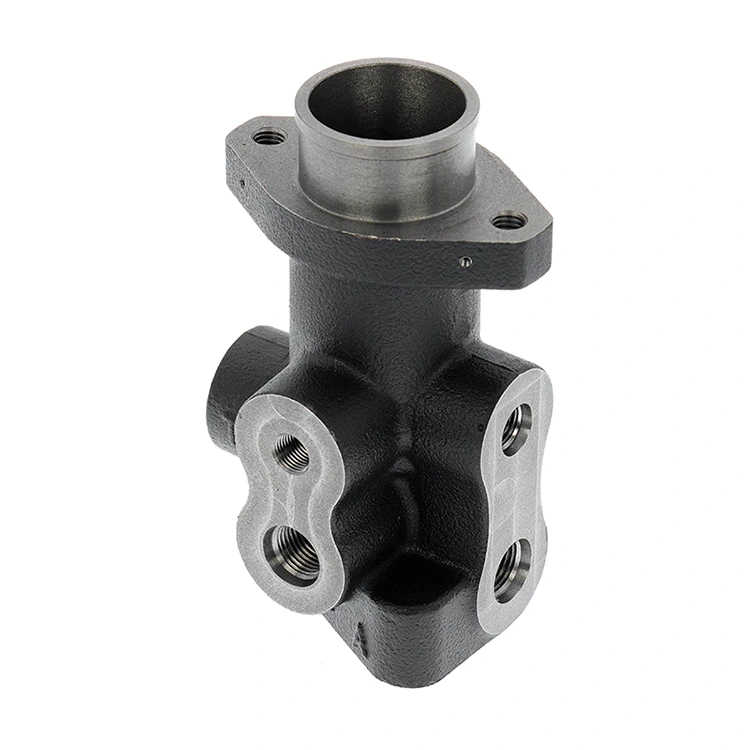
Table of Contents
- 1. What Is a Brake Proportioning Valve?
- 2. How Does a Brake Proportioning Valve Work?
- 3. Why Is Brake Force Distribution Important?
- 4. Types of Brake Proportioning Valves
- 5. Common Problems and Customer Pain Points
- 6. How to Choose the Right Valve
- 7. Installation and Maintenance Tips
- 8. Technical Comparison Table
- 9. Frequently Asked Questions
1. What Is a Brake Proportioning Valve?
A brake proportioning valve is a hydraulic control device used in automotive braking systems to regulate the pressure sent to the rear brakes. During braking, weight shifts toward the front of the vehicle, increasing traction on the front wheels and reducing it at the rear. Without proper pressure regulation, rear wheels can lock up prematurely, leading to loss of control.
This component is typically integrated into the brake line and functions automatically, adjusting pressure based on braking intensity. It is essential in both passenger vehicles and performance or commercial applications.
2. How Does a Brake Proportioning Valve Work?
The operation of a brake proportioning valve is based on hydraulic pressure modulation. When the driver applies the brake pedal, fluid pressure is transmitted through the master cylinder to all wheels. The valve intervenes by limiting the pressure sent to the rear brakes once it reaches a predefined threshold.
- Low braking force: Equal pressure is distributed to front and rear brakes.
- Moderate braking: The valve begins reducing rear brake pressure.
- Hard braking: Rear pressure is significantly limited to prevent lockup.
Internally, this is achieved using a spring-loaded piston mechanism that reacts dynamically to hydraulic pressure changes.
3. Why Is Brake Force Distribution Important?
Improper brake force distribution is one of the leading causes of instability during sudden stops. Key risks include:
- Rear wheel lockup leading to skidding
- Increased stopping distance
- Loss of directional control
- Uneven brake wear
A properly functioning brake proportioning valve ensures that braking performance remains predictable and stable under varying loads and road conditions.
4. Types of Brake Proportioning Valves
Different applications require different valve configurations. The main types include:
- Fixed Proportioning Valve: Pre-set pressure ratio, commonly used in standard vehicles.
- Adjustable Proportioning Valve: Allows manual tuning for performance or custom builds.
- Load-Sensing Valve: Adjusts pressure based on vehicle load conditions.
- Combination Valve: Integrates proportioning, metering, and pressure differential functions.
Manufacturers like Difon provide precision-engineered valves designed for durability, consistency, and compatibility across various systems.
5. Common Problems and Customer Pain Points
Many customers encounter issues related to brake proportioning valves, especially in aftermarket or replacement scenarios:
- Brake imbalance: Uneven braking force causing instability
- Fluid leakage: Worn seals or poor manufacturing quality
- Incorrect calibration: Mismatch between valve and vehicle specifications
- Difficult installation: Compatibility issues with existing brake systems
These challenges highlight the importance of selecting high-quality components and ensuring proper installation procedures.
6. How to Choose the Right Valve
Selecting the correct brake proportioning valve requires a technical understanding of your vehicle and its braking system. Consider the following factors:
- Vehicle type: Passenger car, truck, or performance vehicle
- Brake configuration: Disc/disc or disc/drum setup
- Operating conditions: Load variations and driving environment
- Adjustability needs: Fixed vs. adjustable valve
Difon offers a range of customizable solutions tailored to OEM and aftermarket requirements, ensuring optimal performance and reliability.
7. Installation and Maintenance Tips
Proper installation and maintenance are crucial for long-term performance:
- Always follow manufacturer specifications during installation
- Ensure all hydraulic connections are secure and leak-free
- Bleed the brake system thoroughly after installation
- Inspect the valve periodically for wear or corrosion
Routine checks can prevent system failure and maintain consistent braking performance.
8. Technical Comparison Table
| Feature | Fixed Valve | Adjustable Valve | Load-Sensing Valve |
|---|---|---|---|
| Pressure Control | Pre-set | Manual Adjustment | Automatic |
| Application | Standard Vehicles | Performance/Custom | Commercial Vehicles |
| Complexity | Low | Medium | High |
| Cost | Lower | Moderate | Higher |
9. Frequently Asked Questions
Q1: What happens if a brake proportioning valve fails?
Failure can lead to rear wheel lockup or insufficient braking force, both of which compromise vehicle safety.
Q2: Can I adjust my brake proportioning valve?
Only adjustable valves allow tuning. Fixed valves cannot be modified and must be replaced if unsuitable.
Q3: Is a proportioning valve necessary for all vehicles?
Yes, especially for vehicles with uneven weight distribution or mixed brake types (disc and drum).
Q4: How often should it be replaced?
There is no fixed interval, but inspection during brake servicing is recommended. Replace if signs of wear or malfunction appear.
Conclusion
A brake proportioning valve plays a vital role in ensuring safe, stable, and efficient braking performance. Understanding its function and selecting the right type can significantly reduce risks and improve driving confidence. Whether you're upgrading a braking system or sourcing components for manufacturing, quality and precision are non-negotiable.
Difon specializes in high-performance brake proportioning valves engineered for reliability and precision. If you're looking for dependable solutions tailored to your needs, contact us today to discuss your requirements and discover how we can support your business.