

How Does a Block Machine Work?
2026-03-17
Summary: Block machines are essential in modern construction, offering efficient ways to produce concrete blocks, paving stones, and other building materials. This guide explores how block machines operate, their types, key components, advantages, and maintenance tips. Learn how to select the right machine for your construction needs and maximize productivity.
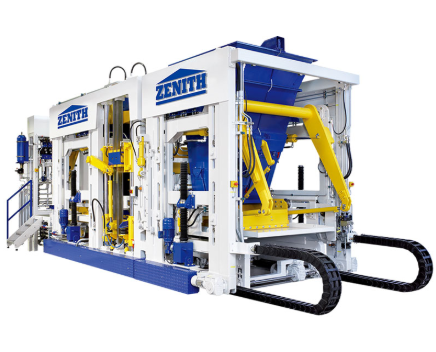
Table of Contents
1. Introduction
A block machine is a mechanical device used to produce concrete blocks, paving blocks, hollow blocks, and other masonry units. By automating the block-making process, these machines significantly improve productivity, reduce labor costs, and ensure consistent product quality. Industries such as construction, civil engineering, and landscaping rely heavily on these machines for large-scale production.
2. Types of Block Machines
Block machines can be categorized based on automation level, production capacity, and block type. Understanding these types helps select the appropriate machine for specific construction needs.
- Manual Block Machines: Operated by hand or minimal mechanization. Suitable for small-scale production or remote construction sites.
- Semi-Automatic Block Machines: Require partial human intervention but offer higher production rates than manual machines.
- Fully Automatic Block Machines: Entirely controlled by computer systems. Ideal for large-scale, high-volume production with minimal labor.
- Mobile Block Machines: Portable units that can be relocated between job sites, offering flexibility and on-site block production.
3. Key Components of a Block Machine
Understanding the essential parts of a block machine ensures proper operation and maintenance:
| Component | Function |
| Mixing System | Combines cement, sand, aggregates, and water into a uniform mixture. |
| Hydraulic System | Provides pressure for compacting and shaping blocks. |
| Mold | Shapes concrete into blocks or paving stones according to size and pattern. |
| Conveyor | Transports raw material and finished blocks efficiently within the machine. |
| Control Panel | Manages machine operations, automation, and production cycles. |
| Vibration System | Ensures compact and uniform blocks by reducing air gaps. |
4. Working Principle
The operation of a block machine generally follows these steps:
- Material Preparation: Cement, sand, gravel, and water are mixed in the correct proportion.
- Feeding: The prepared mixture is transferred to the machine’s mold.
- Compaction & Vibration: Hydraulic pressure and vibration compact the mixture into the mold, ensuring durability and uniformity.
- Demolding: The formed block is ejected from the mold carefully to maintain its shape.
- Curing: Blocks are stacked and cured to reach optimal strength.
5. Advantages of Using Block Machines
- High Efficiency: Large-scale production with minimal manual labor.
- Consistent Quality: Uniform blocks reduce material wastage and improve structural stability.
- Cost-Effective: Reduces labor and production costs over traditional block-making methods.
- Customizable: Machines can produce different block sizes, patterns, and textures.
- Eco-Friendly: Optimized material usage reduces environmental impact.
6. Maintenance Tips
Regular maintenance extends machine life and ensures consistent performance:
- Check hydraulic oil levels and replace periodically.
- Inspect molds for wear and damage, replace when necessary.
- Clean mixing and feeding systems to prevent material buildup.
- Lubricate moving parts to reduce friction and wear.
- Regularly calibrate the control system for accurate production cycles.
7. FAQ
Q1: What types of blocks can a block machine produce?
A: Block machines can produce hollow blocks, solid blocks, paving stones, interlocking blocks, and decorative blocks depending on the mold design.
Q2: How much space is required to install a block machine?
A: Installation space depends on the machine type. Semi-automatic machines need moderate space, while fully automatic machines require a larger area for conveyors, curing, and stacking zones.
Q3: Can I operate a block machine without technical experience?
A: Manual and semi-automatic machines are easier to operate, but proper training is recommended to ensure quality production and safe operation.
8. Conclusion
Block machines play a critical role in modern construction by providing efficient, high-quality, and cost-effective solutions for producing concrete blocks. Selecting the right type, maintaining the equipment, and understanding operational principles are essential to maximize productivity and durability. QGM offers a wide range of block machines designed to meet diverse construction requirements. Explore our complete selection and optimize your block production process.
Contact us today to find the perfect block machine solution for your construction projects.