

How Do Intelligent Capacitors Enhance Modern Electrical Systems?
2026-05-21
Summary
Intelligent capacitors are transforming the way electrical networks operate by improving energy efficiency, reducing operational costs, and enhancing grid reliability. This article explores the concept, advantages, applications, and troubleshooting of intelligent capacitors, while highlighting solutions provided by Geyue Electric.
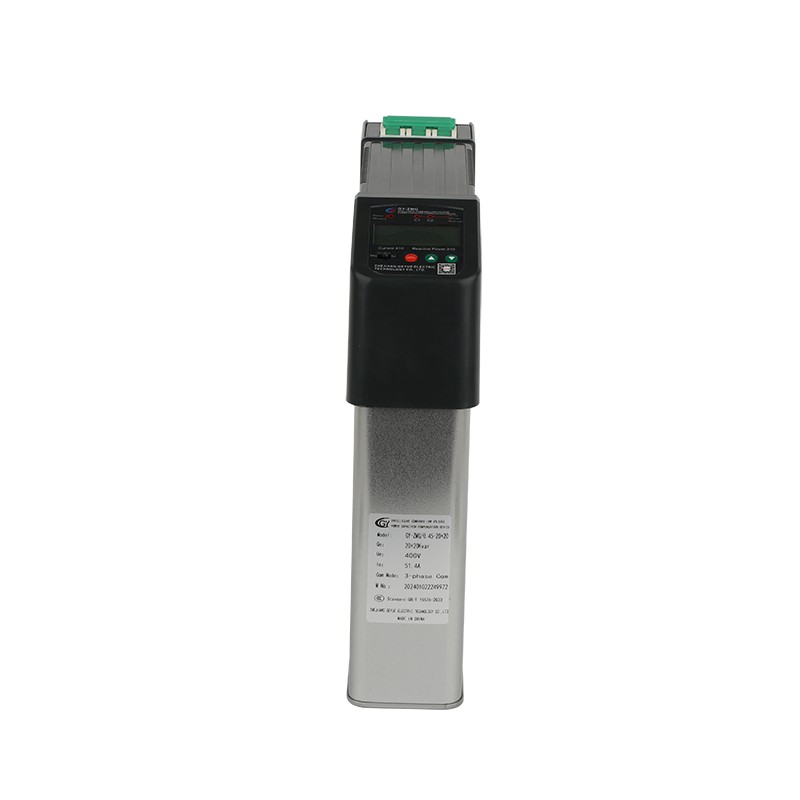
Table of Contents
- What Is an Intelligent Capacitor?
- How Does an Intelligent Capacitor Work?
- Key Benefits of Intelligent Capacitors
- Applications in Modern Electrical Systems
- Installation and Maintenance Guidelines
- Comparison: Intelligent vs. Traditional Capacitors
- Frequently Asked Questions
- Conclusion
What Is an Intelligent Capacitor?
An intelligent capacitor is an advanced electrical component designed to optimize reactive power compensation, voltage stabilization, and energy efficiency in electrical systems. Unlike traditional capacitors, intelligent capacitors incorporate monitoring and control systems that enable real-time adjustments to changing electrical loads.
They are commonly integrated with microcontrollers, sensors, and communication modules, which allows them to interact with energy management systems and provide precise compensation tailored to the network's needs.
How Does an Intelligent Capacitor Work?
Intelligent capacitors operate by continuously monitoring electrical parameters such as voltage, current, power factor, and harmonic distortion. Using this data, they adjust their capacitance to maintain optimal system performance. Key components include:
- Sensors: Detect real-time electrical conditions.
- Microcontroller: Processes sensor data and makes control decisions.
- Switching Units: Connect or disconnect capacitor banks as needed.
- Communication Module: Allows remote monitoring and integration with smart grid systems.
For example, if the system experiences a sudden load change, the intelligent capacitor automatically adjusts to maintain a near-unity power factor, preventing voltage drops and energy losses.
Key Benefits of Intelligent Capacitors
Implementing intelligent capacitors provides significant advantages for both industrial and commercial electrical networks:
- Improved Energy Efficiency: Reduces reactive power losses and electricity costs.
- Enhanced Grid Stability: Maintains voltage and frequency levels within safe limits.
- Reduced Equipment Stress: Minimizes overheating and prolongs the lifespan of transformers and motors.
- Remote Monitoring & Control: Enables predictive maintenance and fast response to system faults.
- Environmental Benefits: Lower energy consumption leads to reduced greenhouse gas emissions.
Applications in Modern Electrical Systems
Intelligent capacitors are versatile and can be applied across multiple sectors:
- Industrial Facilities: Improve power factor in factories with heavy motor loads.
- Commercial Buildings: Stabilize lighting and HVAC systems.
- Renewable Energy Systems: Enhance the efficiency of solar and wind power integration.
- Smart Grids: Enable automated reactive power management and fault detection.
Installation and Maintenance Guidelines
Proper installation and maintenance ensure that intelligent capacitors perform optimally over their lifecycle. Key guidelines include:
- Site Assessment: Evaluate load patterns, voltage levels, and existing capacitor banks.
- System Configuration: Program the microcontroller with target power factor and voltage parameters.
- Regular Monitoring: Use remote monitoring tools to track performance and detect anomalies.
- Preventive Maintenance: Inspect connections, switches, and sensors periodically.
Following these steps helps prevent downtime, reduces repair costs, and ensures maximum energy savings.
Comparison: Intelligent vs. Traditional Capacitors
| Feature | Traditional Capacitor | Intelligent Capacitor |
|---|---|---|
| Power Factor Compensation | Fixed or manual adjustment | Automatic real-time adjustment |
| Monitoring | None | Integrated sensors and microcontroller |
| Grid Integration | Limited | Compatible with smart grid systems |
| Maintenance | Manual inspection required | Remote monitoring and predictive alerts |
| Efficiency | Moderate | High, reduces losses significantly |
Frequently Asked Questions
Q1: Can intelligent capacitors be retrofitted into existing systems?
A1: Yes, many intelligent capacitors are designed for easy integration into existing electrical networks without major modifications.
Q2: What maintenance is required?
A2: Regular visual inspection, sensor calibration, and software updates are recommended to ensure optimal performance.
Q3: How do they improve energy savings?
A3: By automatically adjusting reactive power and maintaining near-unity power factor, intelligent capacitors reduce energy losses and prevent unnecessary electricity charges.
Q4: Are intelligent capacitors safe for sensitive equipment?
A4: Yes, they prevent voltage fluctuations and harmonics, protecting sensitive devices like computers, medical equipment, and industrial machinery.
Conclusion
Intelligent capacitors are a vital component for modern electrical systems, offering improved energy efficiency, grid stability, and operational cost savings. With their smart monitoring, automated control, and adaptability to varying loads, they represent a significant upgrade over traditional capacitor solutions.
Geyue Electric offers high-quality intelligent capacitors tailored for diverse applications, ensuring optimal system performance and reliability. For more information and personalized solutions, contact us today and discover how our products can transform your electrical network.