

How Do High Voltage Component Solutions Improve Safety and Reliability in Modern Power Systems?
2026-02-04
Article Abstract
High voltage component systems are critical to the safe and stable operation of modern power transmission, industrial equipment, and energy infrastructure. However, many buyers and engineers face persistent challenges such as insulation failure, thermal stress, inconsistent performance, and long-term maintenance risks. This article provides a comprehensive overview of how high voltage component solutions address these challenges through design optimization, material selection, and system integration. It also explains practical selection criteria, application scenarios, and common concerns to help decision-makers reduce risk, improve reliability, and achieve long-term operational stability.
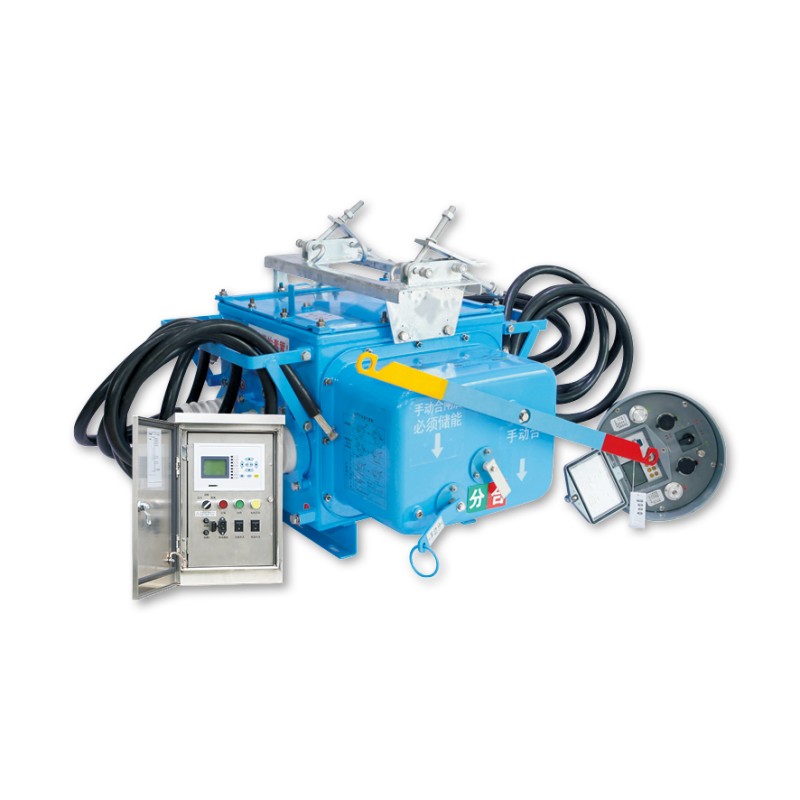
Table of Contents
- Content Outline
- What Is a High Voltage Component?
- Common Customer Pain Points
- Design Principles and Performance Factors
- Main Types of High Voltage Components
- Application Scenarios
- How to Select the Right High Voltage Component
- Key Technical Parameters Comparison
- Frequently Asked Questions
- Conclusion and Next Steps
Content Outline
- Overview of high voltage component systems and their role
- Key challenges faced by equipment manufacturers and operators
- Structural and material considerations that improve performance
- Major product categories and functional differences
- Selection guidance for long-term operational stability
- Answers to common technical and procurement questions
What Is a High Voltage Component?
A high voltage component refers to an electrical or electromechanical part designed to operate safely under high electric potential conditions, typically above several kilovolts. These components are engineered to manage electric fields, withstand insulation stress, and maintain performance under demanding environmental and operational conditions.
Commonly used in power transmission, industrial automation, renewable energy systems, and specialized equipment, high voltage components serve as the backbone of reliable energy control and distribution. Their performance directly affects system safety, uptime, and service life.
Common Customer Pain Points in High Voltage Applications
Despite technological advances, many users continue to experience recurring issues when deploying high voltage component systems. Understanding these pain points is essential for selecting the right solution.
- Insulation degradation: Poor material quality or improper design can lead to partial discharge and premature failure.
- Thermal accumulation: Inadequate heat dissipation increases aging speed and reduces operational stability.
- Environmental sensitivity: Humidity, dust, and chemical exposure often compromise performance.
- Maintenance complexity: Difficult installation and replacement raise long-term operating costs.
- Inconsistent quality: Variability in manufacturing processes leads to uneven reliability.
Design Principles and Performance Factors
A reliable high voltage component is the result of coordinated engineering across multiple dimensions. The following principles are central to long-term performance:
- Electric field control: Optimized geometry reduces field concentration and discharge risk.
- Advanced insulation systems: High-purity ceramics, polymers, or composite materials improve dielectric strength.
- Thermal management: Structural design that supports heat dissipation extends service life.
- Mechanical integrity: Resistance to vibration and mechanical stress ensures stable operation.
- Process consistency: Controlled manufacturing improves product uniformity and reliability.
Main Types of High Voltage Components
High voltage component solutions vary according to function and system requirements. The most common categories include:
- High voltage connectors and terminals
- Insulators and bushings
- Switching and protection components
- Energy storage and control modules
- Custom-integrated high voltage assemblies
Each category addresses specific operational needs, and improper matching often leads to efficiency loss or safety risks.
Typical Application Scenarios
High voltage component systems are widely deployed across multiple industries:
- Power generation and transmission infrastructure
- Industrial processing and automation equipment
- Renewable energy systems such as wind and solar
- Transportation electrification and charging systems
- Scientific research and testing facilities
In these environments, component stability and insulation reliability are essential to uninterrupted operation.
How to Select the Right High Voltage Component
Selecting an appropriate high voltage component requires balancing technical specifications with real-world operating conditions. Decision-makers should focus on:
- Rated voltage and current margins
- Environmental resistance requirements
- Expected service life and maintenance intervals
- Compliance with system integration constraints
- Supplier engineering capability and consistency
Manufacturers such as Jinhand focus on integrating design, materials, and process control to deliver stable high voltage component solutions for demanding applications.
Key Technical Parameters Comparison
| Parameter | Standard Requirement | Optimized Solution |
|---|---|---|
| Voltage Rating | Basic system threshold | Extended safety margin |
| Insulation Material | Conventional polymers | High-performance composites |
| Thermal Resistance | Moderate | Enhanced heat dissipation |
| Environmental Adaptability | Limited | High humidity and contamination resistance |
Frequently Asked Questions
Q1: What causes early failure in high voltage component systems?
Early failure is often caused by insulation defects, improper voltage margins, and inadequate thermal management rather than voltage level alone.
Q2: Are high voltage components customizable for specific equipment?
Yes. Many applications require customized geometry, insulation systems, or mounting solutions to match unique operational environments.
Q3: How does material choice affect long-term reliability?
Material purity and structural stability directly influence dielectric strength, aging speed, and resistance to environmental stress.
Conclusion and Next Steps
High voltage component solutions play a decisive role in ensuring electrical safety, operational continuity, and long-term cost efficiency. By addressing insulation integrity, thermal stability, and environmental resistance at the design stage, system risks can be significantly reduced. Jinhand continues to support global customers with engineered high voltage component solutions that meet demanding industrial and energy requirements.
If your project requires dependable high voltage component systems tailored to real-world operating conditions, contact us today to explore reliable solutions and technical support that align with your application goals.