

How Can a Swimming Pool Heat Pump Transform Your Pool Experience?
2026-06-04
Summary: Discover how a swimming pool heat pump can enhance your pool experience by providing efficient heating, energy savings, and year-round comfort. This guide will cover how it works, benefits, installation tips, and maintenance, helping you make an informed decision for your pool.
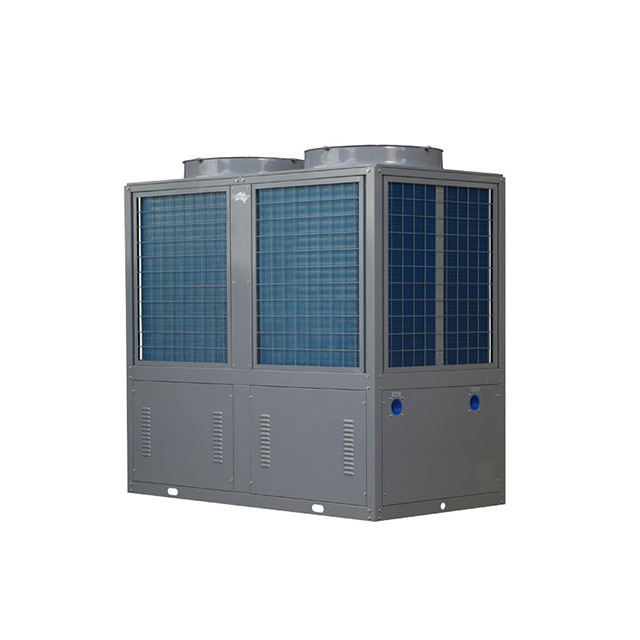
Table of Contents
- How It Works
- Benefits of a Swimming Pool Heat Pump
- Installation Tips
- Maintenance Guidelines
- Cost Analysis
- Frequently Asked Questions
How It Works
Swimming pool heat pumps are designed to efficiently transfer heat from the air to your pool water. Unlike traditional gas or electric heaters, heat pumps use electricity to capture ambient heat and amplify it to heat the water. This process makes them an energy-efficient solution for extending your swimming season.
Key components include:
- Evaporator Coil: Absorbs heat from the air.
- Compressor: Increases the temperature of the captured heat.
- Condenser: Transfers heat to the pool water.
- Expansion Valve: Regulates the flow of refrigerant.
Benefits of a Swimming Pool Heat Pump
Installing a heat pump brings numerous advantages for pool owners, including comfort, savings, and environmental benefits.
- Energy Efficiency: Uses up to 70% less electricity compared to conventional heaters.
- Extended Swimming Season: Keeps water warm even during cooler months.
- Durability: Long-lasting components designed to withstand weather conditions.
- Environmentally Friendly: Reduces carbon footprint due to efficient energy use.
| Feature | Benefit |
|---|---|
| Energy Efficiency | Lower electricity bills |
| Quiet Operation | Minimal noise disturbance |
| Weather Resistance | Reliable year-round performance |
Installation Tips
Proper installation ensures your heat pump works efficiently and lasts longer. Consider the following tips:
- Place the unit in a location with good airflow and minimal obstructions.
- Ensure the pool plumbing is compatible with the heat pump connections.
- Check local building codes and regulations before installation.
- Hire certified professionals for optimal setup and safety.
Maintenance Guidelines
Regular maintenance is essential for peak performance. Key tasks include:
- Cleaning filters and evaporator coils to remove debris.
- Checking refrigerant levels to maintain efficiency.
- Inspecting electrical connections for safety.
- Scheduling professional servicing annually.
Consistent maintenance can extend the lifespan of your heat pump and prevent costly repairs.
Cost Analysis
While the upfront investment for a swimming pool heat pump can be higher than a traditional heater, the long-term savings make it worthwhile. Consider this comparison:
| Type | Average Cost | Energy Use |
|---|---|---|
| Electric Heater | $1,500 - $3,000 | High |
| Gas Heater | $2,000 - $4,000 | Moderate |
| Swimming Pool Heat Pump | $3,000 - $6,000 | Low |
With lower operational costs and longer lifespan, the heat pump is a cost-effective solution in the long term.
Frequently Asked Questions
-
Q: Can a heat pump work in cold climates?
A: Modern heat pumps are designed to operate efficiently even in cooler temperatures, although performance may slightly decrease below 45°F (7°C). -
Q: How long does it take to heat a pool?
A: Depending on the pool size and outdoor temperature, most heat pumps raise water temperature by 1–2°F per hour. -
Q: Are heat pumps noisy?
A: Most units operate quietly. Placing the unit away from frequently used areas further minimizes sound disturbance. -
Q: What is the expected lifespan?
A: With proper maintenance, a swimming pool heat pump can last 10–15 years.
Investing in a swimming pool heat pump offers comfort, efficiency, and long-term savings. For high-quality products and professional installation, visit Blueway's product page and contact us today to elevate your swimming pool experience.