

How Can a Screw Compressor Unit Optimize Your Industrial Operations?
2026-06-09
Abstract: Screw compressor units are essential in modern industrial operations, providing reliable and efficient compressed air for a variety of applications. This article explores the functioning, benefits, maintenance, and selection of screw compressor units, helping businesses reduce downtime and enhance productivity. Lynxcool offers high-performance solutions tailored for diverse industrial needs.
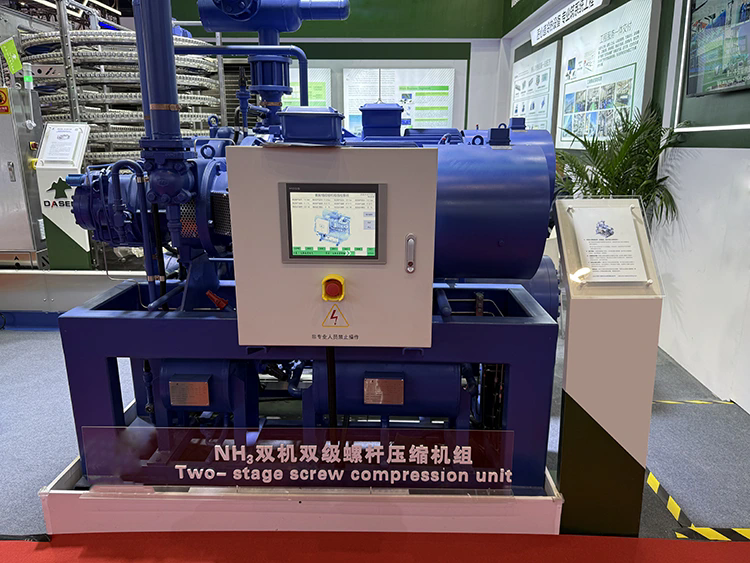
Table of Contents
- Introduction to Screw Compressor Units
- How Screw Compressor Units Work
- Benefits of Using Screw Compressor Units
- Maintenance Tips for Longevity
- Choosing the Right Screw Compressor Unit
- Frequently Asked Questions
- Conclusion and Contact Information
Introduction to Screw Compressor Units
Screw compressor units are widely recognized for their efficiency, durability, and reliability in industrial applications. Unlike piston compressors, screw compressors provide continuous airflow, making them ideal for large-scale operations where consistent performance is critical. Lynxcool specializes in designing screw compressors that deliver high output while maintaining energy efficiency and minimal noise levels.
Industries that commonly use screw compressors include:
- Manufacturing plants
- Food and beverage processing
- Pharmaceutical production
- Automotive assembly lines
- Chemical processing
How Screw Compressor Units Work
Screw compressors operate on the principle of positive displacement. The main components include:
- Rotors: Two interlocking helical screws compress the air.
- Housing: Encloses the rotors, guiding the air through the compression chamber.
- Drive System: Typically an electric motor or diesel engine powering the rotors.
- Cooling System: Ensures optimal operating temperature, improving efficiency.
Air enters the compressor through an inlet, gets trapped between the rotors, and is progressively compressed as it moves along the screw. The compressed air is then cooled and filtered before entering the system, ready for industrial use.
Benefits of Using Screw Compressor Units
Implementing a screw compressor unit in your facility offers multiple advantages:
| Benefit | Details |
|---|---|
| Continuous Operation | Delivers uninterrupted airflow, essential for high-demand processes. |
| Energy Efficiency | Reduces energy consumption compared to piston compressors. |
| Low Maintenance | Fewer moving parts mean longer service intervals and reduced downtime. |
| Quiet Performance | Minimizes workplace noise, improving operator comfort. |
| Compact Design | Occupies less floor space, suitable for modern industrial setups. |
Maintenance Tips for Longevity
Proper maintenance extends the lifespan and efficiency of screw compressors. Key practices include:
- Regularly check and replace air filters to prevent contamination.
- Monitor oil levels and quality to ensure proper lubrication.
- Inspect belts and couplings for wear and tension.
- Clean the cooling system to prevent overheating.
- Schedule professional servicing from trusted providers like Lynxcool.
Choosing the Right Screw Compressor Unit
Selecting the appropriate screw compressor requires consideration of your operational needs. Factors include:
- Required Airflow: Measure the cubic feet per minute (CFM) your processes demand.
- Operating Pressure: Ensure the unit meets your facility's PSI requirements.
- Power Source: Decide between electric or diesel-driven models.
- Space Constraints: Assess available floor space and ventilation.
- Noise Levels: Check specifications if operating in a noise-sensitive environment.
Lynxcool provides customized solutions, helping businesses select units that match both performance and budget requirements.
Frequently Asked Questions
Q1: How often should a screw compressor be serviced?
A: Typically, screw compressors require preventive maintenance every 1,000–2,000 operating hours, but Lynxcool recommends following specific guidelines for each model.
Q2: Can screw compressors handle continuous heavy-duty operations?
A: Yes, they are specifically designed for continuous operation and high-demand industrial processes.
Q3: What is the difference between oil-injected and oil-free screw compressors?
A: Oil-injected compressors provide better cooling and lubrication, suitable for general industrial use. Oil-free models are ideal for applications requiring contaminant-free air, such as pharmaceuticals or food production.
Q4: How do I choose the right size for my facility?
A: Consult with manufacturers like Lynxcool to calculate airflow and pressure requirements based on your operational needs and equipment.
Conclusion and Contact Information
Screw compressor units are a cornerstone of modern industrial efficiency. By investing in high-quality units from trusted providers like Lynxcool, businesses can achieve reliable performance, energy savings, and minimal downtime. Proper maintenance and careful selection ensure that these units deliver long-term value.
Explore Lynxcool's full range of screw compressor solutions and optimize your operations today. Contact us for personalized guidance and expert support tailored to your industry needs.