

How Brick Molds Improve Production Efficiency and Product Quality?
2026-03-17
Article Summary: Brick molds are essential tools in modern construction material manufacturing, directly influencing brick shape, durability, and production efficiency. This article explains how brick molds function, their types, materials, and selection criteria, while addressing common challenges such as wear resistance, dimensional accuracy, and cost control. A structured guide, comparison tables, and practical FAQs are included to help manufacturers make informed decisions.
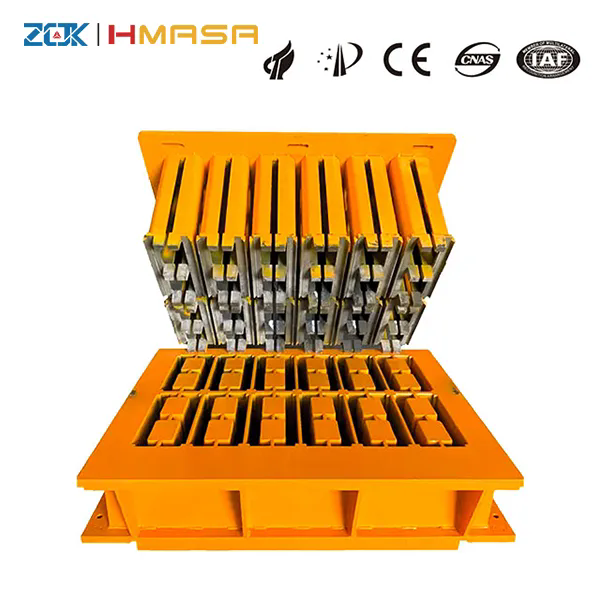
Table of Contents
- 1. Overview of Brick Molds
- 2. How Brick Molds Work
- 3. Types of Brick Molds
- 4. Materials and Manufacturing Process
- 5. How to Choose the Right Brick Mold
- 6. Key Benefits and Performance Advantages
- 7. Common Problems and Solutions
- 8. Frequently Asked Questions
- 9. Contact Us
1. Overview of Brick Molds
Brick molds are precision-engineered tools used in the manufacturing of bricks, blocks, and other construction materials. They define the shape, size, and surface texture of the final product while ensuring uniformity across large production volumes.
In modern automated production lines, brick molds are integrated into hydraulic or mechanical presses, allowing for high-speed and high-consistency output. Manufacturers rely heavily on mold quality to reduce defects, minimize downtime, and maintain production efficiency.
- Ensure consistent brick dimensions
- Improve surface finish quality
- Increase production speed
- Reduce raw material waste
2. How Brick Molds Work
Brick molds operate by shaping raw materials such as clay, concrete, or fly ash into predefined forms using pressure and vibration. The process typically follows these stages:
- Material feeding into the mold cavity
- Compression using hydraulic or mechanical force
- Vibration to eliminate air pockets
- Demolding and transfer to curing or firing stage
The precision of the mold cavity directly impacts the final product. Even slight deviations can lead to structural inconsistencies or increased rejection rates.
Advanced molds used by companies like ZCJK are designed with wear-resistant coatings and optimized geometries to ensure long-term stability and performance.
3. Types of Brick Molds
Different production requirements call for different types of brick molds. Below is a classification based on application and structure:
| Type | Description | Application |
| Solid Brick Molds | Used for standard solid bricks | Residential and commercial construction |
| Hollow Block Molds | Designed with cavities for lightweight blocks | High-rise buildings |
| Paver Molds | Specialized for interlocking or decorative shapes | Roads and landscaping |
| Custom Molds | Tailor-made designs for unique specifications | Special engineering projects |
Choosing the correct mold type ensures compatibility with production lines and end-use requirements.
4. Materials and Manufacturing Process
The durability and performance of brick molds largely depend on the materials used in their construction.
- High-grade alloy steel for strength and wear resistance
- Heat-treated surfaces to extend service life
- Precision machining for accurate dimensions
Modern manufacturing processes include:
- CNC machining for high precision
- Heat treatment to enhance hardness
- Surface coating technologies to reduce friction
These techniques ensure molds maintain structural integrity even under high-pressure production environments.
5. How to Choose the Right Brick Mold
Selecting the right brick mold is critical for optimizing production efficiency and minimizing operational costs. Consider the following factors:
| Factor | Importance | Recommendation |
| Material Quality | Determines lifespan | Choose hardened alloy steel |
| Precision | Affects product consistency | Opt for CNC-machined molds |
| Compatibility | Ensures smooth operation | Match mold with machine model |
| Maintenance | Reduces downtime | Select easy-to-clean designs |
Manufacturers often face issues such as rapid wear, deformation, or inconsistent output due to poor mold selection. Investing in high-quality molds can significantly reduce these risks.
6. Key Benefits and Performance Advantages
High-quality brick molds deliver measurable improvements in production and product quality:
- Higher Efficiency: Faster cycle times and reduced manual intervention
- Improved Durability: Longer service life with minimal maintenance
- Enhanced Product Quality: Uniform dimensions and smooth surfaces
- Cost Savings: Reduced waste and lower replacement frequency
ZCJK provides advanced brick mold solutions designed to meet industrial-scale production needs, ensuring consistent output and operational reliability.
7. Common Problems and Solutions
Despite their importance, brick molds can encounter several operational challenges:
- Wear and Tear: Use heat-treated and coated molds
- Deformation: Ensure proper pressure distribution
- Sticking Issues: Apply anti-adhesion coatings
- Dimensional Inaccuracy: Regular calibration and inspection
Routine maintenance and proper handling can significantly extend mold lifespan and maintain production quality.
8. Frequently Asked Questions
Q1: How long does a brick mold typically last?
A: The lifespan depends on material quality and usage conditions, but high-quality molds can last for hundreds of thousands of cycles.
Q2: Can brick molds be customized?
A: Yes, custom molds are widely available to meet specific size, shape, and production requirements.
Q3: What is the most important factor when selecting a brick mold?
A: Material quality and precision are the most critical factors, as they directly impact durability and product consistency.
Q4: How often should brick molds be maintained?
A: Regular inspection and cleaning after each production cycle are recommended to ensure optimal performance.
9. Contact Us
If you are looking to improve your brick production efficiency and reduce operational costs, choosing the right mold is a crucial step. ZCJK offers a wide range of high-performance brick molds designed for durability, precision, and long-term reliability.
Whether you need standard molds or customized solutions, our technical team is ready to assist with expert recommendations tailored to your production requirements.
Contact us today to explore advanced brick mold solutions and take your manufacturing performance to the next level.