

How Air Cooled Chiller Improves Industrial Cooling Efficiency?
2026-03-17
Abstract: Air cooled chillers are widely used across industrial and commercial sectors for reliable temperature control. This article explains how air cooled chillers function, their structural components, performance advantages, and how to select the right system based on operational needs. It also addresses common user concerns such as energy efficiency, maintenance, and installation flexibility, helping decision-makers optimize cooling solutions.
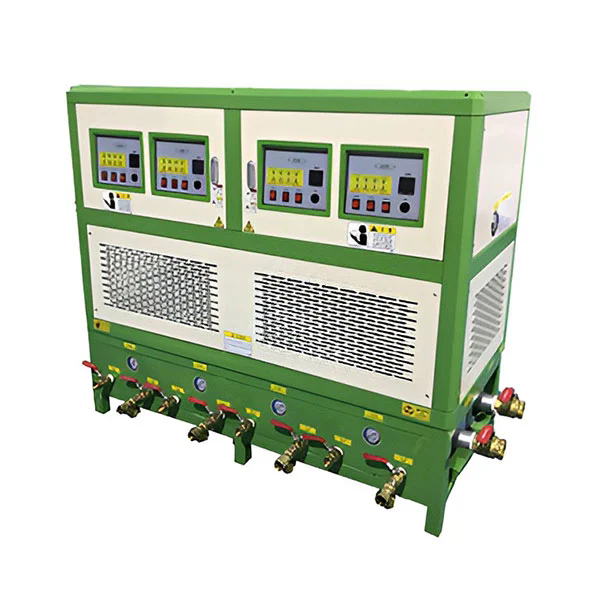
Table of Contents
- 1. Overview of Air Cooled Chillers
- 2. How Air Cooled Chiller Works
- 3. Key Components and Functions
- 4. Advantages for Industrial Applications
- 5. How to Choose the Right Model
- 6. Technical Parameters Table
- 7. Typical Application Scenarios
- 8. Frequently Asked Questions
1. Overview of Air Cooled Chillers
An air cooled chiller is a refrigeration system that removes heat from liquids and transfers it to the surrounding air. Unlike water-cooled systems, it does not require a cooling tower, making it more compact and easier to install.
These systems are widely used in:
- Manufacturing facilities
- HVAC systems
- Plastic processing industries
- Food and beverage production
- Data centers
For businesses seeking simplified installation and lower infrastructure investment, air cooled chillers provide a practical and efficient solution.
2. How Air Cooled Chiller Works
The operation of an air cooled chiller follows a standard vapor-compression refrigeration cycle. The process involves four main stages:
- Evaporation: The refrigerant absorbs heat from the process water.
- Compression: The compressor increases the refrigerant pressure and temperature.
- Condensation: Heat is released into the air through condenser coils.
- Expansion: The refrigerant pressure drops, preparing it for the next cycle.
Air cooled chillers use powerful fans to dissipate heat directly into the atmosphere, eliminating the need for water circulation systems.
3. Key Components and Functions
Understanding the main components helps users evaluate system performance and maintenance requirements.
- Compressor: The core component that drives refrigerant circulation.
- Condenser Coil: Releases heat to ambient air.
- Evaporator: Absorbs heat from the chilled water loop.
- Expansion Valve: Regulates refrigerant flow.
- Fans: Enhance heat dissipation efficiency.
A well-designed system from AQWK integrates these components to ensure stable operation and long service life.
4. Advantages for Industrial Applications
Air cooled chillers offer several advantages that directly address common operational challenges:
- No Cooling Tower Required: Reduces installation complexity and cost.
- Water Saving: Ideal for regions with limited water resources.
- Flexible Installation: Suitable for rooftops or outdoor spaces.
- Lower Maintenance: Fewer components compared to water-cooled systems.
- Energy Efficiency: Modern designs optimize power consumption.
These benefits make air cooled chillers particularly attractive for small to medium-sized industrial setups.
5. How to Choose the Right Model
Selecting the correct air cooled chiller requires careful evaluation of operational parameters. Key considerations include:
- Cooling Capacity: Match system output with heat load requirements.
- Ambient Temperature: Ensure performance stability under local conditions.
- Energy Consumption: Evaluate efficiency ratings.
- Noise Level: Important for commercial or urban installations.
- Control System: Look for intelligent monitoring features.
Working with experienced manufacturers like AQWK ensures proper system sizing and customization.
6. Technical Parameters Table
| Parameter | Specification Range |
| Cooling Capacity | 5 kW – 500 kW |
| Power Supply | 220V / 380V / 460V |
| Refrigerant Type | R22 / R134a / R410A |
| Temperature Control | 5°C – 35°C |
| Compressor Type | Scroll / Screw |
| Noise Level | 50 – 75 dB |
This table provides a general overview. Actual configurations may vary depending on project requirements.
7. Typical Application Scenarios
Air cooled chillers are highly versatile and adaptable across industries:
- Plastic Industry: Cooling molds and injection machines
- Food Processing: Maintaining product freshness
- Pharmaceuticals: Precise temperature control
- HVAC Systems: Building climate regulation
- Laser Equipment: Stabilizing operational temperature
The flexibility of these systems allows them to meet both industrial and commercial cooling demands efficiently.
8. Frequently Asked Questions
Q1: What is the main difference between air cooled and water cooled chillers?
A: Air cooled chillers use ambient air for heat dissipation, while water cooled systems rely on cooling towers and water circulation.
Q2: Are air cooled chillers energy efficient?
A: Yes, modern units are designed with advanced compressors and control systems that significantly improve energy efficiency.
Q3: How often does maintenance need to be performed?
A: Routine inspection every 3–6 months is recommended, including cleaning condenser coils and checking refrigerant levels.
Q4: Can air cooled chillers operate in high-temperature environments?
A: Yes, but selecting a model designed for high ambient temperatures is essential for optimal performance.
Conclusion
Air cooled chillers provide a reliable, cost-effective, and flexible solution for modern cooling requirements. Their simplified design, combined with efficient performance, makes them a preferred choice for many industries. By understanding system functionality and selecting the right configuration, businesses can significantly improve operational efficiency and reduce long-term costs.
AQWK specializes in delivering high-performance air cooled chillers tailored to diverse industrial applications. For customized solutions, technical consultation, or detailed product information, contact us today and discover how AQWK can support your cooling system optimization.