

Do Expandable Container Homes Offer Better Value Than Traditional Housing
2026-03-19
The housing market is evolving, and many prospective homeowners are now questioning whether expandable container homes deliver superior value compared to conventional construction. As housing costs continue rising and sustainability becomes paramount, the Ante House brand has emerged as a leader in demonstrating how prefabricated solutions can challenge traditional real estate. This analysis examines the financial, practical, and lifestyle factors that determine whether these innovative dwellings truly offer better value.
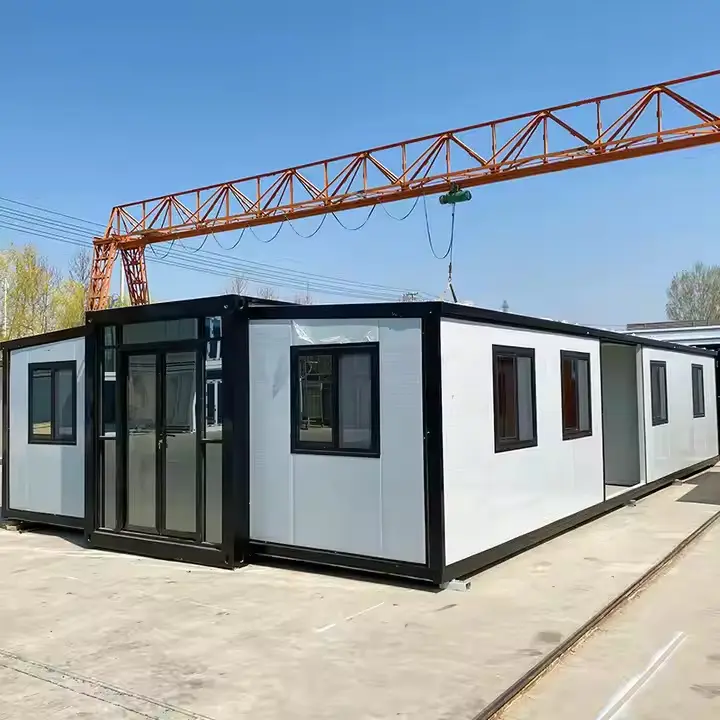
Cost Comparison: Initial Investment and Long-Term Savings
When evaluating value, the most immediate consideration is the financial outlay required. Expandable container homes present a fundamentally different economic model than traditional site-built houses.
| Factor | Traditional Housing | Expandable Container Home (Ante House) |
|---|---|---|
| Average Cost per Square Foot | $150 - $400 | $80 - $180 |
| Construction Timeline | 6-18 months | 2-8 weeks |
| Foundation Requirements | Extensive excavation | Minimal site preparation |
| Material Costs | Subject to market fluctuations | Bulk prefabrication pricing |
| Labor Expenses | Multiple trade crews | Factory-assembled efficiency |
The Ante House manufacturing process eliminates many cost variables that plague traditional construction. Weather delays, material theft, and subcontractor scheduling conflicts become irrelevant when your home arrives as a Ready-Made Expandable House ready for connection to utilities.
Quality and Durability Considerations
Skeptics often question whether prefabricated structures can match the longevity of traditional homes. Modern engineering tells a different story. Expandable container homes from reputable manufacturers utilize:
-
Corrosion-resistant steel framing
-
Industrial-grade insulation systems
-
Precision-engineered joining mechanisms
-
Factory-inspected electrical and plumbing rough-ins
The Ante House line undergoes rigorous quality control that would be prohibitively expensive in on-site construction. Each Ready-Made Expandable House must pass structural tests before leaving the facility, ensuring that the delivered product meets or exceeds local building codes.
Environmental Impact and Energy Efficiency
Value extends beyond purchase price into operational costs and environmental responsibility. Expandable container homes typically demonstrate superior energy performance through:
-
Tightly sealed building envelopes
-
Consistent insulation installation without gaps
-
Optimized window placement during design phase
-
Reduced site disturbance during installation
Traditional construction generates approximately 3-5 tons of waste per 2,000 square feet. In contrast, a factory-built Ante House produces minimal on-site waste while recycling manufacturing scraps. This efficiency translates directly to lower embodied energy and reduced carbon footprint.
Flexibility and Future-Proofing
One often overlooked value metric is adaptability. Traditional homes are fixed assets requiring major renovation to change configuration. The Ready-Made Expandable House concept allows for:
-
Modular expansion as family needs grow
-
Relocation to different properties if necessary
-
Rapid reconfiguration of interior spaces
-
Integration of additional units for multi-generational living
An Ante House investment provides options that traditional stick-built homes simply cannot offer. The ability to start with a compact dwelling and expand incrementally makes homeownership accessible to those priced out of conventional markets.
FAQ: Ready-Made Expandable House Common Questions
How long does a Ready-Made Expandable House actually last compared to a traditional home?
A properly maintained Ready-Made Expandable House from a manufacturer like Ante House can easily exceed 50 years of service life. The steel frame construction resists many issues that plague wood-frame homes, including termite damage, dry rot, and warping. Factory finishes typically outperform site-applied materials because they cure under controlled conditions. While traditional homes may require major structural repairs after several decades, the modular nature of expandable homes allows for component replacement without demolishing the entire structure. Many early container homes from the 1990s remain fully functional today, demonstrating durability that rivals or exceeds conventional construction methods.
Can a Ready-Made Expandable House be financed like a traditional home?
Yes, financing options for Ready-Made Expandable House purchases have expanded dramatically as lenders recognize their value and permanence. Ante House works with multiple financial institutions offering specialized loans for prefabricated dwellings. The key difference from traditional mortgages involves the disbursement schedule, as funds release upon production milestones rather than construction phases. Many buyers successfully use conventional mortgages once the home is permanently affixed to a foundation. The lower entry price of expandable homes often means smaller loan amounts and reduced interest costs over the loan term. Additionally, some government programs now include prefabricated homes in affordable housing initiatives, providing favorable lending terms.
What permits are required for installing a Ready-Made Expandable House
Permitting for a Ready-Made Expandable House follows similar processes to traditional construction but often proves simpler because structural engineering is already certified. The Ante House team provides complete documentation packages including engineered drawings, material specifications, and load calculations that satisfy most building departments. Local permits typically cover site preparation, foundation work, and utility connections rather than the dwelling itself. Many jurisdictions now recognize prefabricated construction under streamlined approval processes, recognizing that factory-built homes undergo more stringent inspections than site-built alternatives. The key is verifying local zoning requirements regarding minimum dwelling sizes and property setbacks before purchasing.
Making the Value Decision
The evidence suggests that expandable container homes offer compelling value advantages over traditional housing for many buyers. The combination of lower entry costs, reduced operational expenses, and inherent flexibility creates opportunities that conventional construction cannot match. Ante House continues refining the Ready-Made Expandable House concept, making quality housing accessible to more families while maintaining the durability and comfort expected of permanent residences.
Contact Us
Ready to explore how an Ante House can transform your housing future? Our team provides personalized consultations to match your needs with the perfect Ready-Made Expandable House configuration. Visit our website to view available models, request pricing, or schedule a factory tour. Take the first step toward intelligent, flexible homeownership today.